
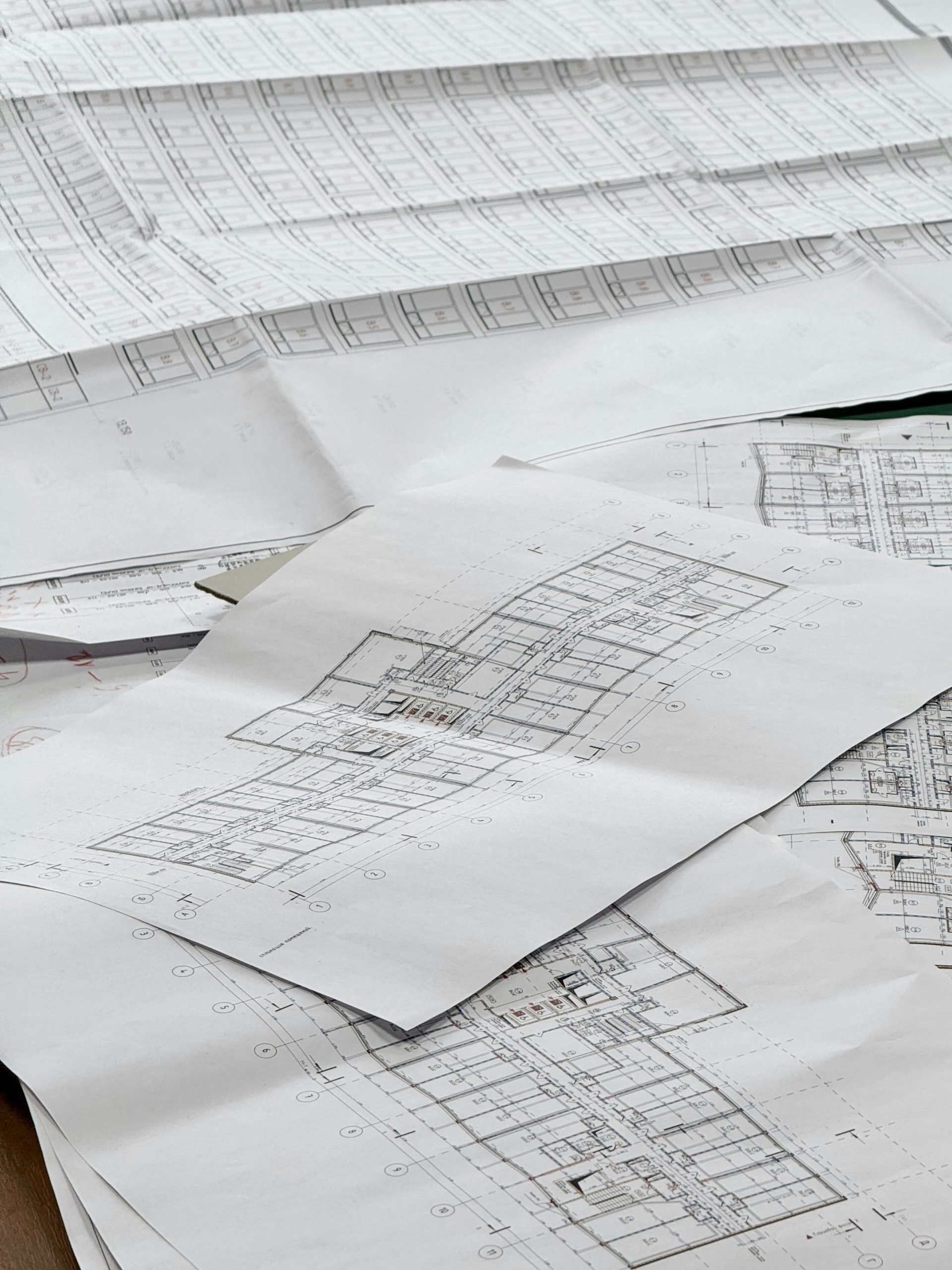
Is Construction Management a Good Career in Kenya?
Considering joining the built environment profession leaves prospective students with the question ”Why study Construction Management and is the course a good choice? “ Indeed, Construction Management is an appropriate as it combines knowledge of construction with project planning, budgeting, leadership, technology, communication, site management and business. Students therefore develop a broad understanding of how a construction project moves from an idea and drawings to an actual completed structure.
This makes the course suitable for students who want more than technical construction knowledge. It is also suitable for learners who want to understand how people, materials, money, equipment and time are coordinated to successfully complete a project.
At Ikigai College, we encourage students interested in the built environment to consider Construction Management because of the broad range of practical, technical and management skills that can be developed through the course.
Why Study Construction management: What Makes it a Good Course
A good college course should prepare a student to solve real-life problems. Construction Management does exactly that. Notably, construction projects are complex. Even a relatively small building project requires materials, workers, equipment, money, drawings, schedules, suppliers and different professionals. Therefore, someone needs to understand how all these elements work together, making Construction Management valuable. Students do not simply learn about buildings; they learn how construction projects are planned, organized, coordinated, monitored and completed.

1. Construction Management Combines Technical and Management Skills
One of the biggest advantages of studying Construction Management is the combination of technical and management knowledge. Some courses concentrate mainly on technical skills, while others concentrate heavily on business and administration. Construction Management brings these areas together.
A student may learn about construction methods, building materials and construction technology while also developing knowledge in project planning, costing, scheduling, supervision and resource management. This is important because construction projects require both technical understanding and effective management.
For example, imagine that a contractor has been given six months to complete a building. Having skilled workers and good materials alone does not guarantee that the project will be completed successfully. Someone must determine when different activities should begin, when materials should arrive, how workers will be allocated, how expenses will be monitored and what should happen when unexpected problems occur. Therefore, Construction Management helps students understand this bigger picture.
2. Employment Opportunities and why Study Construction Management
One of the strongest reasons students should consider studying Construction Management is the wide range of employment opportunities available within Kenya’s construction and built environment sector. Construction is not limited to putting up residential houses. It includes apartments, commercial buildings, shopping centres, schools, hospitals, hotels, industrial facilities, roads and many other infrastructure and property development projects. Each of these projects requires people who can help plan, coordinate, supervise and manage construction activities.
Texas A&M University states that Construction Management graduates opportunities to work in different areas of the industry. Depending on their qualifications, skills and experience, graduates may find opportunities with construction companies, building contractors, property developers, real estate companies, project management firms, consultancy companies, government institutions and organizations undertaking construction projects.
Construction Management also gives students flexibility because they are not trained for only one specific task. The course develops knowledge in areas such as project planning, construction technology, budgeting, estimating, site supervision, scheduling, quality management and resource coordination. This broad range of skills can allow graduates to pursue different career paths as they gain experience.
Entry-level graduates may begin in positions such as site assistants, project assistants, construction coordinators or site supervisors and gradually take on greater responsibilities as they gain practical experience. With additional qualifications and industry experience, there may be opportunities to progress into senior site management, project coordination and construction management positions.
Another important advantage is that construction projects are found throughout Kenya. Development is not restricted to Nairobi alone. Residential and commercial construction, renovations and infrastructure projects take place in different counties, creating opportunities for construction professionals in various parts of the country.
Students can therefore view Construction Management as a course that prepares them for a broad industry and not a single job. Explore our guide on where you can work after studying Construction Management in Kenya to understand the different career paths available.
3. Construction Management Can Offer Good Salary and Income Potential
Another reason answering why study Construction Management is that it creates a potential for good earnings as professionals develop their skills and experience. Construction projects involve significant financial investment, and companies need competent people who can help control costs, coordinate teams, monitor schedules and ensure that projects are completed effectively. Professionals who can successfully handle these responsibilities can become valuable members of construction and project teams.
However, students should understand that there is no single salary that applies to every construction manager in Kenya. Earnings can vary considerably depending on a person’s qualification, experience, employer, position, project size, location and level of responsibility.This is actually one of the advantages of the profession: there is room for financial growth. A graduate may begin in an entry-level construction or site coordination position and increase their earning potential as they gain practical experience, develop specialized skills and take responsibility for larger projects.
Experienced professionals who can manage budgets, workers, subcontractors, materials, schedules and client expectations may qualify for more senior and better-paying positions. Additional professional qualifications, knowledge of construction software and strong project management abilities can further strengthen a graduate’s career prospects.
For a more detailed discussion of earnings at different career levels, read our article on Construction Managers Salary in Kenya.
4. You Learn How to Manage Real Construction Projects
Students learn that construction involves much more than laying foundations, building walls and installing roofs. Every successful construction project has to go through different stages. These may include planning, estimating costs, procurement, scheduling, construction, monitoring, quality control and eventually project completion. A Construction Management student learns how these stages connect.
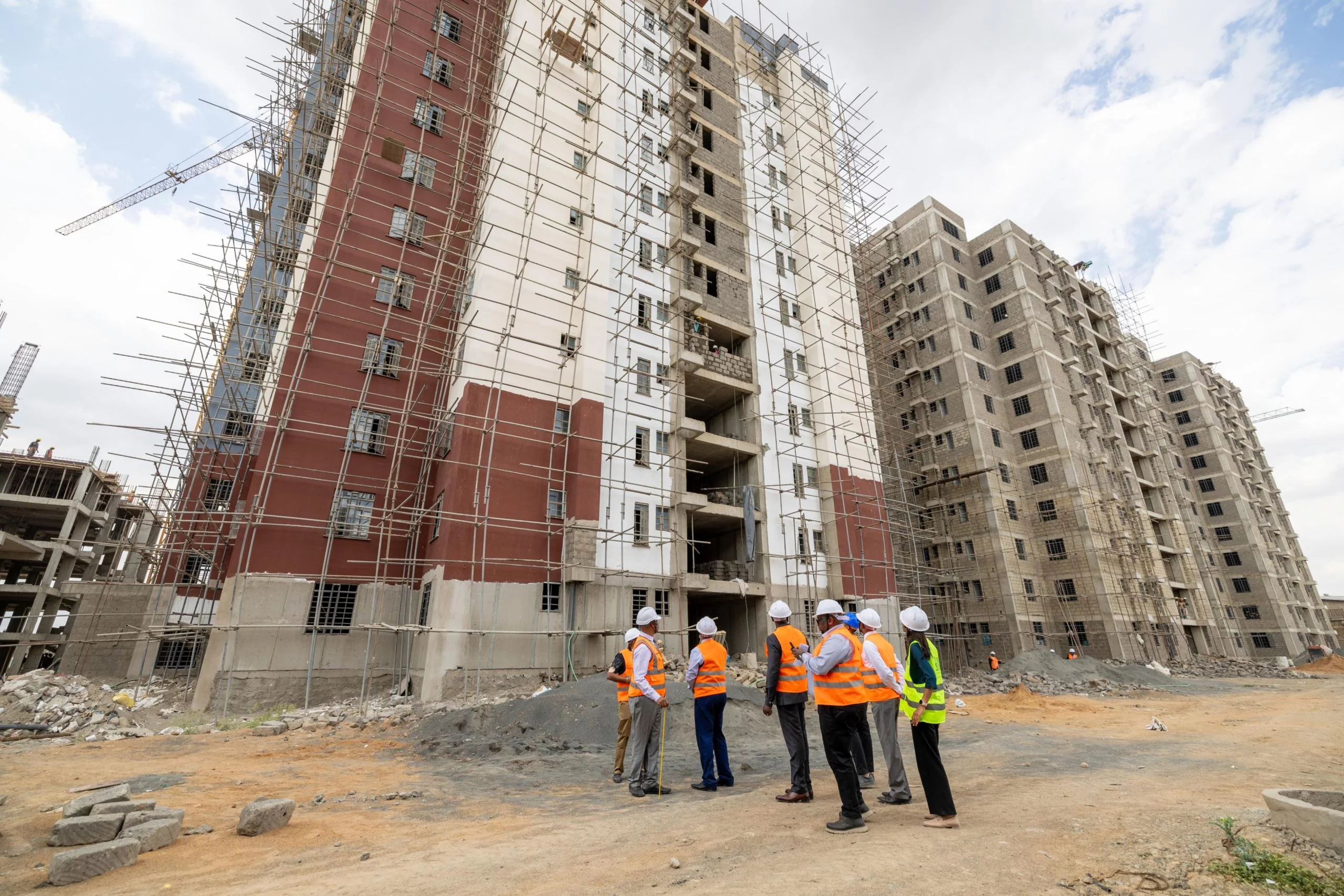
This knowledge can be useful whether someone eventually works for a contractor, property developer, construction company, consultancy or establishes a construction-related business.
Students interested in understanding the field further can read our Construction Management in Kenya Career Guide.
5. The Students Develop Strong Project Planning Skills
Planning is one of the most important parts of construction. Poor planning can result in delays, unnecessary expenses, shortages of materials and confusion on a construction site. Construction Management students learn how projects can be divided into activities and how those activities can be organized into a workable schedule.
For example, windows cannot normally be installed before the necessary structural and walling work is completed. Painting cannot be properly scheduled when major construction activities that could damage finished surfaces are still taking place. A construction manager therefore needs to understand the correct sequence of activities and coordinate them appropriately.
Students who develop strong planning abilities can use those skills beyond construction as well. Planning, organization and time management are valuable in many businesses and professional environments.
6. Students Learn About Construction Costs and Budgeting
Construction projects involve money, and managing that money carefully is essential. This is another major reason why study Construction Management. Students gain an understanding of construction costs, estimating, budgeting and cost control.
Suppose a project has a limited budget. Materials need to be purchased, workers have to be paid, equipment may need to be hired and subcontractors may need to be engaged. If these costs are not properly monitored, the project can experience financial difficulties before completion.
Construction Management helps students understand why financial planning matters and how costs relate to the overall performance of a project. This knowledge can also be extremely useful for students who eventually want to become contractors or construction entrepreneurs.
7. Construction Management Develops Problem-Solving Skills
Construction sites do not always operate exactly according to plan. Notably, materials can arrive late, adverse weather can interrupt work, equipment can develop problems, costs can change over time, a mistake may be discovered during construction, different teams may also need to work within the same area at different times and so on. Construction professionals therefore need to be problem-solvers.
Studying Construction Management teaches students to look at challenges, consider their impact on a project and identify possible solutions. Instead of simply asking, “What went wrong?”, a good construction manager also asks, “How do we solve this problem while protecting the project’s cost, time and quality?”
8. You Develop Leadership and People Management Skills
Construction is a team activity. A single project can involve architects, engineers, quantity surveyors, contractors, subcontractors, technicians, suppliers, construction workers and clients. Someone working in Construction Management therefore needs to know how to communicate with different people.
This makes the course valuable for students interested in becoming leaders. Students can develop skills in communication, teamwork, organization, decision-making and conflict resolution. These abilities become increasingly important as a person progresses into positions with greater responsibility.
Good construction managers do not simply tell people what to do. They need to understand the project, communicate expectations clearly, monitor progress and help different teams work towards the same objective.
9. Construction Management Can Prepare Students for Entrepreneurship
One of the strongest reasons for studying Construction Management is that the knowledge is useful not only when looking for employment but also when thinking about business . Some of them may eventually want to establish construction companies, renovation businesses, project management services or other enterprises within the built environment. Running a construction business requires more than knowing how to physically construct a building.
An entrepreneur must understand questions such as:
- How much will the project cost?
- How many workers are required?
- What materials are needed?
- When should materials be ordered?
- How long should the project take?
- How will subcontractors be coordinated?
- How will quality be monitored?
- How will unexpected costs be controlled?
- How will the client be updated?
These are all management questions. Construction Management therefore gives learners knowledge that can become valuable when they gain experience and eventually decide to pursue entrepreneurship. Learn More about Entrepreneurship and why study construction management
10. The Skills Are Useful in Different Areas of the Built Environment
The built environment is not limited to one type of building/construction hence a reason why study construction management. The principles of planning, budgeting, supervision and project coordination can be applied to residential developments, commercial buildings, offices, schools, hotels, renovations and many other construction projects. This gives students an opportunity to discover which area of construction interests them most as they develop their careers. The skills can also complement related areas such as property development, facilities management, project management and real estate development.
11. Trainees in built Environment Can See the Results of Their Work
Construction can be rewarding because the results are tangible.
A project may begin as an idea, followed by drawings, budgets and schedules. Over time, foundations are constructed, walls rise, services are installed and finishes are completed until there is an actual usable building. Professionals managing such projects can see the physical outcome of the planning and coordination that went into the project.
Construction Management course is appropriate for students who enjoy practical environments and want a career where projects produce visible results.

12. Construction Management Teaches Responsibility
Construction projects involve valuable resources. Materials cost money, labor costs money and delays can also create additional expenses. Construction managers therefore carry significant responsibility.
During training, learners begin to understand the importance of making informed decisions, keeping accurate records, monitoring activities and communicating problems before they become bigger. Students also learn that quality and safety should never simply be ignored to make a project move faster. This sense of responsibility can help learners become more disciplined professionals.
13. Construction Management Introduces them to Modern Technology
Indeed, modern construction is becoming increasingly digital. Construction professionals may use computers and software for drawings, budgeting, scheduling, reporting, project coordination and information management. Trainees who combine construction knowledge with digital skills can prepare themselves for an industry where technology continues to influence how projects are designed, planned and managed.
For this reason, they should not think of Construction Management as an old-fashioned course concerned only with physical site supervision. Modern construction management increasingly involves data, software, digital drawings and project-management technologies.
14. The Course Builds Transferable Skills
Not everything learned in Construction Management applies only to construction. Learners develop several skills that can be useful in many professional environments, according to Texas A&M University. These fields include:
- Leadership
- Project planning
- Communication
- Time management
- Teamwork
- Budgeting
- Problem-solving
- Decision-making
- Report writing
- Risk management
- Resource management
- Computer skills
This is important because careers can change over time. A person may begin in site supervision, progress into project coordination and later move into management, property development, consulting or entrepreneurship.
15. It Provides a Foundation for Career Growth
Learners should view Construction Management qualification as the beginning of professional development. Notably, graduates can continue developing through workplace experience, additional qualifications, professional training and specialized skills after college.
A student might initially assist with site activities and project administration. As their knowledge and experience grow, they may become capable of handling larger responsibilities. This creates a career path in which learners can continue learning and improving rather than remaining at the same professional level.
16. It Is Suitable for Students Who Want Both Office and Site Skills
Some Learners do not want a career that keeps them behind a desk every day. At the same time, they may not want a career based entirely on manual construction work.
Construction Management provides an interesting combination.
A construction professional may spend part of their time reviewing plans, schedules, budgets, reports and documents and another part visiting or working on construction sites.
This combination can make the field attractive to those who enjoy both planning and practical environments.
Who Should Enroll for Construction Management?
Construction Management is particularly worth considering if you are a student who enjoys planning, buildings, teamwork and problem-solving.
You may be a good candidate for the course if you:
- Are interested in how buildings are constructed.
- Enjoy organizing activities and people.
- Want to develop leadership abilities.
- Like solving practical problems.
- Are interested in managing projects.
- Want to learn about construction costs and budgeting.
- Enjoy both classroom learning and practical activities.
- Would like to work in the built environment.
- Want skills that could eventually support entrepreneurship.
You do not need to enter college already knowing how to manage a construction project. Training is intended to help you progressively develop the required knowledge and skills.
Why Study Construction Management at Ikigai College?
Where you study is also important. Construction Management should not be treated as a purely theoretical subject because students need to understand how concepts relate to actual construction activities.
At Ikigai College, we focus on practical and career-oriented training within the built environment.
Our goal is to help students understand construction concepts while developing skills they can continue building upon as they enter the industry.
Studying Construction Management alongside other built-environment and design programs can also help learners appreciate how different professionals contribute to a project.
For example, a construction manager may need to understand information prepared by designers and communicate with other professionals involved in delivering the project. Learning to appreciate these relationships is an important part of preparing for real construction environments.
Students can learn more by visiting our Construction Management course page.

So, Is Construction Management a Good Course in Kenya?
In Conclusion, Construction Management is a very good course for students in Kenya, particularly those who are genuinely interested in construction, project planning, leadership and the built environment. Its greatest advantage is not simply that it can lead to construction-related jobs. Its real value is the combination of skills learners develops.
A student learns about construction while also learning about management. They learn about buildings while developing an understanding of budgets. They learn about project schedules while developing time-management abilities. They learn about construction sites while improving their communication, teamwork and leadership skills. That combination can create a strong foundation for professional development.
Construction Management can also be attractive to those who eventually want to become entrepreneurs because understanding how to plan, cost and coordinate projects is valuable when running a construction-related business.
However, prospective learners should approach the course with the right expectations. Completing a certificate or diploma does not immediately make someone an experienced construction manager. Professional growth requires education, practical experience, continuous learning and increasing levels of responsibility.
Build Your Future with Construction Management
If you are completing KCSE or looking for a practical course that combines construction knowledge with business and management skills, Construction Management is a major consideration. It can help you develop skills in planning, budgeting, site coordination, leadership, construction technology, problem-solving and project management. More importantly, these skills can continue becoming more valuable as you gain practical experience.
At Ikigai College, we believe students should learn skills that connect education with real career and business opportunities. Our Construction Management training is designed to help learners build a strong foundation in the technical and managerial aspects of construction.
If you are ready to begin developing the skills needed to plan, coordinate and manage construction projects, explore our Construction Management Course.
You can also read Where Can I Work After Studying Construction Management in Kenya? to understand the different career directions you can consider after completing your studies.
Apply for Construction Management at Ikigai College
Frequently Asked Questions
Why is Construction Management a good course?
Construction Management is a good course because it combines technical construction knowledge with project planning, budgeting, leadership, communication, problem-solving and management. Students therefore develop skills that can be useful in employment, professional development and entrepreneurship.
Is Construction Management only about working on construction sites?
No. Although site activities are an important part of the profession, Construction Management also involves planning, budgeting, scheduling, documentation, procurement, reporting, communication and project coordination.
Is Construction Management suitable for someone who wants to start a business?
Yes. The course can provide useful knowledge for future entrepreneurs because students learn about project planning, costing, resources, construction processes and management. Starting and operating a construction business may, however, involve additional experience, registrations and regulatory requirements.
What skills will I gain from studying Construction Management?
Students can develop skills in construction technology, project planning, site supervision, budgeting, scheduling, communication, leadership, problem-solving, quality management and resource coordination.
Where can I study Construction Management in Nairobi?
Students interested in practical, career-focused Construction Management training can explore the Construction Management program at Ikigai College in Nairobi and confirm the current admissions requirements, intake dates and available study options.

No Responses