
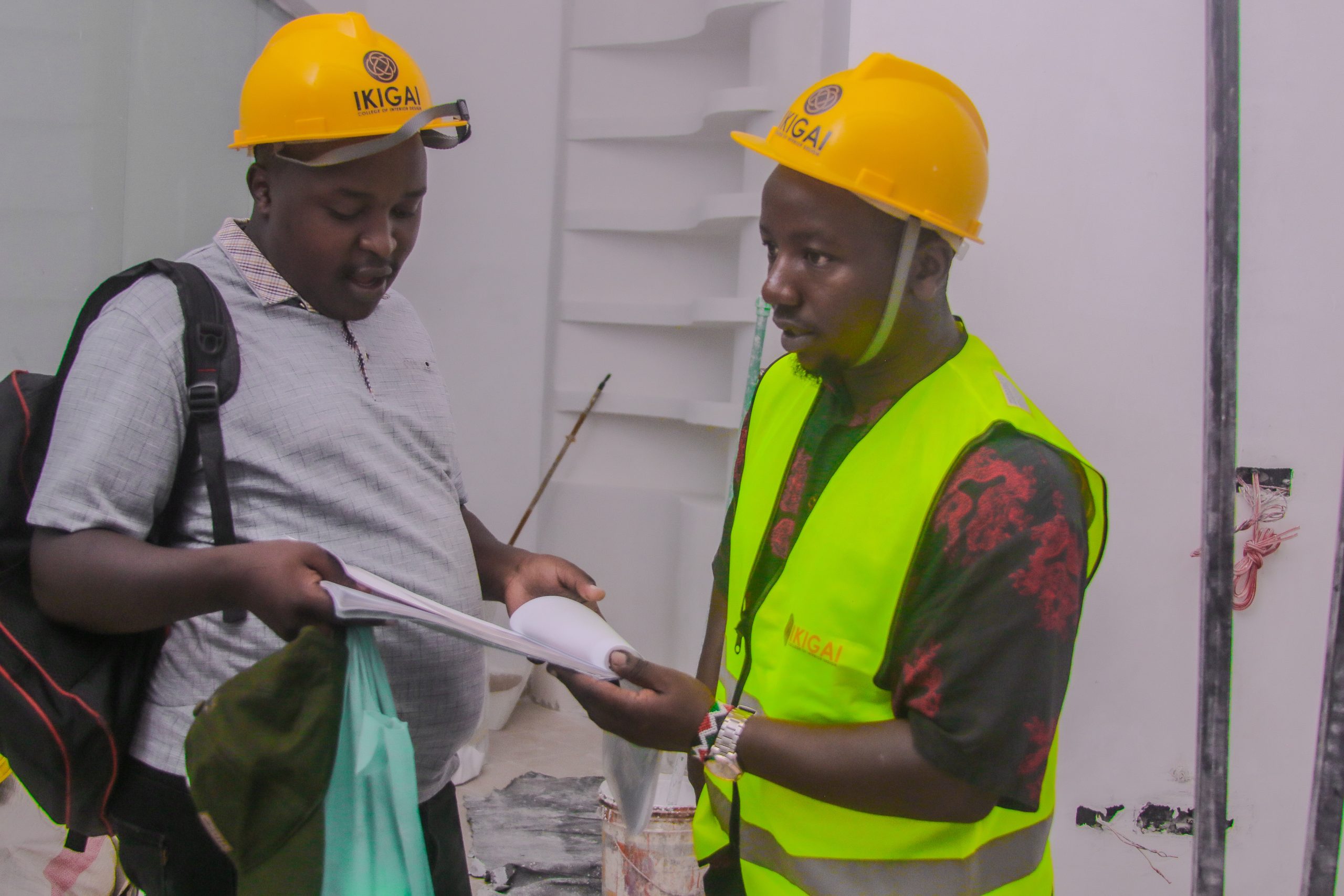
Construction Management

Construction Management at our faculty of built environment equips students with the knowledge and practical skills needed to oversee building and construction projects from start to finish. The program focuses on project planning, site supervision, budgeting, construction technology, safety standards, and resource management. Students gain hands-on experience and industry exposure that prepare them for careers in construction firms, real estate development, project management, and the built environment sector. At Ikigai, we combine technical training with creativity and professionalism to shape competent construction managers ready for today’s competitive industry.
Construction management image

Basic Level

At the basic level, students are introduced to the fundamentals of the construction industry. They learn basic building materials, construction terminology, site safety, drawing interpretation, measurement techniques, and introduction to project planning. The course also covers communication skills, teamwork, and basic computer applications used in construction. This foundation helps students understand how construction projects are organized and managed before advancing to more technical and supervisory skills.
contruction management intermediate level

Intermediate Level

At this level, students build on foundational knowledge by learning more practical and technical aspects of construction projects. Training includes construction estimating, project scheduling, site supervision, building regulations, quality control, contract administration, and construction technology. Students also gain skills in reading architectural and structural drawings, managing resources, and using digital tools relevant to the construction industry. The program prepares learners to handle real-world construction operations with greater confidence and efficiency.
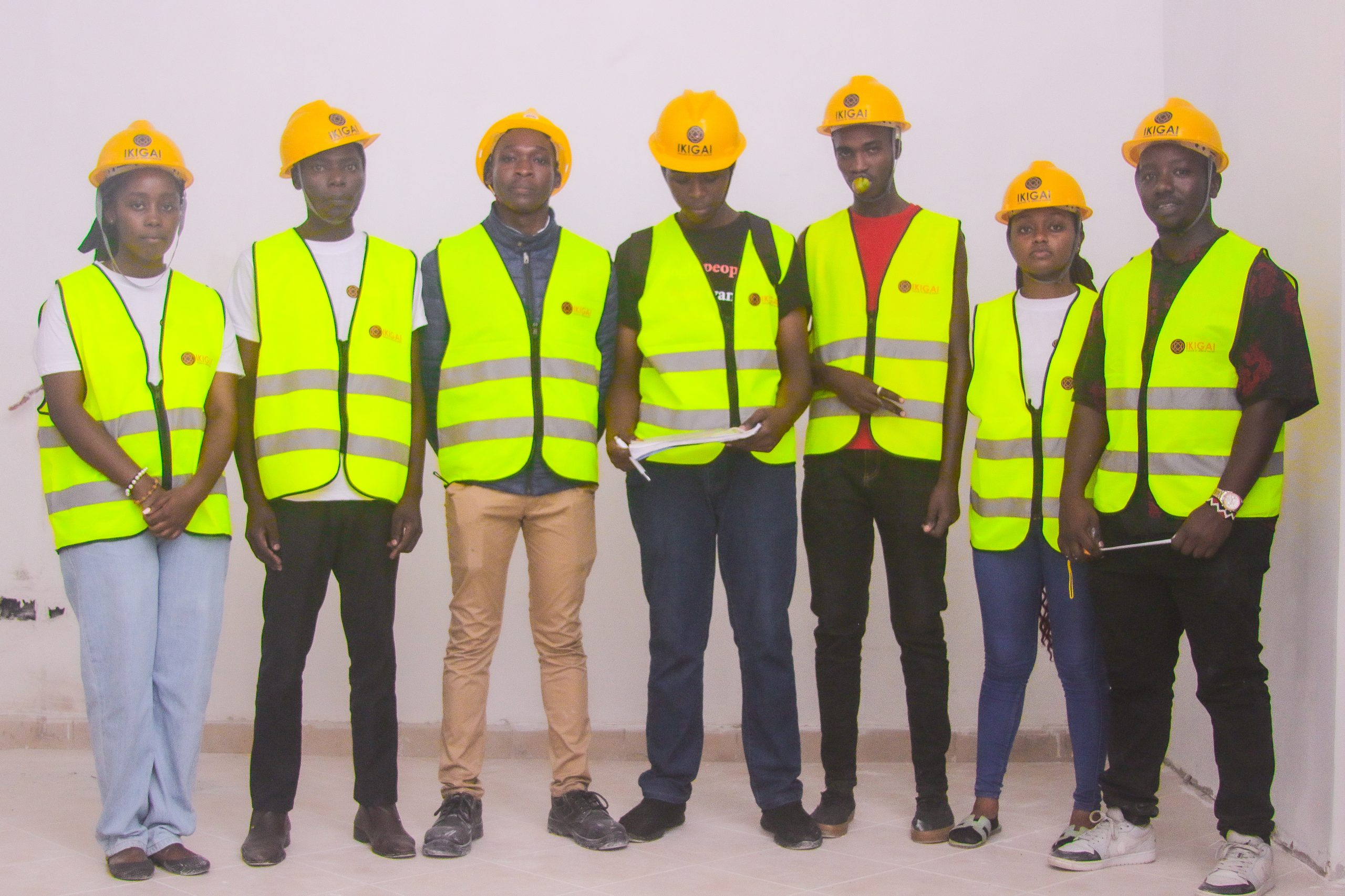
Construction management advanced level

Advanced Level

At the stage, students develop professional-level skills in managing complex construction projects and teams. The program focuses on advanced project management, cost control, contract management, risk assessment, sustainable construction practices, leadership, and strategic planning. Students also explore modern construction technologies, procurement processes, and legal aspects of the construction industry. Through practical projects and industry-based learning, graduates are prepared for supervisory, managerial, and consultancy roles within the construction and real estate sectors.

Requirements

Applicants are expected to have completed secondary education with basic qualifications such as a KCSE certificate. A passion for construction, engineering, design, or project management is also important. Some programs may require basic mathematics and communication skills, while advanced levels may require prior training or experience in construction-related fields. This course is suitable for students who are organized, detail-oriented, and interested in managing building projects and teams.

Mode of Delivery

  • In-person classes at IKIGAI training studios.
  • Online interactive sessions for remote learners.
  • Blended learning approach combining video tutorials, live practice, and group discussions

Program Goals

The goal of the this program is to equip students with the technical, managerial, and practical skills needed to successfully plan, supervise, and manage construction projects. It also aims to develop professionals who can coordinate resources, maintain quality and safety standards, manage project timelines and budgets, and apply modern construction technologies. It also prepares students to become responsible leaders and problem-solvers in the construction and built environment industry while promoting professionalism, innovation, and sustainable building practices.

Skills Conveyed

  • Project planning and scheduling
  • Site supervision and coordination
  • Construction cost estimation and budgeting
  • Reading and interpreting construction drawings
  • Building materials and construction technology knowledge
  • Health and safety management on construction sites
  • Communication and teamwork skills
  • Problem-solving and decision-making abilities
  • Quality control and project monitoring
  • Use of construction software and digital tools

Career Opportunities

  • Construction Project Manager
  • Site Supervisor
  • Building Inspector
  • Construction Consultant
  • Quantity Surveying Assistant
  • Project Coordinator
  • Site Safety Officer
  • Construction Planner
  • Real Estate Development Assistant
  • Contract Administrator
  • Facilities Manager
  • Construction Estimator
  • Clerk of Works
  • Property Development Officer
  • Self-Employment and Construction Entrepreneurship

Benefits

  • Gain practical and industry-relevant construction skills
  • Learn how to manage construction projects efficiently
  • Develop leadership and teamwork abilities
  • Understand modern construction technologies and methods
  • Improve problem-solving and decision-making skills
  • Access diverse career opportunities in the construction industry
  • Build strong project planning and budgeting skills
  • Gain knowledge of safety and quality standards
  • Enhance employability in both private and public sectors
  • Opportunity for self-employment and entrepreneurship
  • Exposure to real-world construction practices
  • Develop professional communication and management skills