
Kenyan Sign Language
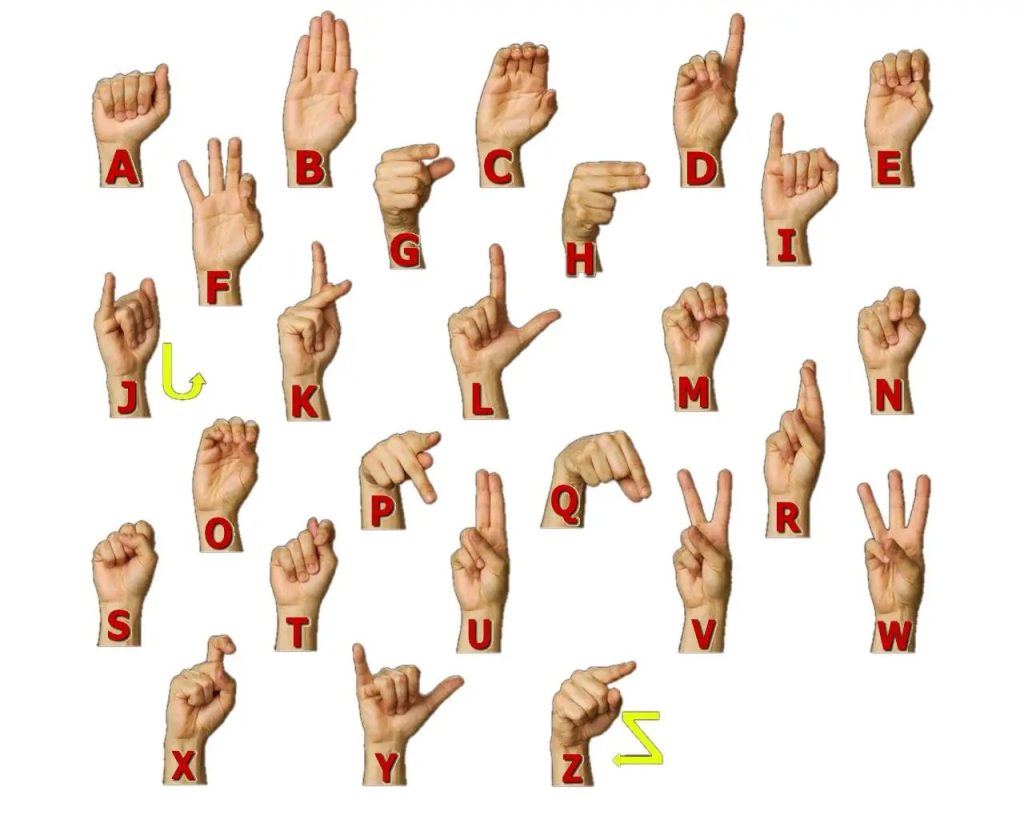
At IKIGAI, we offer a structured Kenyan Sign Language (KSL) training program across three progressive levels, that is Basic, Intermediate, and Advanced, which is designed to build both linguistic proficiency and cultural competence. The course integrates language acquisition with an understanding of Deaf culture, etiquette, and the principles of disability mainstreaming, enabling learners to engage in respectful and effective communication with Deaf individuals in diverse professional and social contexts while fostering inclusivity across sectors.Apply Now
Levels
Basic Level
Our Basic Level training is ideal for beginners. It focuses on everyday communication, including greetings, numbers, family terms, common phrases, and basic grammar. This foundational level is perfect for receptionists, service providers, or anyone who regularly interacts with Deaf individuals. It helps break communication barriers and fosters a more inclusive environment.
Intermediate Level
The Intermediate Level deepens the understanding of Kenyan Sign Language. Trainees are introduced to more complex vocabulary and sentence structures. At this stage, students begin to engage directly with the Deaf community through interactive sessions and community outreach. Additionally, students are assigned project work, which they develop throughout the course and submit during the Advanced Level.
Advanced Level
The Advanced Level focuses on professional-level fluency and incorporates training on Disability Mainstreaming. Participants learn how to integrate inclusive practices within their workplaces and community programs. This level empowers professionals to become advocates and implementers of disability inclusion policies, improving accessibility and promoting equal opportunities for all.

Requirements
- Willingness to actively participate in interactive lessons.
- Access to a quiet, well-lit environment for practice sessions.
- Engagement with the Deaf community for real-life learning.
- Commitment to continuous practice beyond class hours.
Mode of Delivery
- In-person classes at IKIGAI training spaces.
- Online interactive sessions for remote learners.
- Blended learning approach combining video tutorials, live practice, and group discussions.
Program Goals
- Equip learners with functional and fluent KSL communication skills.
- Promote cultural awareness and inclusivity for Deaf persons.
- Build capacity for disability mainstreaming in workplaces and communities.
- Prepare learners for professional or voluntary roles that require sign language proficiency.
Skills Conveyed
- KSL alphabet, numbers, and vocabulary mastery.
- Conversational fluency and storytelling in sign language.
- Understanding of Deaf culture and etiquette.
- Interpretation skills for specific fields (education, healthcare, corporate, legal).
- Application of disability mainstreaming strategies in real-life scenarios.
Career Opportunities
- Professional Sign Language Interpreter.
- Disability Inclusion Officer.
- Educator or Trainer for Deaf learners.
- Customer Service or Public Relations roles in inclusive organizations.
- Community Mobilizer or Social Worker in Deaf-related programs.
Benefits
- Bridge the communication gap between hearing and Deaf communities.
- Enhance employability in inclusive workplaces.
- Contribute to social change by promoting accessibility and equality.
- Foster cross-cultural communication skills through exposure to Deaf culture.
- Champion disability rights and support implementation of the Kenyan Sign Language Bill.
Ready to Learn Kenya Sign Language?
Enroll for the Next Kenya Sign Language Intake at Ikigai College
Start Your Kenya Sign Language Career Today
Join Ikigai College and gain the knowledge and practical skills needed to succeed in the Kenya Sign Language industry. Our admissions team is ready to help you choose the right path and answer your questions.
Frequently Asked Questions
Kenya Sign Language (KSL) is the primary sign language used by the Deaf community in Kenya. It is a visual language that uses hand movements, facial expressions, body movements, and other visual cues to communicate.
Anyone interested in learning KSL can enroll, including students, teachers, parents, caregivers, professionals, social workers, and members of the general public who want to communicate effectively with Deaf people.
Learning KSL helps improve communication and inclusion for Deaf people. It can also enhance your career opportunities in education, social services, healthcare, customer service, community development, and other fields.
Students typically learn KSL vocabulary, fingerspelling, numbers, greetings, sentence formation, everyday conversations, facial expressions, and practical communication skills. The course may also introduce Deaf culture and etiquette.
The duration depends on the level and structure of the course. Short introductory courses can provide basic communication skills, while longer programs offer more comprehensive KSL knowledge and practical proficiency.
No. Beginners can start learning Kenya Sign Language from the basics. Courses are generally structured to introduce learners to fundamental signs before progressing to more advanced communication skills.
Interested students can visit available programs and make an online application via the school's Online Application Form or contact Ikigai College for information about available programmes, admission requirements, fees, and the application process. The admissions team can guide applicants through the steps required to enroll in their preferred diploma courses.
Yes. KSL skills can be valuable in careers that involve direct interaction with the Deaf community. It can complement professions such as teaching, social work, healthcare, community development, customer service, and administration.
You can learn Kenya Sign Language through institutions and training centers that offer KSL programs. Prospective students should check the course content, training approach, duration, and admission requirements before enrolling.
