
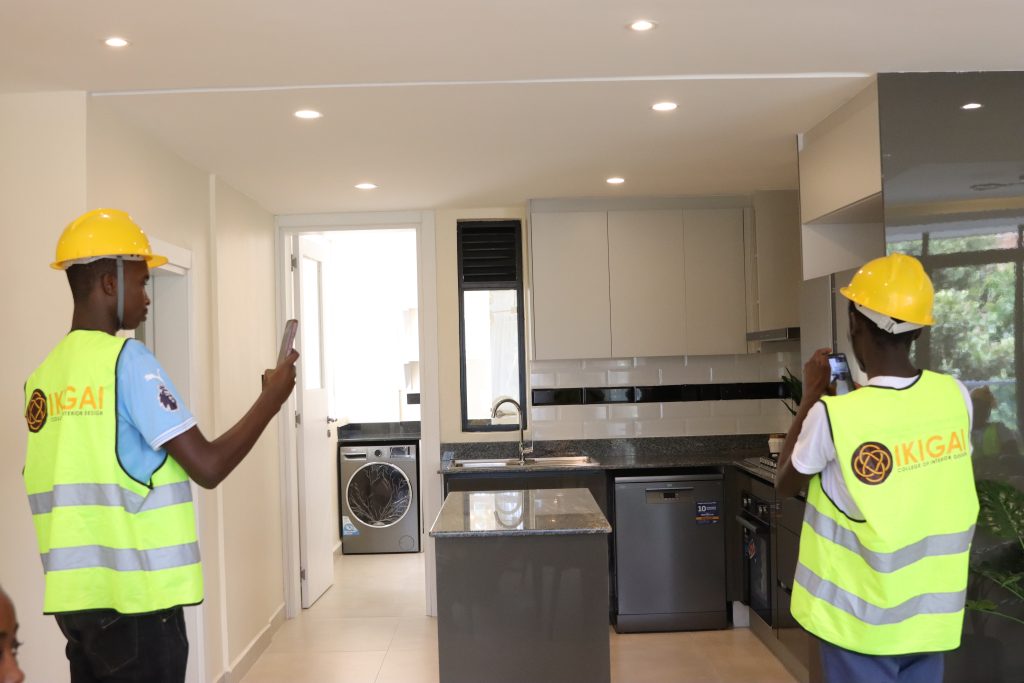
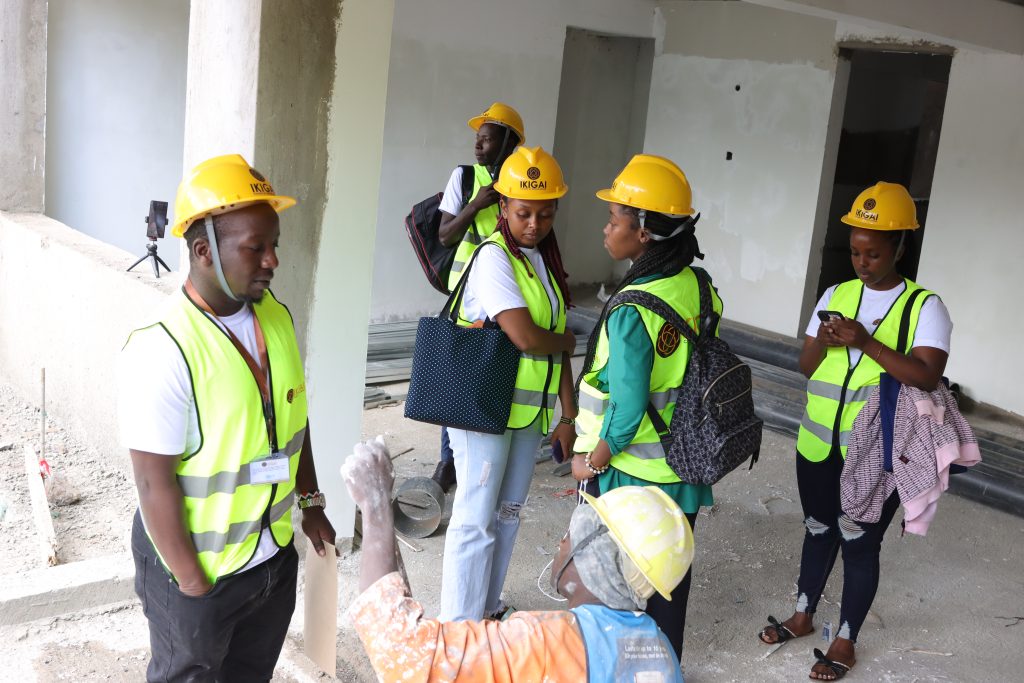
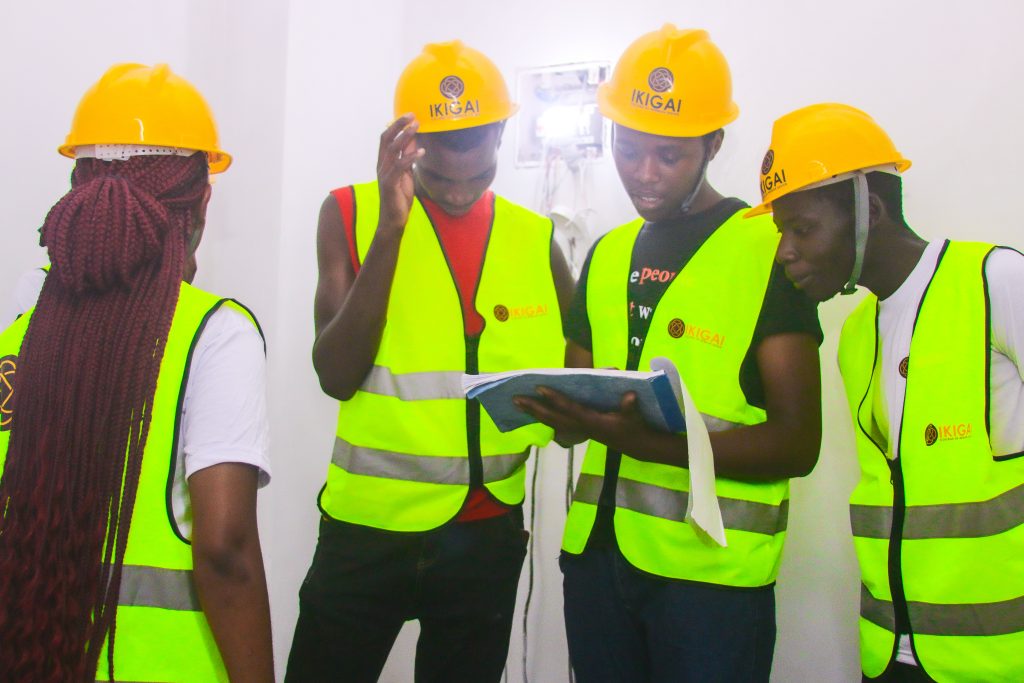
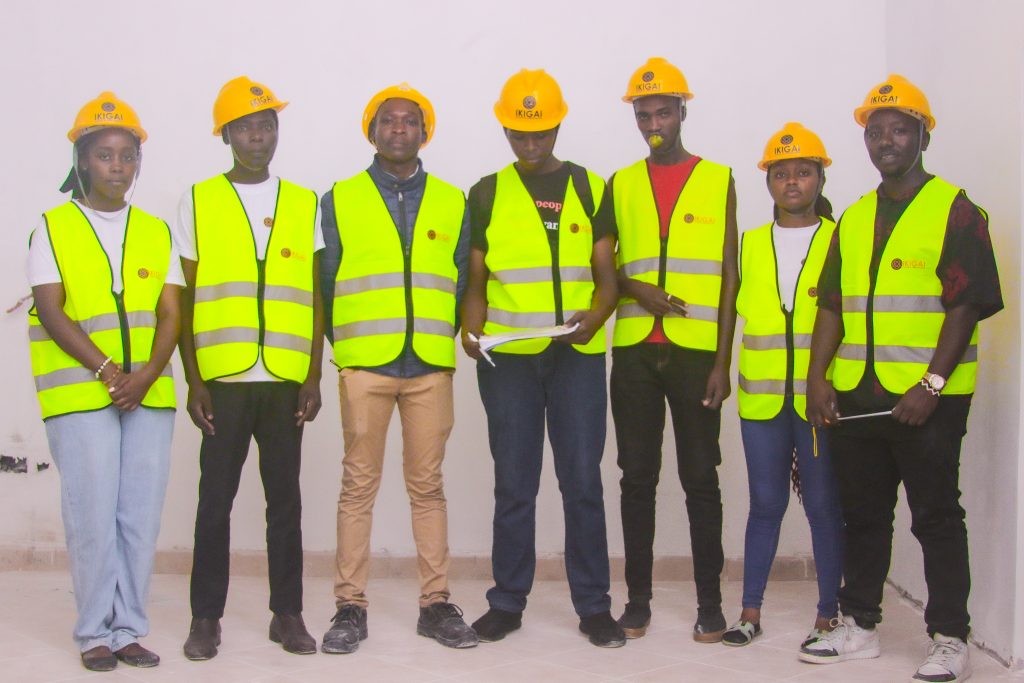
Interior Design
The scope of interior designing in Kenya is tremendous – areas of employment include designing for corporate offices, architectural firms, hotels, freelance practice, furniture companies, and even in the development of furnishing and interior elements and construction firms.
The main responsibility of an interior designer is to make any given space attractive while making maximum use of space and utility.
Notably, the field of interior design is expected to take a hit in the recent years. While the prospects for the self-employed, and those looking to work with existing buildings and other facilities are limited, new constructions and rising demand in real estate are likely to make up for it.
There are several career opportunities for those who have done courses in interior designing. A few job profiles include working as furniture designers, exhibition designers, interior architects, product designers, textile designers, and stylists .
Basic Level- Artisans
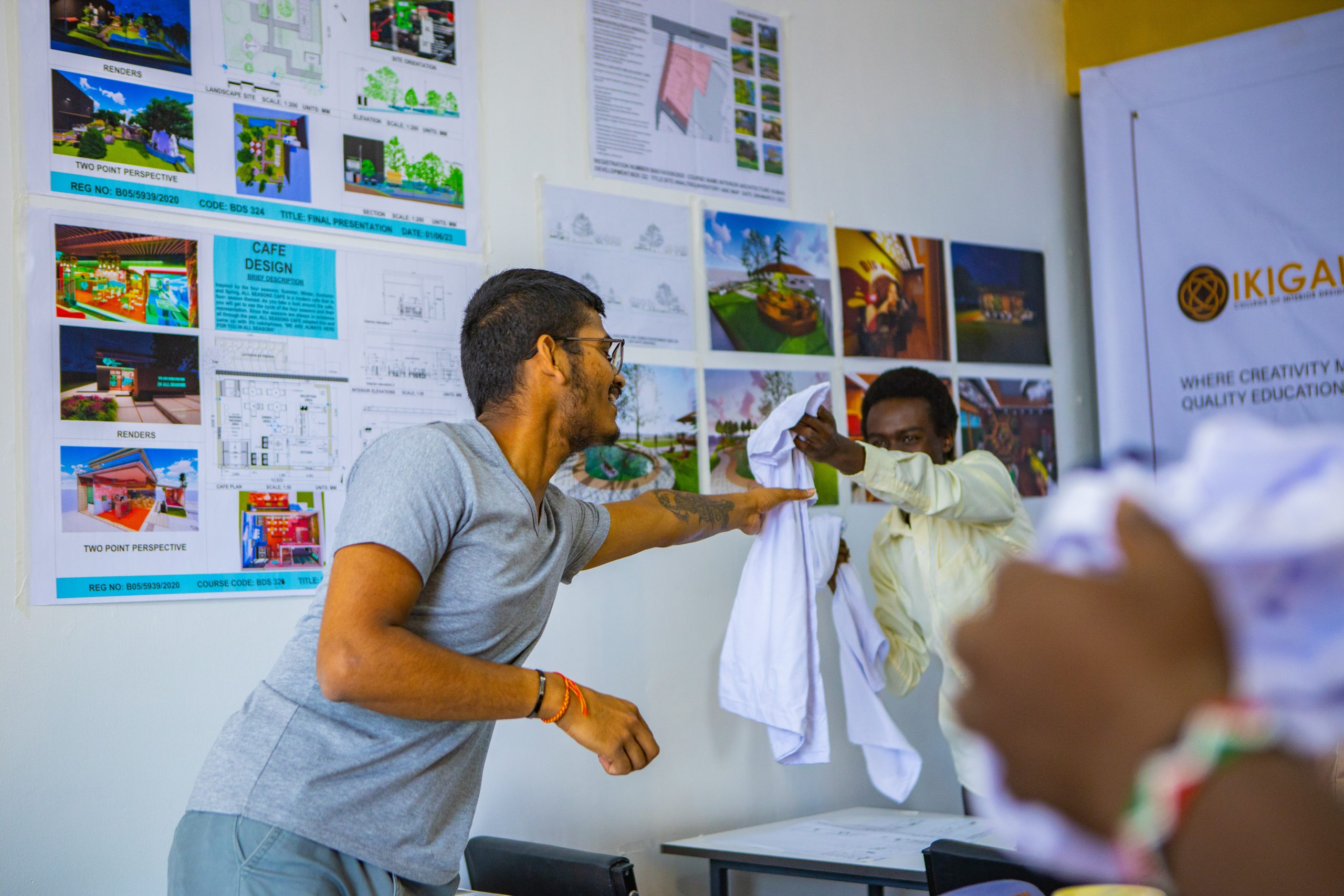
At the basic level of Interior Design, students learn the foundations of creating functional and attractive spaces. They are introduced to color theory, furniture arrangement, lighting, space planning, drawing techniques, and basic computer-aided design. Learners also study materials, textures, and simple décor concepts while developing creativity and problem-solving skills. The course prepares students to understand how interior spaces can improve comfort, beauty, and usability in homes, offices, and commercial environments.
Intermediate- Certificate
At the intermediate level of Interior Design, students build on basic skills by learning advanced space planning, furniture design, lighting concepts, 3D visualization, and computer-aided design software. They explore residential and commercial interior projects, materials specification, budgeting, and project presentation techniques. Students also develop creativity, technical drawing skills, and an understanding of design trends, sustainability, and client needs to prepare for professional interior design practice.
Advanced Level-Diploma
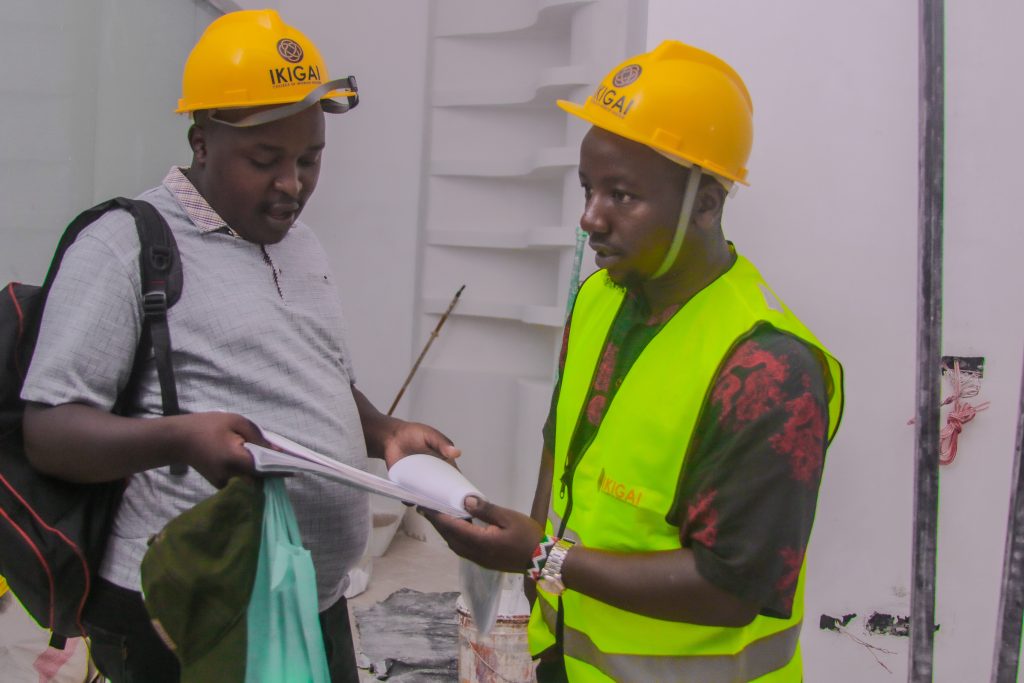
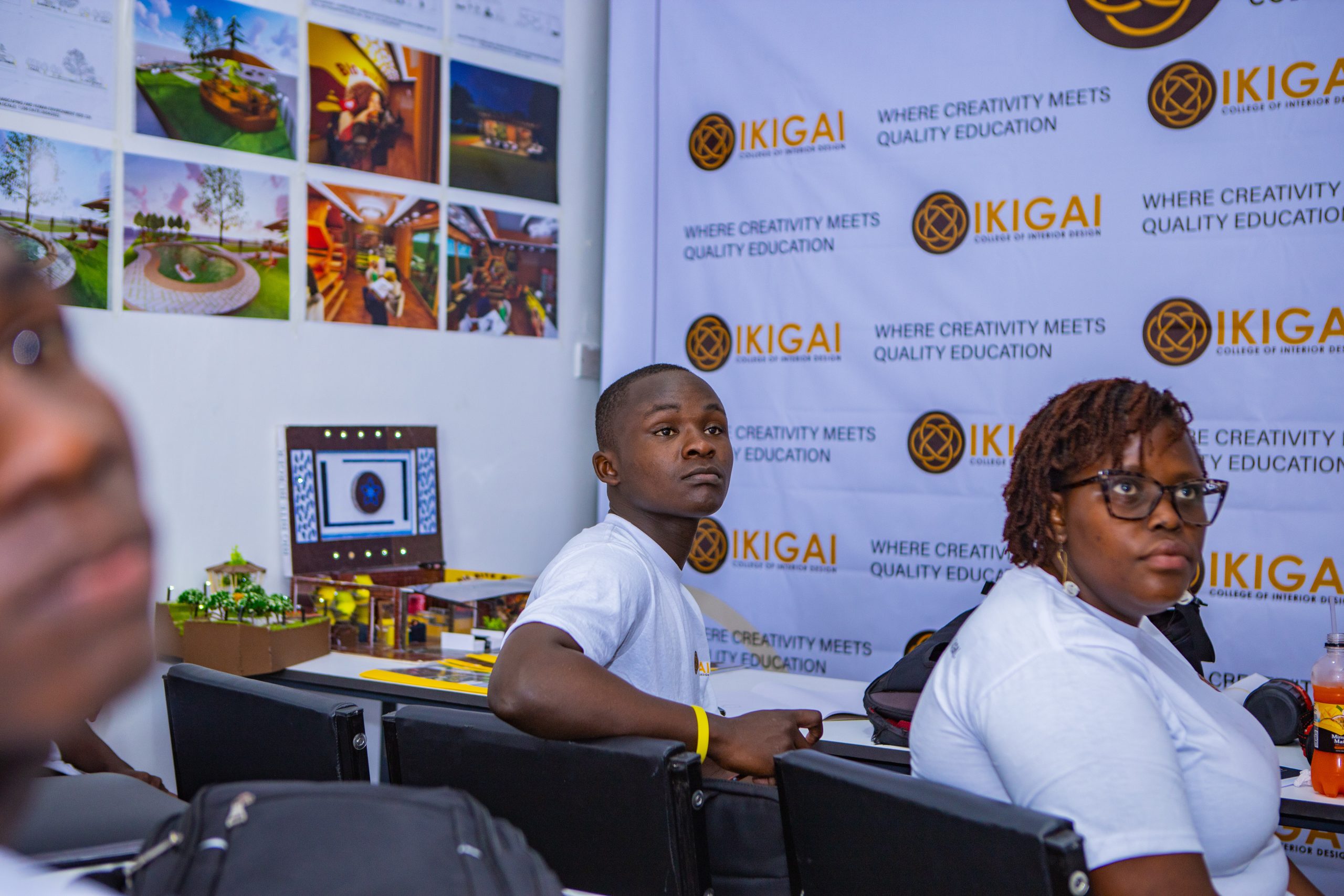
At this level, students focus on professional and specialized design skills for complex residential, commercial, and hospitality projects. They learn advanced 3D visualization, project management, construction detailing, sustainable design, branding, and client consultation. The training also covers portfolio development, entrepreneurship, leadership, and industry standards. Students work on real-world projects that prepare them for professional practice, consultancy, and managing large-scale interior design projects confidently and creatively.
Requirements
For a Certificate course, we require a KCSE mean grade of D (plain) or D+. For a Diploma, the minimum requirement is usually KCSE C- (minus) or a related certificate qualification. Students should also have creativity, good communication skills, drawing interest, and passion for design and space planning. Some institutions may require a portfolio or interview.
Mode of Delivery
- In-person classes at IKIGAI training studios.
- Online interactive sessions for remote learners.
- Blended learning approach combining video tutorials, live practice, and group discussions
Program Goals
The goals of the program are to develop creativity, technical skills, and professional knowledge needed to design functional and attractive interior spaces. The program aims to equip students with skills in space planning, color coordination, furniture design, lighting, and computer-aided design. It also prepares learners to understand client needs, apply sustainable design practices, manage projects professionally, and create safe, comfortable, and visually appealing environments for residential, commercial, and public spaces.
Skills Conveyed
- Space planning and interior layout skills
- Creativity and design visualization
- Computer-aided design (CAD) skills
- Color coordination and material selection
- Furniture and lighting design knowledge
- Communication and client presentation skills
- Project management and budgeting skills
- Problem-solving and critical thinking abilities
Career Opportunities
- Interior Designer
- Space Planner
- Furniture Designer
- Lighting Designer
- Exhibition and Set Designer
- Residential Interior Consultant
- Commercial Interior Designer
- 3D Visualization Artist
- Interior Design Project Manager
- Décor Consultant
- Kitchen and Bathroom Designer
- Retail Store Designer
- Sustainable Design Consultant
- Design Entrepreneur or Studio Owner
- CAD Technician in Interior Design
Benefits
- Develops creativity and artistic skills
- Provides practical and technical design knowledge
- Opens opportunities for self-employment and entrepreneurship
- Prepares students for careers in residential and commercial design
- Enhances problem-solving and space planning abilities
- Builds communication and client management skills
- Offers exposure to modern design software and technologies
- Creates opportunities for networking within the design industry
- Encourages innovation and sustainable design practices
- Increases chances of employment in the growing construction and décor industry