
Graphic Design
Choosing a career in Graphic Design in Kenya, or anywhere else for that matter, can be a rewarding and fulfilling choice if you have a passion and aptitude for it. Here are some reasons why you might consider pursuing Graphic Design with us:
Competitive Advantage: As the demand for graphic designers grows, having a strong skill set and a reputable portfolio can give you a competitive advantage in the job market.
Flexible Career Path: Graphic Design skills can open doors to niche down into creative fields such as motion graphics, photography, branding, animation, web design, content creation, and creative direction.
Basic Level
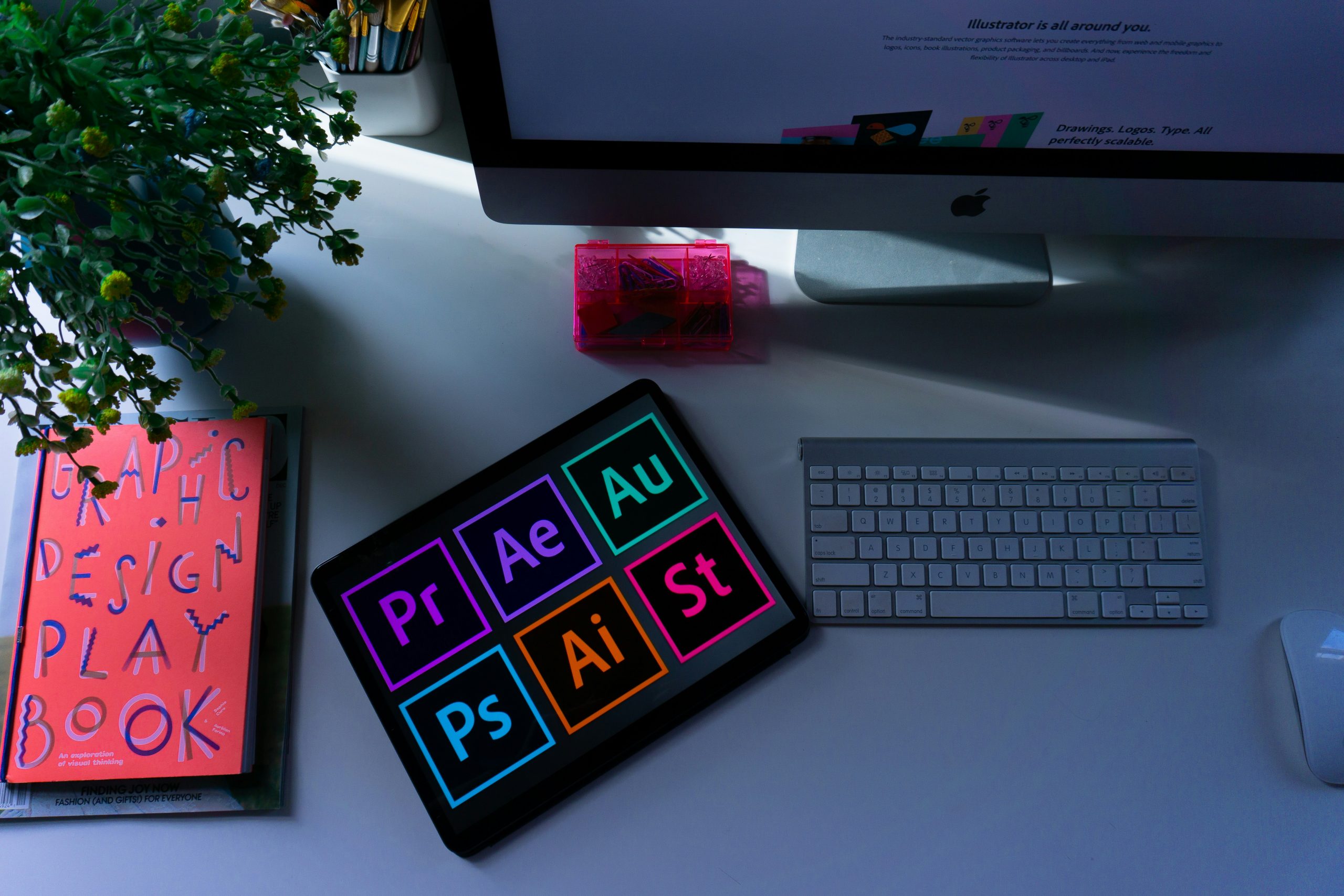
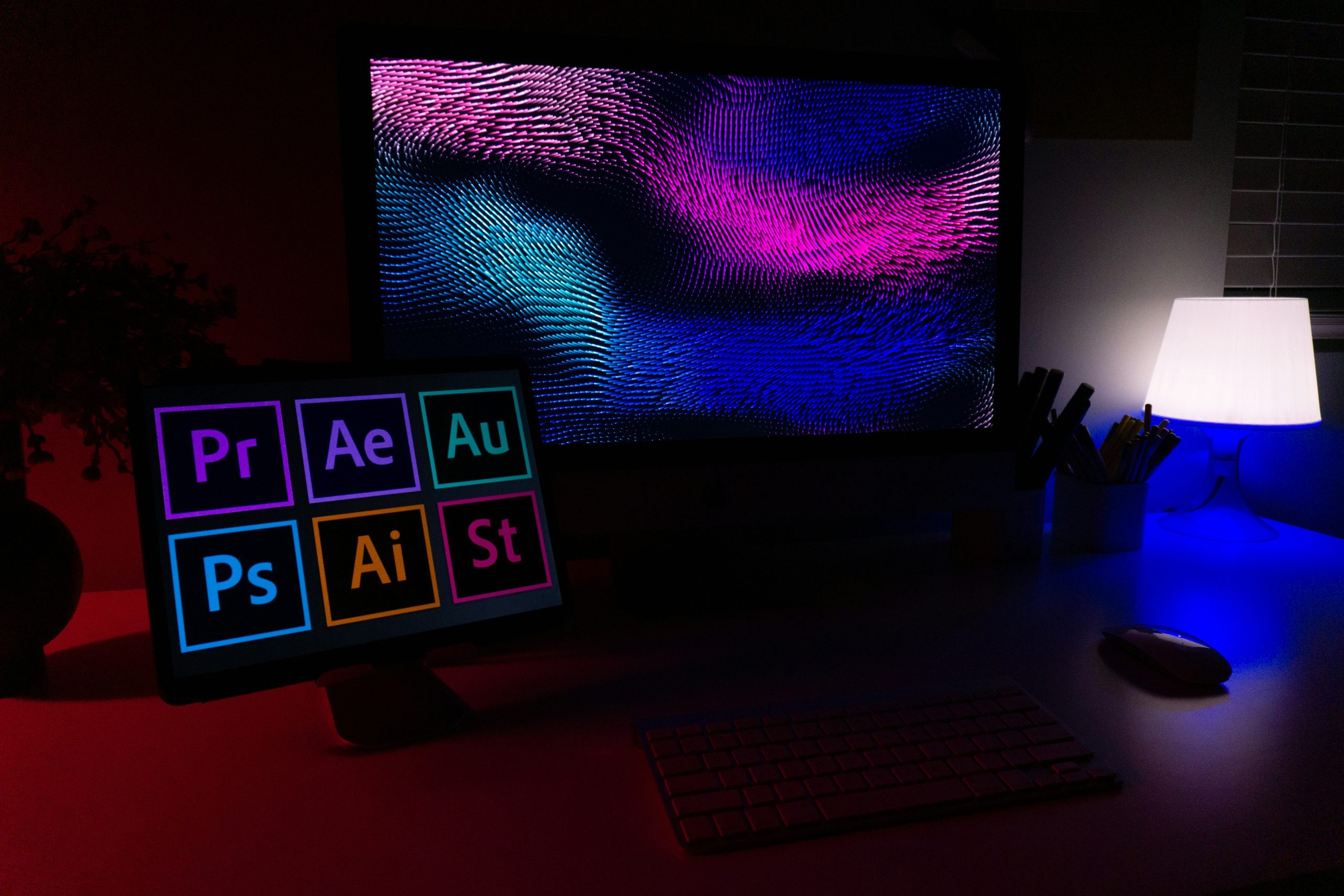
At the basic level of Graphic Design, students learn the fundamentals of visual communication and creative design. They are introduced to color theory, typography, image editing, layout design, branding basics, and drawing concepts. Learners also gain introductory skills in design software such as Adobe Photoshop and Illustrator while developing creativity, communication, and problem-solving abilities needed for simple design projects.
Intermediate Level
At this level, students improve their creative and technical skills by working on branding, advertising design, digital illustration, packaging, social media graphics, and print production. They also learn advanced software techniques, design principles, visual storytelling, and project presentation skills. The training helps students handle professional design projects and understand client requirements effectively.
Advanced Level
At the advanced level of Graphic Design, students focus on professional design practices, advanced branding, motion graphics, user interface design, publication design, and creative direction. They learn project management, portfolio development, entrepreneurship, and industry-standard production techniques. Students also work on real-world projects that prepare them for leadership roles and professional careers in the creative industry.
Requirements
Certificate courses require a KCSE mean grade of D or D+, while Diploma programs commonly require a C- (minus). Other requirements include creativity, computer skills, and an interest in art and design.
Mode of Delivery
- In-person classes at IKIGAI training studios.
- Online interactive sessions for remote learners.
- Blended learning approach combining video tutorials, live practice, and group discussions
Program Goals
The goals of the program are to develop creativity, technical expertise, and communication skills in visual design. The program aims to equip students with knowledge in branding, typography, digital illustration, advertising, and multimedia design. It also prepares learners to create professional visual content that communicates ideas effectively across print and digital platforms.
Skills Conveyed
- Creativity and visual communication skills
- Typography and layout design skills
- Branding and advertising design skills
- Image editing and illustration skills
- Computer-aided design software skills
- Problem-solving and critical thinking abilities
- Communication and presentation skills
- Digital marketing and social media design skills
Career Opportunities
- Graphic Designer
- Brand Identity Designer
- Digital Illustrator
- UI/UX Designer
- Motion Graphics Designer
- Advertising Designer
- Social Media Content Designer
- Web Designer
- Packaging Designer
- Creative Director
- Multimedia Designer
- Print Production Designer
- Freelance Graphic Designer
- Art Director
Benefits
- Develops creativity and artistic talent
- Provides practical digital design skills
- Creates opportunities for self-employment and freelancing
- Prepares students for careers in media and advertising industries
- Enhances communication and branding skills
- Builds proficiency in modern design software
- Encourages innovation and creative thinking
- Increases employment opportunities in the growing digital industry
- Helps students build professional portfolios
- Offers opportunities to work in both local and international markets