

Understanding Differences between Construction Management and Civil Engineering
When choosing a career in the built environment, students often find themselves comparing Construction Management and Civil Engineering. The two fields are closely connected because construction managers and civil engineers often work on the same projects. However, their responsibilities, training, skills and day-to-day activities can be very different.
A civil engineer may be responsible for analyzing and designing infrastructure, while a construction manager focuses more on coordinating the people, materials, costs, schedules and activities required to turn approved designs into completed projects.
Understanding these differences is important for students who want to work in Kenya’s growing construction and infrastructure sector. In this guide, we explain the difference between Construction Management and Civil Engineering, the subjects studied, career opportunities, skills required and how to decide which course may be right for you.

What Is Construction Management?
Construction Management is the planning, coordination and supervision of construction projects from the early stages through to completion. It combines knowledge of construction with management, budgeting, scheduling, procurement, communication and leadership skills.
A construction manager helps ensure that a construction project is completed according to the required specifications while controlling important factors such as time, cost, quality, resources and site operations.
For example, imagine that a company wants to construct a commercial building in Nairobi. Architects and engineers may prepare the drawings and technical specifications, but someone still needs to coordinate the actual construction process. This is where construction management becomes important.
The construction manager may coordinate contractors and subcontractors, monitor progress, help manage the project budget, organize materials, review schedules and communicate with different professionals involved in the project.
Students interested in this career can learn more by reading our guide on Construction Management Courses in Kenya.

What Does a Construction Manager Do?
The exact responsibilities depend on the employer, size of the project and level of experience. Common construction management responsibilities include:
- Planning construction activities
- Preparing and monitoring project schedules
- Coordinating workers, contractors and subcontractors
- Monitoring project costs and budgets
- Coordinating construction materials and equipment
- Monitoring progress on the construction site
- Helping maintain quality standards
- Managing construction documentation
- Communicating with clients, engineers, architects and other stakeholders
- Identifying delays and helping develop solutions
- Supporting compliance with construction and workplace safety requirements
- Preparing progress reports
Construction management therefore suits people who enjoy leadership, organization, problem-solving and practical construction environments.
What Is Civil Engineering?
Civil Engineering is an engineering discipline concerned with the planning, analysis, design, construction and maintenance of infrastructure and built-environment systems.
Civil engineers can work on projects involving roads, bridges, buildings, drainage systems, water infrastructure, foundations, transportation systems and other major infrastructure.
The field relies heavily on mathematics, physics, engineering principles and technical analysis. Civil engineers need to understand how structures and infrastructure systems behave under different conditions.
For example, before a bridge is constructed, civil and structural engineering professionals may need to analyze factors such as loads, materials, soil conditions, structural forces and environmental conditions. The resulting technical information helps guide how the project should be constructed.
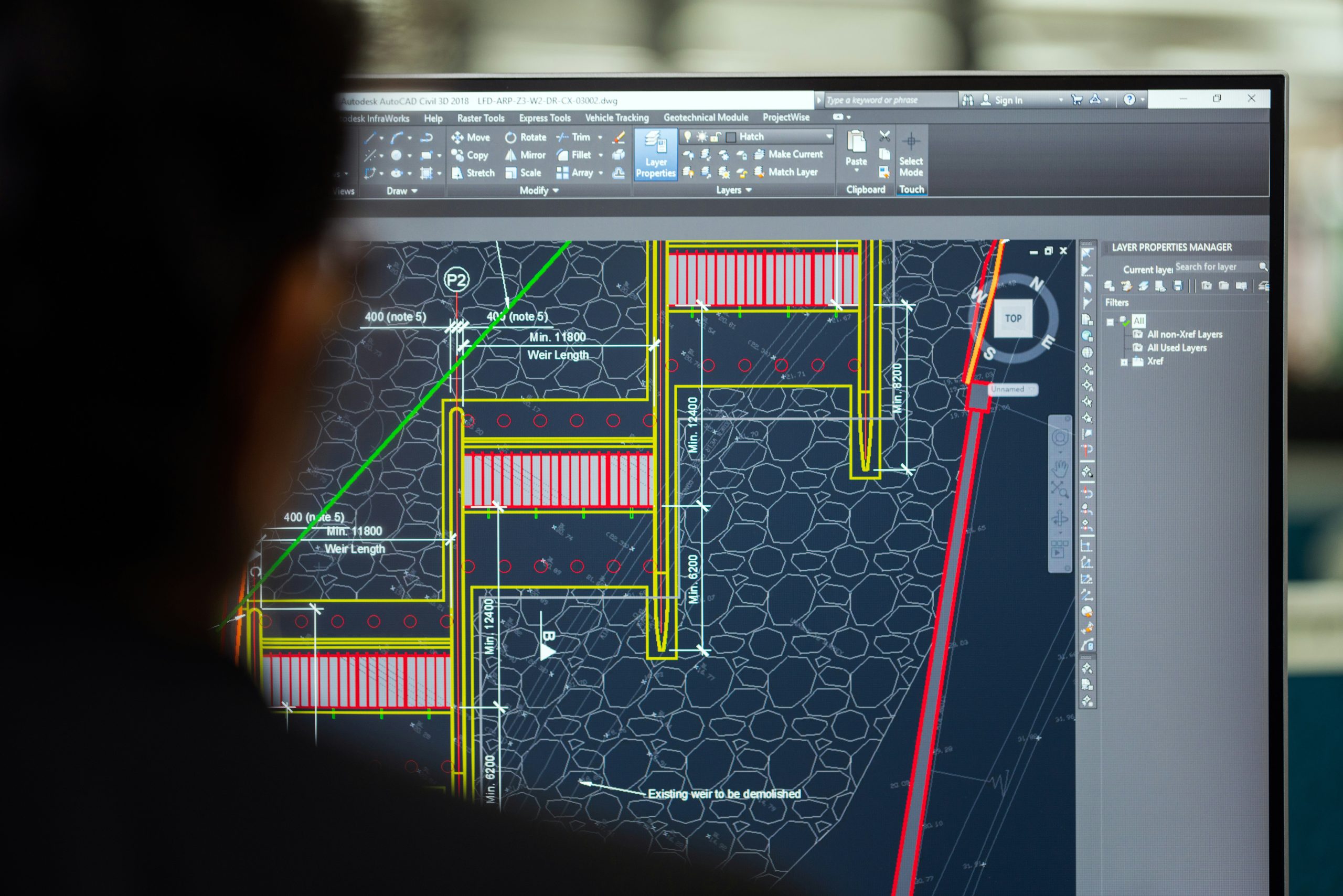
Construction Management vs Civil Engineering: The Main Difference
The easiest way to understand the difference is to consider design versus project delivery.
Civil Engineering focuses more heavily on the technical design, analysis and performance of infrastructure, while Construction Management focuses primarily on organizing and managing the process of delivering the project.
Consider the construction of a large office building.
A civil or structural engineer may analyze structural requirements, materials, foundations and other engineering considerations. A construction manager, meanwhile, may coordinate the contractors, schedule construction activities, monitor expenditure and ensure the different stages of construction progress in the correct sequence.
Neither professional work completely independently. Successful construction projects normally require cooperation among architects, engineers, quantity surveyors, construction managers, contractors, technicians and many other specialists.
Construction Management vs Civil Engineering Comparison
| Area | Construction Management | Civil Engineering |
|---|---|---|
| Main Focus | Managing construction project delivery | Engineering design and technical analysis |
| Budgeting | Major component of project management | May be involved, but usually not the central technical focus |
| Project Scheduling | Major responsibility | May participate depending on the role |
| Mathematics | Applied mathematics and construction calculations | Greater emphasis on advanced mathematics and engineering calculations |
| Design | Primarily manages implementation of approved designs | Can be heavily involved in engineering design and analysis |
| Leadership | Strong emphasis on teams and project coordination | Important, particularly in senior engineering positions |
| Typical Environment | Construction sites and project offices | Engineering offices, laboratories and construction sites |
| Core Goal | Deliver the project efficiently | Develop safe and technically sound engineering solutions |
What Do You Study in Construction Management?
A Construction Management course combines construction knowledge with management and business-related skills. The exact subjects depend on the institution and level of study, but students may encounter areas such as:
- Construction technology
- Construction materials
- Project planning
- Construction project management
- Cost estimation
- Construction drawings
- Site management
- Health and safety
- Procurement
- Construction contracts
- Building services
- Entrepreneurship
- Communication skills
- Project scheduling
This combination makes Construction Management attractive to students who want technical knowledge of construction without concentrating exclusively on engineering design.
If you are considering starting with a certificate qualification, read our guide on Certificate in Construction Management in Kenya.
What Do You Study in Civil Engineering?
Civil Engineering usually contains more mathematics, science and engineering analysis. Depending on the institution and qualification level, students may study areas such as:
- Engineering mathematics
- Engineering mechanics
- Structural analysis
- Fluid mechanics
- Hydraulics
- Geotechnical engineering
- Soil mechanics
- Surveying
- Transportation engineering
- Construction materials
- Environmental engineering
- Engineering drawing
Students who enjoy mathematics, physics, calculations and solving technical engineering problems may find Civil Engineering particularly attractive.
Watch: Understanding Construction Management
The following video can help students understand more about construction management and careers in the construction industry:
Career Opportunities in Construction Management
Construction Management can lead to opportunities with construction companies, property developers, contractors, consulting firms, infrastructure companies and organizations managing building projects.
Depending on qualifications, experience and employer requirements, graduates may pursue roles such as:
- Construction Manager
- Assistant Construction Manager
- Site Supervisor
- Project Coordinator
- Construction Project Manager
- Site Manager
- Construction Planner
- Estimator
- Contracts Assistant
- Construction Entrepreneur
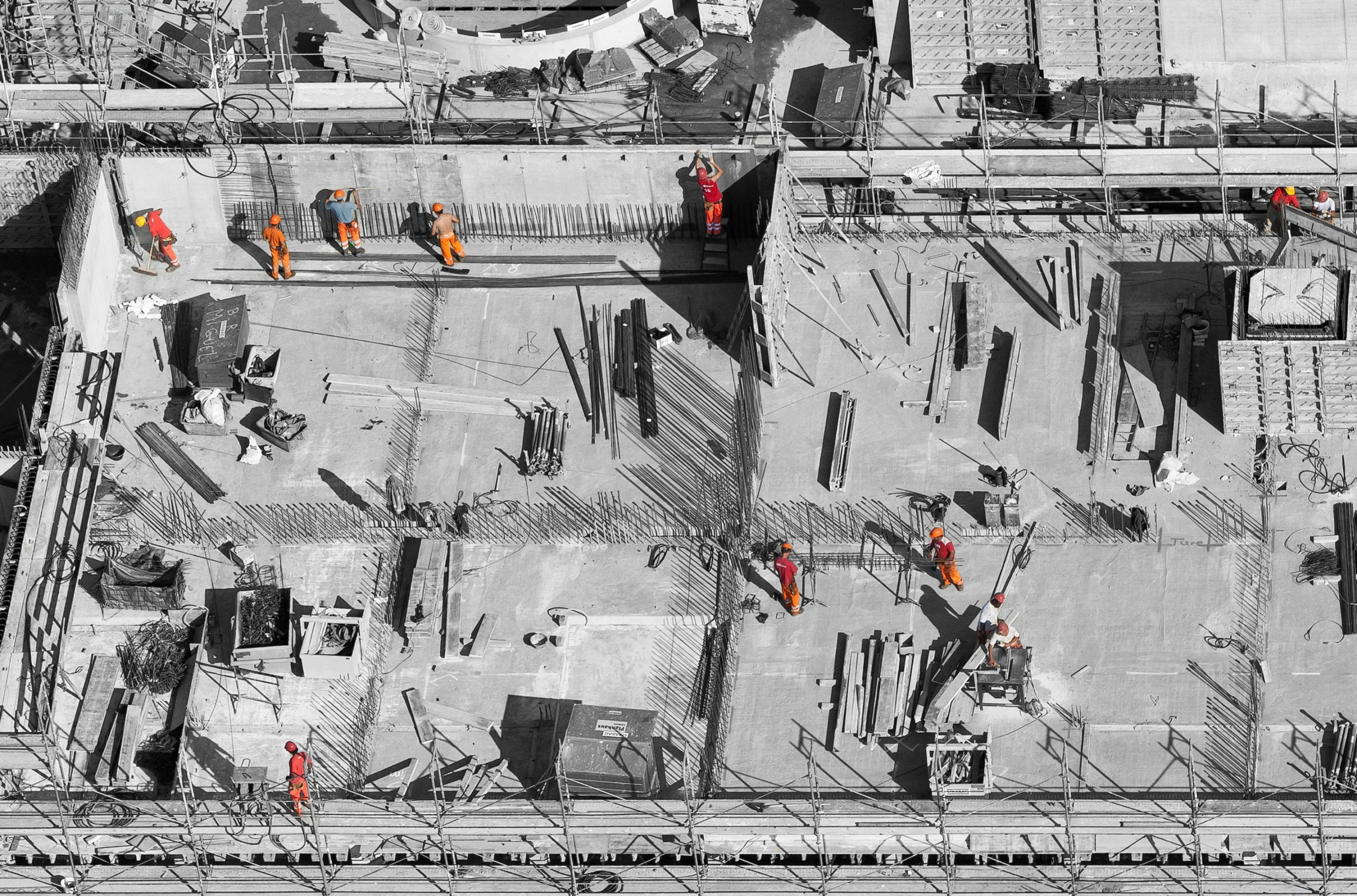
Graduates can also build experience and eventually establish businesses providing construction-related services.
For a detailed discussion of employment options, see Where Can I Work After Studying Construction Management in Kenya?.
Career Opportunities in Civil Engineering
Civil Engineering graduates can pursue careers across several technical areas of infrastructure development. Depending on their qualifications, professional registration and experience, opportunities can include:
- Civil Engineer
- Structural Engineer
- Transportation Engineer
- Geotechnical Engineer
- Water Engineer
- Highway Engineer
- Site Engineer
- Project Engineer
- Infrastructure Consultant

Some civil engineers eventually move into project and construction management positions after gaining industry experience and management skills.
Which Course Has More Mathematics?
If mathematics is one of the factors influencing your decision, Civil Engineering generally has a greater emphasis on advanced mathematics, physics and engineering calculations. Notably, Civil Engineering students use mathematics to understand forces, loads, structural behavior, fluid movement and other engineering problems.
Construction Management also requires numerical skills. Construction managers work with measurements, quantities, budgets, estimates, schedules and other numerical information. However, the course tends to place greater emphasis on applying construction knowledge to project planning and management rather than advanced engineering analysis.
Which Course Involves More Management?
Construction Management has the stronger management focus.
Construction managers regularly coordinate different groups of people and resources. A large project might involve hundreds of workers, several subcontractors, suppliers, consultants, engineers and other professionals.
Someone needs to coordinate these activities while monitoring schedules, costs and progress. This means communication and leadership are particularly valuable skills for a construction manager.
Do Construction Managers and Civil Engineers Work Together?
Indeed, construction managers and civil engineers frequently work together. A civil engineer may develop or review technical engineering solutions, while the construction management team coordinates how approved project information is implemented on site.
Suppose an engineer specifies certain materials and construction requirements for part of a project. The construction manager must ensure that the appropriate teams understand the requirements, materials are available when needed and work is properly coordinated with the overall project schedule.
This relationship is one reason students sometimes confuse the two careers. They may work on the same building, road or infrastructure project, but their primary responsibilities are different.
Construction Management vs Civil Engineering: Which Is Better?
Neither course is automatically better than the other. The best choice depends on your abilities, interests and career goals.
Construction Management May Be Right for You If:
- You enjoy leading and coordinating people.
- You are interested in how construction sites operate.
- You enjoy planning and organizing activities.
- You are interested in budgets and cost control.
- You enjoy solving practical problems.
- You want to manage construction projects.
- You are interested in entrepreneurship within construction.
- You prefer applied construction work and project coordination.
Conversely, Civil Engineering May Be Right for You If:
- You enjoy mathematics and physics.
- You are interested in engineering design.
- You enjoy technical calculations and analysis.
- You want to understand how infrastructure systems behave.
- You are interested in roads, bridges, water systems and other infrastructure.
- You enjoy solving complex engineering problems.
- You want to pursue a professional engineering career.
Why Study Construction Management in Kenya at Ikigai College?
Kenya continues to require professionals who can participate in the planning and delivery of residential, commercial and infrastructure projects. Construction projects involve much more than putting materials together. They require planning, budgeting, scheduling, procurement, supervision and coordination.
Construction Management equips students with skills that connect the technical side of construction with the business and organizational side of project delivery.
Students interested in entering this field can explore Ikigai College of Interior Design and learn more about our practical, career-focused training opportunities in construction management in the faculty of built environment.
At Ikigai College, we emphasize practical learning and skills that help students understand real construction environments. Our approach allows learners to develop technical knowledge alongside communication, planning, teamwork and problem-solving skills.
You can also read our detailed guide on Diploma in Construction Management in Kenya to understand the course and potential career opportunities.
Conclusion: Construction Management vs Civil Engineering
The main difference between Construction Management and Civil Engineering lies in what each profession focuses on during the development of a project.
Civil Engineering concentrates more heavily on engineering principles, technical analysis, infrastructure design and solving engineering problems. On the other hand, Construction Management concentrates on turning project plans into completed projects through effective planning, scheduling, budgeting, coordination and leadership.
Both professions are important. A well-designed project still needs effective management before it can become a successful completed structure.
If you enjoy advanced mathematics, physics, technical calculations and engineering design, Civil Engineering may suit you better. If you are more interested in managing construction activities, coordinating teams, controlling costs, solving site problems and overseeing projects, Construction Management may be the better choice.
For students who want to build practical skills for the construction industry, Ikigai College offers training designed to prepare learners for opportunities within the built environment.
Ready to start your journey? Visit our Ikigai College Application Form to learn more about admissions and available courses.

Frequently Asked Questions
Is Construction Management the Same as Civil Engineering?
No. Although the two fields are closely related, they have different primary focuses. Civil Engineering emphasizes engineering design, analysis and technical infrastructure solutions, while Construction Management focuses primarily on planning, coordinating and managing the delivery of construction projects.
Can a Construction Manager Work With a Civil Engineer?
Yes. Construction managers and civil engineers frequently work together on building and infrastructure projects. Their skills complement each other throughout different stages of project development and construction.
Does Construction Management Require Mathematics?
Yes. Construction Management involves mathematics in areas such as measurements, quantities, estimating, budgeting and planning. However, Civil Engineering normally involves more advanced mathematics, physics and engineering calculations.
Can I Become a Project Manager After Studying Construction Management?
Construction Management can provide a strong foundation for project management careers because students develop skills in scheduling, budgeting, coordination, communication and construction operations. Career progression will also depend on experience, additional qualifications and employer requirements. Explore Careers after studying Construction Management
Is Construction Management a Good Career in Kenya?
It can be a strong career choice for students interested in construction, leadership, project coordination and the built environment. Construction projects require professionals who can coordinate people, materials, schedules and costs effectively.
Read more in our guide: Is Construction Management a Good Career in Kenya?

No Responses