

Where Can I Work After Studying Construction Management in Kenya?
Wondering where to work after studying construction management? Worry no more because this guide will clarify this question. Indeed, completing a Construction Management course is an exciting achievement, but it often leads to this bigger question
The answer is broader than many students expect. A Construction Management graduate is not limited to working for a building contractor or spending every working day on a construction site. The skills developed during training can be useful in construction companies, property development firms, project management companies, government projects, real estate businesses, consultancy firms and several other parts of Kenya’s built environment.
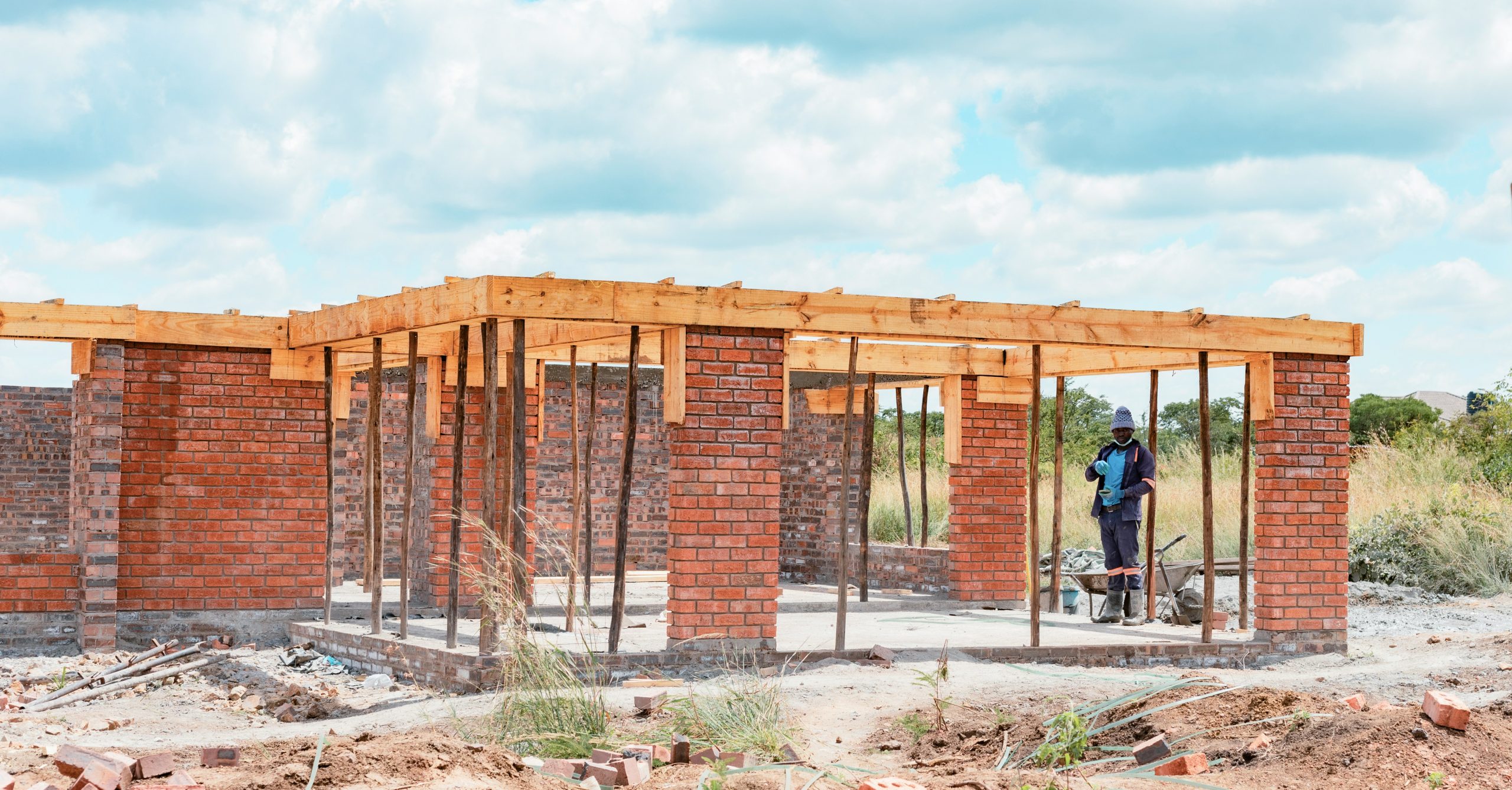
Construction projects require people who can connect designs, budgets, workers, materials, deadlines and client expectations. This is where the skills from studying construction management become valuable.
If you are considering studying Construction Management at Ikigai College, here are some of the workplaces and career directions you can explore after your training.
Most Common Places to Work after Studying Construction Management in Kenya?
1. Construction Companies
Construction companies are perhaps the most obvious employers for Construction Management graduates, but the opportunities within these companies are quite diverse.
A construction company may simultaneously be managing residential developments, commercial buildings, renovations and other projects. Each project requires people to help coordinate labor, materials, subcontractors, equipment, documentation and schedules.
A graduate starting out may work as a site assistant, project assistant, site administrator or junior project coordinator. Instead of being responsible for an entire project immediately, the graduate can work alongside experienced professionals while learning how real construction projects operate.
Daily responsibilities could involve checking project progress, preparing reports, monitoring deliveries, communicating with suppliers, keeping site records and assisting with the coordination of different trades.
This environment can provide valuable experience because graduates see the construction process happening in real time.
2. Property Development Companies
Not every company involved in construction actually builds the project itself. Property developers identify opportunities, acquire or develop property and coordinate professionals to transform ideas into completed developments.
Think about an apartment development. Before residents can move into the finished apartments, someone has to coordinate designers, approvals, contractors, budgets, materials, timelines and inspections.
A Construction Management graduate can assist a property developer in monitoring these activities.
Depending on experience and the organization, work may include tracking project progress, coordinating meetings, preparing documentation, following up with contractors and helping management compare what is happening on site with the project’s plans.
This can be particularly interesting for graduates who want to understand the business side of construction as well as the physical building process.
3. Construction Sites
For some graduates, the construction site itself becomes the classroom where professional skills are developed further.
A busy building site involves much more than workers laying blocks or pouring concrete. Materials must arrive at the right time. Different trades must be coordinated. Drawings need to be followed. Work must be inspected. Safety procedures need attention, and delays must be communicated.
A graduate working in site coordination or supervision can help keep these activities organized.
For example, imagine that electricians need access to an area that is still being used by another team. At the same time, materials expected that morning have been delayed. These situations require communication, planning and quick decision-making.
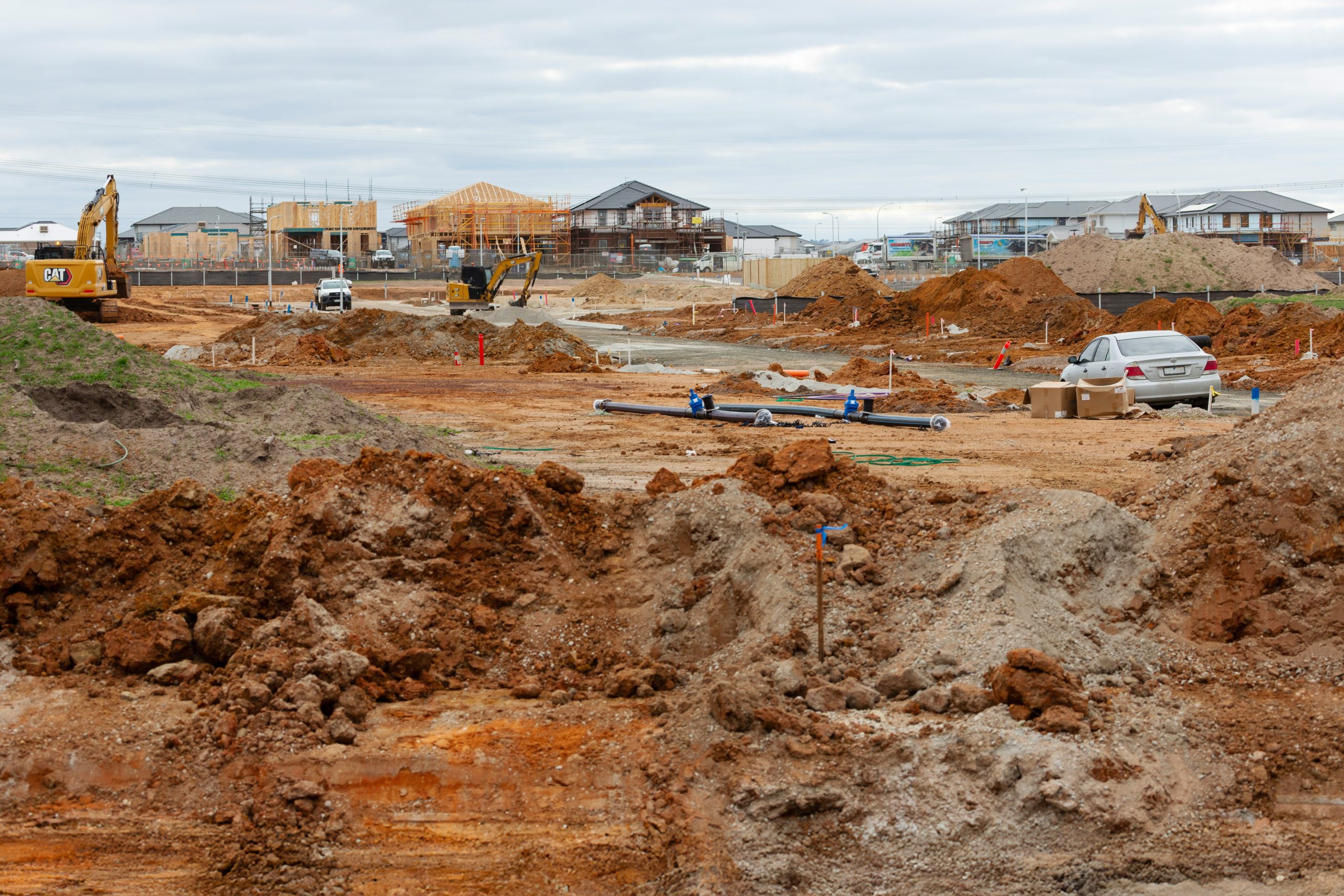
It is this constantly changing environment that makes site experience valuable to someone building a career in Construction Management.
A construction manager does not simply watch a building go up. The role involves helping people, information, resources and schedules move together toward a finished project.
4. Project Management and Consultancy Firms
Another possible workplace is a firm that manages projects on behalf of clients.
A client planning a new office building, school, residential development or commercial property may need professionals to help monitor the project from planning through completion.
Project management firms can bring together different specialists and help ensure that the client’s objectives remain at the center of the project.
Construction Management graduates working in this environment may assist with project documentation, schedules, progress reports, meetings, contractor coordination and communication between stakeholders.
This type of work is particularly suited to people who are organized, comfortable communicating with different professionals and interested in seeing the bigger picture of a construction project.
5. Government and Public-Sector Projects
Construction also takes place within Kenya’s public sector. National and county government projects can include schools, offices, markets, healthcare facilities, housing, roads and other public infrastructure.
Construction Management graduates may therefore explore relevant opportunities in government departments, county governments, public institutions and agencies involved in development projects.
The exact position will depend on the employer’s recruitment requirements and the graduate’s qualifications and experience.
Public projects can expose professionals to areas such as project monitoring, procurement processes, contractor coordination, documentation and compliance.
Graduates interested in this direction should regularly check official recruitment channels and ensure that they understand the qualification and professional requirements attached to individual positions.
6. Real Estate Companies
Real estate and construction are closely connected, but they are not the same industry. A real estate company may sell, lease or manage property while also becoming involved in renovations, maintenance and property development.
Construction Management knowledge can be useful when a company is evaluating renovation work, monitoring contractors or coordinating improvements to buildings.
For example, a property management company responsible for an office building may need to coordinate repairs, interior alterations, maintenance contractors and upgrades while minimizing disruption to tenants.
A graduate with construction knowledge can help bridge the gap between property management and the contractors carrying out the work.

7. Facilities Management Companies
A construction professional’s involvement does not necessarily end when a building is completed.
Buildings require maintenance, repairs, upgrades and modifications throughout their useful lives. This creates another possible career direction: facilities management.
Facilities teams may coordinate maintenance contractors, inspect building conditions, organize repairs and plan improvement projects.
Knowledge of building materials, construction processes, drawings and project coordination can therefore be useful in this environment.
Facilities management may appeal particularly to graduates who want to work with completed buildings rather than focusing exclusively on new construction.
8. Construction Materials and Supply Companies
Consider everything required to complete a building: cement, steel, timber, tiles, plumbing products, electrical components, doors, windows, finishes, equipment and many other materials.
Behind these products are manufacturers, distributors and suppliers serving the construction industry.
A Construction Management graduate who understands how materials are used on projects can explore roles involving technical sales, procurement support, logistics, customer relations or product coordination.
This is an often-overlooked career direction.
Someone who understands construction can communicate differently with contractors and project teams because they understand why particular materials are needed, when they are required and how delays can affect a project.
9. Interior Fit-Out and Renovation Companies
Construction does not always start with an empty piece of land.
Many projects involve transforming existing offices, shops, restaurants, hotels, homes and other spaces. These projects need coordination just as new buildings do.
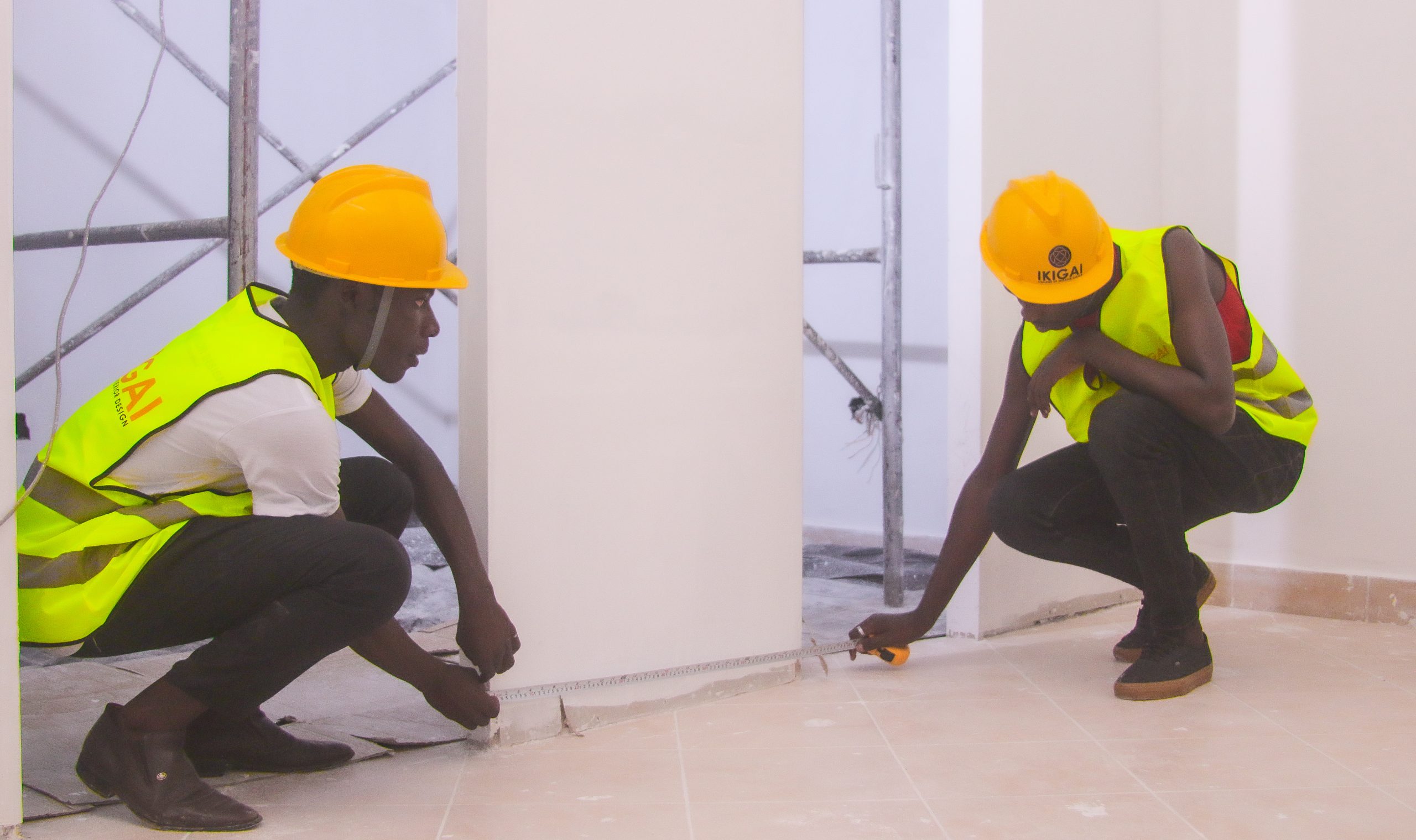
Fit-out and renovation companies often work with designers, electricians, plumbers, carpenters, painters, ceiling installers and suppliers within relatively short project timelines.
A Construction Management graduate can help coordinate these activities, monitor schedules and keep track of materials and progress.
This area is particularly relevant where construction overlaps with interior design and other disciplines within the built environment.
Students interested in this relationship can also explore built-environment and design courses at Ikigai College.
10. NGOs and Development Organizations
Some non-governmental and development organizations undertake construction projects as part of larger community programs.
These might include classrooms, community centres, water-related infrastructure, healthcare facilities, housing improvements or other projects.
Construction professionals may be required to help monitor contractors, coordinate projects, inspect progress or support project documentation.
Requirements vary considerably between organizations, and some positions may require previous field experience or additional qualifications. Nevertheless, it is another sector graduates can consider when exploring where construction skills are needed.
11. Start Your Own Construction-Related Business
Employment is not the only possible path.
Some graduates eventually use their training and industry experience to establish construction-related businesses. Opportunities can exist in project coordination, renovation, building materials, subcontracting and other specialist services.
However, completing a course does not automatically make someone ready to manage major construction projects independently.
Experience matters.
A graduate who wants to become an entrepreneur can benefit greatly from first working with experienced professionals, understanding how contracts operate, developing supplier relationships and learning how to manage clients and project finances.
Any business or professional service must also comply with the applicable Kenyan registration, regulatory and professional requirements.
What Jobs Can a graduate Apply for after Studying Construction Management?
Job titles vary from one employer to another, and graduates should not limit their searches to vacancies carrying the exact title “Construction Manager.”
Entry and developing-career opportunities may use titles such as:
- Site Assistant
- Project Assistant
- Junior Site Supervisor
- Construction Project Coordinator
- Site Administrator
- Project Administrator
- Assistant Construction Manager
- Construction Estimating Assistant
- Procurement Assistant
- Facilities Project Assistant
- Property Development Assistant
Actual eligibility will depend on the employer, level of qualification, experience and responsibilities attached to the position. Explore more about the most common careers after studying construction management in Kenya
Your First Job May Not Be “Construction Manager”
This is an important point for students entering the industry.
Graduating with a Construction Management qualification does not necessarily mean that the first job will involve managing an entire multimillion-shilling project.
Construction management carries significant responsibility. Employers may therefore expect professionals to build experience before taking charge of larger projects.
An entry-level role should not be viewed as failure. Working alongside experienced site supervisors, contractors, project managers and other built-environment professionals can help a graduate learn things that cannot be fully replicated in a classroom.
The first few years can be used to develop a strong understanding of site operations, documentation, construction methods, workplace communication and problem-solving.
How Can You Improve Your Employment Opportunities?
A qualification provides a foundation for successful careers but graduates can strengthen their employability by developing skills that employers can actually use. For instance, graduates ought to learn to read and interpret construction drawings, become comfortable with spreadsheets, reports, schedules and project documentation, and develop professional communication skills. Additionally, they must take site safety seriously and become familiar with digital tools used for planning, drafting and project coordination.
Most importantly, seek practical exposure.
Attachment, internship and entry-level opportunities can help you build evidence of what you can do. Keep records of projects you participate in and the responsibilities you undertake. Over time, this experience can become an important part of your professional profile.
After studying Construction Management in Kenya, where can this Career Take You?
The construction industry does not have a single career ladder that everyone must follow.
One graduate may begin as a site assistant and gradually progress toward construction project management. Another may discover an interest in property development. Someone else may prefer procurement, facilities management, estimating or entrepreneurship.
This flexibility is one of the interesting aspects of studying Construction Management.
Your training introduces you to a project as a whole rather than just one physical task. As you gain experience, you can identify the part of the industry that best matches your strengths.
Build Your Construction Career at Ikigai College
So, where can you work after studying Construction Management in Kenya? The answer can include construction companies, project management firms, property developers, government projects, real estate businesses, facilities management companies, construction suppliers, renovation firms, development organizations and eventually your own business.
The qualification is the beginning rather than the end of that journey. Practical experience, professional relationships, continued learning and a willingness to start at the appropriate level can determine how far a graduate progresses.
At Ikigai College, we focus on practical, career-oriented training that helps students connect what they learn in class with the realities of the built environment.
If you are interested in starting your journey, explore our Construction Management course, learn more about admissions at Ikigai College, or proceed to our online application form.
Your first construction job may be only one project. The skills, experience and professional reputation you build from it can become the foundation for an entire career.

No Responses