
Certificate in Construction Management in Kenya: Requirements and Career Opportunities
A Certificate in Construction Management in Kenya can provide a practical starting point for students interested in joining the built environment industry. The course introduces learners to important areas such as construction technology, site supervision, project planning, cost estimation, health and safety, construction drawings and resource management. Kenya’s construction industry continues to create opportunities for people with practical skills in building, project coordination, site supervision and construction planning. From residential developments and commercial buildings to renovations and infrastructure projects, construction requires professionals who can help organize people, materials, time and other resources effectively.
At Ikigai College, our Construction Management training focuses on helping students understand both the technical and management sides of construction projects. This makes the program suitable for school leavers, people already working in construction and anyone interested in building a career within Kenya’s built environment sector.
In this guide, we look at what a Certificate in Construction Management involves, entry requirements, skills students can develop and the career opportunities available after training.
What Is a Certificate in Construction Management?
A Certificate in Construction Management is a practical program that introduces students to the processes involved in planning, coordinating and supervising construction work.
Construction involves much more than laying foundations, building walls and installing roofs. Every successful project requires proper planning. Materials have to be ordered at the right time, workers need to know what they are expected to do, costs must be monitored, deadlines need to be followed and safety procedures must be observed.
This is where construction management becomes important.
A student taking a certificate course may learn how different stages of a construction project fit together. The training can help learners understand how construction professionals coordinate contractors, workers, suppliers, architects, engineers, quantity surveyors and clients.
It can therefore be a good option for someone who enjoys construction but is also interested in organization, leadership, planning and problem-solving.
Why Study a Certificate in Construction Management in Kenya?
Construction projects require people with different levels of technical and managerial skills. While engineers, architects and quantity surveyors perform specialized professional roles, construction sites also require trained personnel who can assist with daily operations, supervision, documentation and coordination.
A certificate program can provide an entry point into this environment.
Students may choose the course because they want to gain practical construction knowledge without immediately beginning with a longer program. Others may already be working in the construction industry and want formal training to strengthen their skills.
Another advantage is progression. After gaining foundational knowledge and experience, a student may choose to continue to a higher qualification such as a Diploma in Construction Management or another related program in the built environment.
Certificate in Construction Management Requirements in Kenya
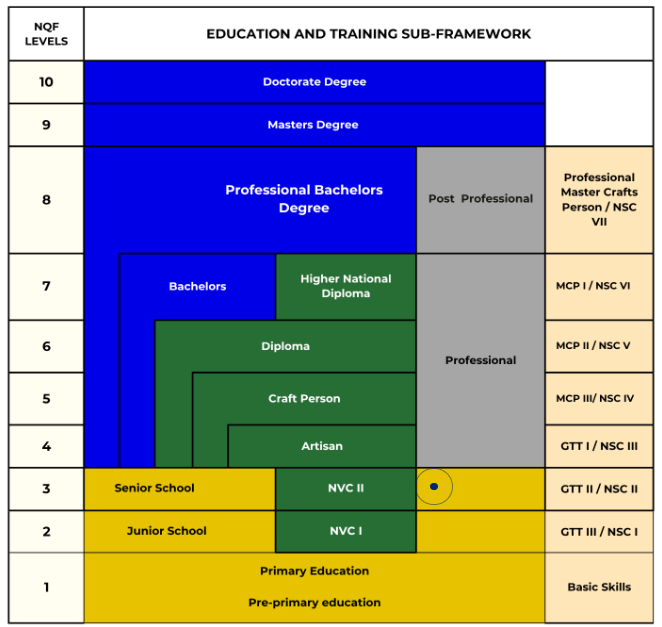
The exact requirements for a Certificate in Construction Management in Kenya depend on the qualification level, examining body and institution offering the program. For instance, under Kenya’s TVET qualification framework , certificate-level programs may fall under different qualification levels, with construction management foreman being one of its level 5 programs. Students should therefore avoid assuming that every course carrying the word “certificate” has exactly the same entry requirements.
Consequently, applicants will generally need to have completed the relevant level of education and provide the academic documents required by their chosen institution. For nationally regulated programs, the minimum KCSE grade or equivalent qualification will depend on the specific KNQF level of the course.
Students considering a certificate in Construction Management at Ikigai College should contact the admissions team or visit admissions page to confirm the current entry requirements for the particular certificate program they intend to pursue.
You can visit our online application page to begin your application or request more information about available programs.
Do I Need Physics or Mathematics to do certificate in Construction Management?
Having a background in Mathematics, Physics, Building Construction or technical subjects can be helpful because construction involves measurements, quantities, drawings, costs and calculations.
However, students should confirm whether particular subjects are compulsory for the specific program they want to join. What is more important for a beginner is an interest in construction and a willingness to develop practical, numerical and problem-solving skills.
What Will You Learn in Certificate in Construction Management Program?
The subjects covered may vary depending on the institution and curriculum. However, Construction Management training generally combines:
1. Construction Technology
Students learn how buildings are constructed from the early stages through to completion. This can include foundations, walls, floors, roofing, finishes and other building components.
Understanding construction technology is important because a construction manager or supervisor needs to understand what is happening on site and how different activities relate to each other.
2. Site Supervision
Construction sites involve many activities happening at the same time. Students learn basic approaches to monitoring site activities, coordinating workers and ensuring that work progresses according to the project plan.
3. Construction Drawings
Students may be introduced to architectural and technical drawings used in construction. Learning how to interpret plans helps students understand dimensions, layouts and other information communicated by designers and construction professionals.
4. Construction Estimating
Every construction project has financial limits. Students are therefore introduced to basic estimating and costing concepts.
This helps them understand how labor, materials, equipment and other resources affect the overall cost of a project.
5. Project Planning and Scheduling
Construction activities must be completed in a logical sequence. Project planning introduces learners to organizing activities and developing schedules so that work can move efficiently from one stage to another.
6. Health and Safety
Construction sites can contain hazards such as working at height, moving machinery, electrical equipment, falling materials and excavation work.
Students therefore need to understand the importance of workplace safety, personal protective equipment, hazard identification and responsible site practices.
7. Quality Control
Quality is important in every construction project. Students learn why construction work should meet drawings, specifications and acceptable standards rather than simply being completed quickly.
8. Resource Management
A project may require workers, materials, machinery, equipment and finances. Construction Management training helps students understand how these resources can be coordinated to reduce delays and unnecessary waste.
Practical Skills You Can Develop
Construction Management is not only about classroom theory. Practical skills are particularly important because graduates may eventually work in environments where decisions have to be made quickly and accurately.
Depending on the program, students can develop skills in:
- Site supervision and coordination
- Reading basic construction drawings
- Construction planning and scheduling
- Basic cost estimation
- Monitoring materials and resources
- Construction health and safety
- Communication and teamwork
- Problem-solving
- Quality monitoring
- Record keeping and reporting
- Basic contract and project documentation
- Working with construction professionals and tradespeople
Career Opportunities After a Certificate in Construction Management
One of the biggest questions students ask before enrolling is, “Where can I work after studying Construction Management in Kenya?”
A certificate is generally an entry-level qualification, so graduates should expect to begin in junior or supporting positions and build experience over time. The exact role available will depend on the employer, qualification level, practical experience and additional skills.
1. Assistant Site Supervisor
A graduate may work alongside an experienced site supervisor or construction manager. Duties can include monitoring daily site activities, checking the availability of materials, keeping basic records and helping coordinate workers.
2. Construction Project Assistant
Project assistants support construction teams with documentation, schedules, communication and general project coordination.
This role can provide valuable experience because the graduate gets an opportunity to observe how different professionals contribute to a project.
3. Site Clerk
Construction companies require accurate records of materials, workers, deliveries and daily site activities. A certificate graduate with good organizational skills may find opportunities supporting this documentation.
4. Materials and Stores Assistant
Construction sites use large quantities of cement, sand, steel, timber, tiles, paint, fittings and many other materials.
A stores or materials assistant helps keep track of deliveries, usage and stock levels. Understanding construction materials can make Construction Management graduates useful in these positions.
5. Construction Estimating Assistant
Graduates who develop strong numerical skills may assist more experienced construction professionals with basic measurements, material quantities and preliminary cost calculations.
6. Health and Safety Assistant
Safety is an important part of construction. With appropriate additional safety training, a Construction Management graduate may assist with site safety procedures, inspections, safety records and worker awareness.
7. Property Development Assistant
Real estate developers coordinate many activities during property development. Construction Management graduates may assist with project documentation, contractor coordination and monitoring progress.
8. Construction Entrepreneur
Not every graduate has to look for formal employment. Construction also offers opportunities for entrepreneurship.
After developing sufficient practical experience, graduates may explore businesses related to renovations, painting, interior finishing, building materials, maintenance, subcontracting and other construction services.
Entrepreneurship requires more than technical knowledge, however. Understanding budgeting, customer service, contracts, marketing and business management is also important.
Where Can Construction Management Graduates Work?
Graduates can explore opportunities across different areas of Kenya’s built environment sector, including:
- Building and construction companies
- Construction contractors and subcontractors
- Real estate development companies
- Property management companies
- Interior construction and fit-out companies
- Building material suppliers
- Engineering and construction-related firms
- Government and public construction projects, subject to job requirements
- Housing and property development projects
- Self-employment and construction businesses
For a more detailed discussion, read our guide on Construction Management careers in Kenya.

Certificate vs Diploma in Construction Management
Students sometimes wonder whether they should start with a certificate or diploma. The best choice depends on academic qualifications, previous training and career goals.
A certificate generally introduces students to foundational and practical aspects of construction operations. It can be suitable for learners who want an entry route into the industry or who do not yet meet the requirements for a higher-level program.
A diploma normally provides more advanced and broader training. Diploma students may study areas such as project management, contract administration, advanced cost control, procurement, construction law, risk management and leadership in greater depth.
A student can therefore begin at certificate level, gain practical experience and later progress to a diploma where the applicable progression requirements are met.
Qualities of a Good Construction Management Student
Academic qualifications are only one part of becoming successful in construction. Students should also develop professional and personal qualities that help them operate effectively on construction projects.
A good Construction Management student should be willing to learn, communicate clearly and work with different types of people. Attention to detail is also important because mistakes involving measurements, materials, schedules or instructions can affect an entire project.
Leadership skills become increasingly valuable as a student gains experience. Construction managers frequently work with teams and must be able to communicate expectations, identify problems and help find practical solutions.
Why Study Construction Management at Ikigai College?
At Ikigai College, we believe students in the built environment need more than theoretical knowledge. They need to understand how their skills connect to actual construction projects and career opportunities.
Our Construction Management training introduces learners to important areas such as construction technology, project scheduling, site supervision, estimating, building regulations, quality control and resource management.
Students also benefit from studying in an environment where other creative and built environment disciplines are represented. Construction projects involve collaboration between many different specialists, making interdisciplinary understanding valuable.
Our goal is to prepare learners to approach construction projects with confidence, professionalism, practical skills and an understanding of modern industry expectations.
Learn more about our Construction Management course in Kenya or explore other programs available at Ikigai College.
Start Your Construction Management Journey at Ikigai College
A Certificate in Construction Management in Kenya can be the beginning of a rewarding journey into the built environment. It gives learners an opportunity to develop foundational knowledge in construction technology, site operations, planning, supervision, safety and resource coordination.
The certificate can also provide a pathway for learners who want to gain experience before progressing to higher levels of training.
At Ikigai College, we focus on practical and career-oriented learning that helps students understand how classroom concepts connect with real construction environments.
If you are passionate about buildings, enjoy solving practical problems and want to understand how construction projects are organized from planning to completion, Construction Management may be the right program for you.
Ready to begin? Visit the Ikigai College Online Application Form to apply or contact the college for information about admission requirements, fees and upcoming intakes.

Frequently Asked Questions
What are the requirements for a Certificate in Construction Management in Kenya?
Requirements depend on the specific qualification level and institution. Under Kenya’s TVET framework, certificate programs can fall under different KNQF levels. Applicants should therefore confirm the current KCSE or equivalent entry requirements for the particular program before applying.
Can I study Construction Management after KCSE?
Yes. Students who have completed KCSE can explore Construction Management programs, provided they meet the entry requirements for their chosen qualification level and institution.
Is Construction Management a good course in Kenya?
It can be a good choice for students interested in construction, project coordination, property development and the built environment. Career progress will depend on qualifications, practical experience, additional skills and the opportunities available in the industry.
Can I continue to a diploma after completing a certificate?
Yes, progression from a relevant certificate to a diploma may be possible where the student meets the applicable admission and progression requirements. Students should confirm the requirements of the institution and program they intend to join.
What jobs can I get with a Certificate in Construction Management?
Depending on the qualification, experience and employer requirements, graduates can explore junior or assistant positions in site supervision, project coordination, construction documentation, materials management, property development and other construction-related areas.
Can I become self-employed after studying Construction Management?
Yes. With sufficient practical experience and the appropriate registrations or licenses where required, graduates can explore construction-related businesses such as renovations, maintenance, finishes, subcontracting and other building services.
Related Articles:
- Construction Management Course at Ikigai College
- Construction Management in Kenya: Career Guide
- Construction Management in Kenya: September Intake 2026
- Where to work after studying construction management
- Construction Management in Kenya: Diploma and Certificate
- Construction Management Colleges in Kenya
- Construction Management in Kenya: Private Colleges
- Construction Management in Kenya: Best schools

One Response
welcome for more guidance