

Gypsum Installation Course in Kenya: Learn Practical Skills at Ikigai College
Gypsum installation course equips its learners with necessary skills that can help you build a career in the construction and interior design industry. As more homeowners, businesses, hotels, offices and property developers invest in modern interior finishes, gypsum products have become increasingly popular in Kenya.
From decorative ceilings and recessed lighting features to stylish wall partitions and entertainment units, gypsum offers numerous possibilities for transforming ordinary spaces into attractive and functional interiors. However, achieving professional results requires more than creativity. It requires technical knowledge, accurate measurements, proper material selection and practical installation skills.
At Ikigai College of Interior Design, we offer a short course in Gypsum Installation designed to introduce learners to the practical skills involved in working with gypsum products. Whether you want to develop your existing construction skills, explore interior finishing or start your own gypsum installation business, this course provides an opportunity to develop useful hands-on abilities.
In this guide, we explore what gypsum installation involves, the skills you can acquire, the tools used, career opportunities and why you should consider learning gypsum installation at Ikigai College.
1. What Is Gypsum Installation?
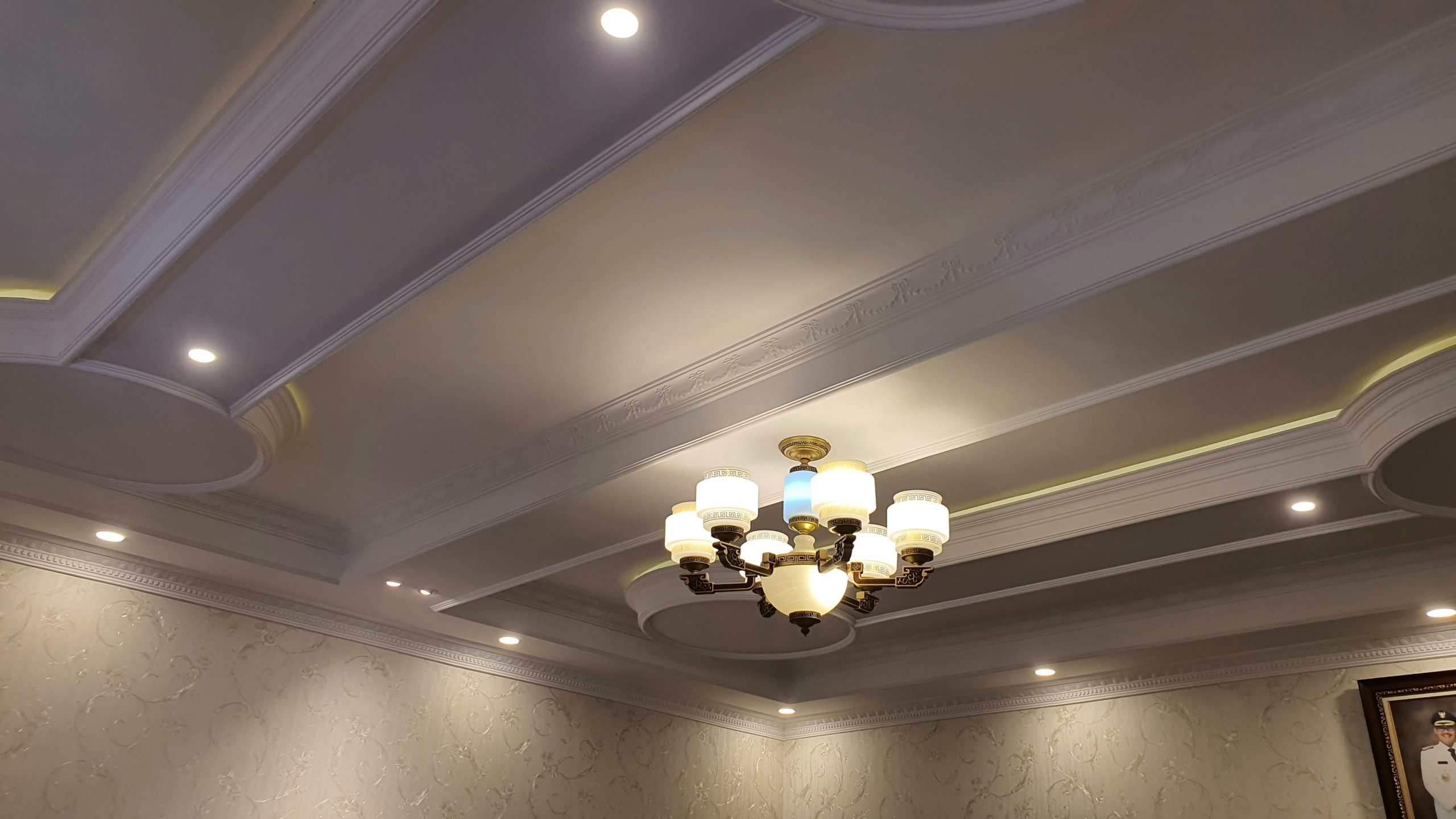
Gypsum installation is the process of using gypsum-based building products to create ceilings, walls, partitions, decorative features and other interior finishes. Gypsum boards are manufactured using gypsum plaster and protective facing materials, making them useful in a variety of interior construction applications.
In Kenya, gypsum is commonly used in residential houses, apartments, commercial buildings, offices, hotels, restaurants and retail spaces. Interior designers and contractors use it to create modern finishes that improve the appearance and functionality of buildings.
Some common gypsum applications include:
- Gypsum ceilings: Used to create smooth ceiling surfaces, suspended ceilings and decorative ceiling designs.
- Gypsum partitions: Used to divide large rooms into smaller functional spaces without constructing conventional masonry walls.
- Decorative ceiling features: Used to create layered ceilings, ceiling borders, curves and recessed designs.
- Lighting features: Used to accommodate concealed LED lighting, cove lighting and selected recessed lighting arrangements.
- Wall finishes: Used to create decorative wall features, panels and interior design elements.
- Bulkheads and pelmets: Used to conceal selected services, curtains and lighting installations.
Understanding these applications helps learners appreciate the different ways gypsum can be incorporated into modern interior spaces.
2. Why Is Gypsum Installation Becoming Popular in Kenya?
The demand for attractive and functional interior spaces has encouraged more property owners to explore different interior finishing solutions. Gypsum has become a popular option because it can accommodate a wide range of designs and architectural styles.
Modern interior designs
Many homeowners prefer contemporary interior designs featuring layered ceilings, concealed lighting, decorative borders and clean wall finishes. Gypsum makes it possible to achieve many of these designs while allowing flexibility in the overall appearance of a room.
Flexible design possibilities
Unlike some traditional finishing methods, gypsum boards can be cut and shaped to accommodate different interior design requirements. Installers can work with straight lines, curves, recesses and decorative patterns depending on the design and the selected materials.
Residential and commercial applications
Gypsum installation is not limited to residential houses. Offices, hotels, schools, shopping centres, restaurants and other commercial establishments also use gypsum ceilings and partitions. This creates opportunities for skilled installers to work on different types of projects.
Interior renovation projects
Property owners regularly renovate their homes and business premises to improve their appearance and functionality. Gypsum can be incorporated into renovation projects involving ceiling replacements, partitioning and decorative interior upgrades.
3. What Will You Learn in a Gypsum Installation Course?
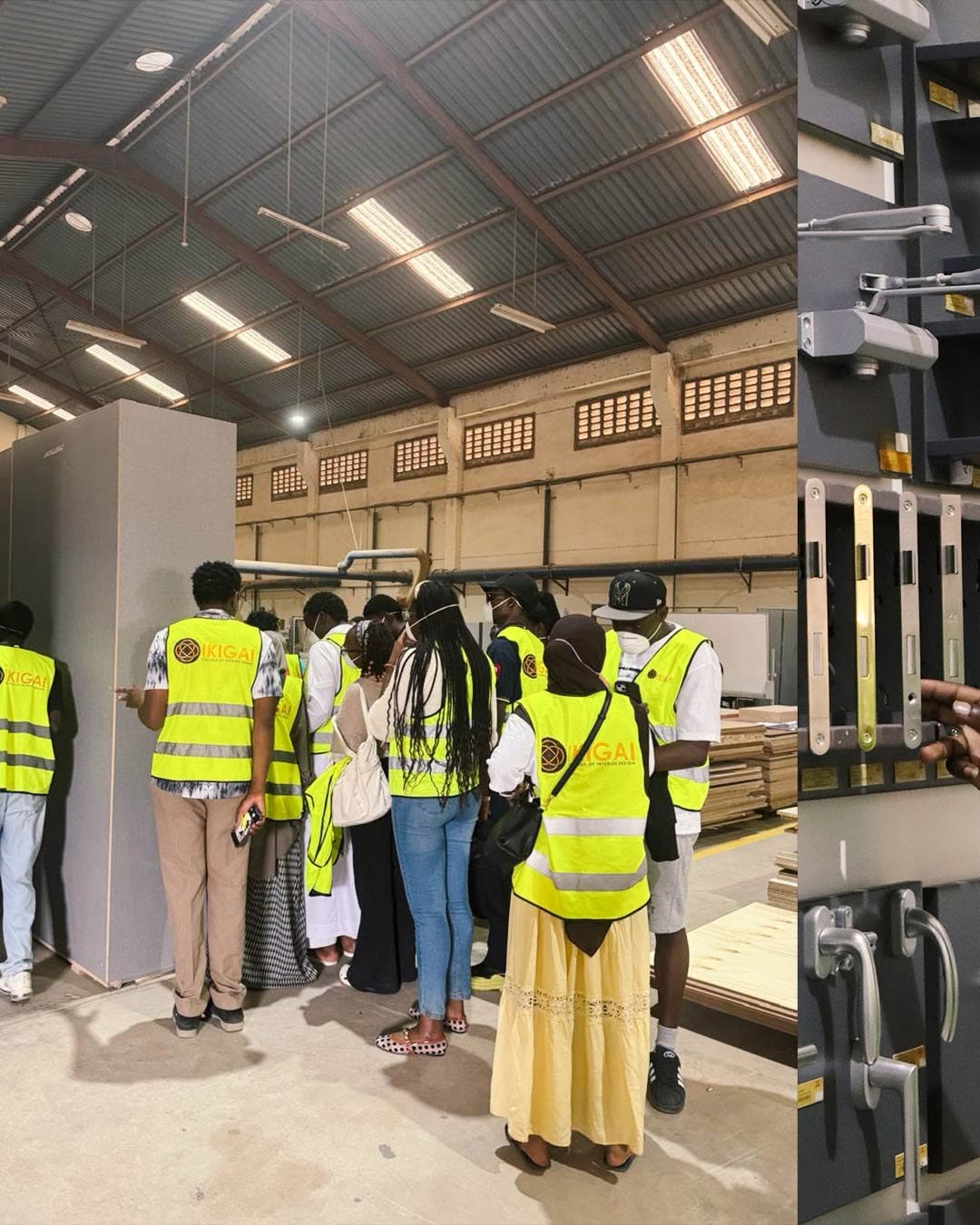
A gypsum installation course introduces learners to the techniques and processes involved in working with gypsum boards and related materials. At Ikigai College, the short course provides an opportunity to develop practical knowledge of gypsum installation and interior finishing.
Some of the important areas learners should understand when training in gypsum installation include the following:
Understanding gypsum materials
Before beginning an installation project, it is important to understand the materials involved. Learners are introduced to gypsum boards, metal framing components, screws, jointing compounds, joint tapes, corner accessories and other installation materials.
They also learn that different gypsum products serve different purposes. For example, moisture-resistant boards may be suitable for certain humid interior applications, while fire-resistant boards are designed for specific fire-performance requirements. The appropriate material should always be selected according to the manufacturer’s specifications and project requirements.
Measurement and setting out
Accurate measurements are essential in gypsum installation. Poor measurements can result in unnecessary material wastage, uneven ceilings and incorrectly positioned partitions.
Learners develop an understanding of how to measure surfaces, establish reference points, mark installation lines and interpret basic working drawings. These skills help ensure that the installation follows the intended design.
Ceiling framework installation
A gypsum ceiling requires an appropriate supporting framework. Depending on the selected ceiling system, this may involve metal channels, perimeter sections, hangers and other supporting components.
Understanding how these components are positioned and secured is important for creating a stable and level ceiling structure. Learners are introduced to the principles of framework alignment, spacing and levelling.
Gypsum board cutting and fixing
Gypsum boards need to be measured and cut to fit the dimensions of a particular ceiling or wall. Installers must understand how to mark cutting lines, use suitable cutting tools and handle boards without damaging their surfaces.
They also need to understand how boards are attached to the supporting framework using appropriate fasteners and installation techniques.
Jointing and surface finishing
Installing gypsum boards is only one part of the process. The joints between boards must also be treated to create a smooth and consistent finish.
This process may involve applying joint tape, jointing compound and finishing materials. Once the materials have dried, the surface can be sanded and prepared for painting or other decorative finishes.
Decorative gypsum designs
Decorative work allows installers to combine technical skills with creativity. Different ceiling designs can incorporate recessed sections, layered surfaces, curves, borders and lighting features.
Understanding these design possibilities helps learners appreciate how gypsum can contribute to the overall interior appearance of a building.
4. Tools and Materials Used in Gypsum Installation
Professional gypsum installation requires the correct tools and materials. Using suitable equipment improves accuracy, efficiency and the quality of the finished work.
Some commonly used tools include:
- Measuring tape: Used to determine the dimensions of ceilings, walls and gypsum boards.
- Spirit level or laser level: Used to establish straight and level reference lines.
- Utility knife: Used for scoring and cutting gypsum boards.
- Drywall screwdriver: Used to fasten gypsum boards to the supporting framework.
- Electric drill: Used for drilling holes and securing selected framework components.
- Chalk line: Used to mark straight installation lines.
- Jointing knife: Used to apply jointing compound.
- Sanding tools: Used to smooth jointed surfaces before decoration.
- Safety equipment: Includes protective eyewear, dust masks, gloves and appropriate work clothing.
Common installation materials include gypsum boards, galvanized metal channels, screws, hanger wires, joint tape, jointing compound and finishing products.

5. Understanding the Gypsum Installation Process
Although installation techniques vary depending on the design and ceiling or partition system, most projects follow a series of basic stages.
Step 1: Site assessment and measurement
The installer first examines the space to determine the dimensions, condition of the existing surfaces and requirements of the project. Measurements are taken to establish the amount of material needed and the layout of the installation.
Step 2: Planning and marking
Reference lines are marked to guide the installation. The installer determines the required ceiling level, framework positions and locations of relevant design features.
Step 3: Installing the supporting framework
The appropriate framework is installed according to the selected system and design specifications. This may involve perimeter channels, main channels, cross channels and supporting hangers. Proper alignment and secure fixing are important at this stage.
Step 4: Cutting and fixing gypsum boards
Gypsum boards are measured, cut and attached to the supporting framework using suitable fasteners. Careful positioning helps minimize unnecessary gaps and material wastage.
Step 5: Jointing and finishing
Joints and screw heads are treated using appropriate jointing materials. The surface is allowed to dry before additional finishing work is carried out. Sanding helps create a smooth surface suitable for decoration.
Step 6: Final inspection and decoration
The completed installation is inspected to identify imperfections and ensure that the finish meets the project requirements. Painting and other decorative treatments can then be undertaken where specified.
Installers must follow the relevant manufacturer’s installation instructions, use suitable access equipment and observe workplace safety requirements throughout the process.
For additional technical information, see the USG gypsum board installation guide and the Gypsum Association application and finishing recommendations.
6. Who Should Enroll for a Gypsum Installation Course?
Gypsum installation is a practical skill that can benefit people with different educational and professional backgrounds. You do not necessarily need to be an experienced construction professional to develop an interest in this area.
The short course at Ikigai College is worth considering if you belong to any of the following groups:
- KCSE graduates and school leavers: Young people interested in acquiring practical skills that can support future employment or self-employment.
- Construction workers: Individuals who want to expand their existing knowledge of building and interior finishing.
- Interior design enthusiasts: People interested in understanding how decorative ceilings and gypsum features are created.
- Artisans: Skilled workers who want to improve their knowledge of modern gypsum installation techniques.
- Entrepreneurs: Individuals interested in starting a gypsum installation or interior finishing business.
- Property maintenance professionals: People involved in renovation, maintenance and improvement of residential or commercial buildings.
7. Career Opportunities After Learning Gypsum Installation
Acquiring gypsum installation skills can open up different opportunities within the construction, renovation and interior design industries. As more people invest in improving their interior spaces, there is a need for workers who understand modern finishing techniques.
Some possible career and business opportunities include:
Gypsum installer
Gypsum installers work on ceilings, partitions and decorative features in residential and commercial buildings. Their responsibilities may include measuring surfaces, preparing frameworks, fixing boards and completing finishing work.
Ceiling installation specialist
Individuals can specialize in installing suspended ceilings, decorative ceilings, recessed designs and other gypsum ceiling systems. Developing expertise in a particular area can help installers establish a professional reputation.
Interior finishing technician
Gypsum installation skills can complement other interior finishing activities. Technicians may work alongside painters, interior designers, contractors and other building professionals to complete interior projects.
Self-employment and entrepreneurship
One attractive opportunity is starting a small gypsum installation business. With the necessary practical skills, tools, experience and business knowledge, an individual can offer installation and finishing services to homeowners, contractors and property developers.
Working with construction companies
Construction and renovation companies may require workers with gypsum installation knowledge when completing interior finishing projects. Training in this area can therefore complement other construction-related qualifications and work experience.
8. Can You Start a Gypsum Installation Business in Kenya?
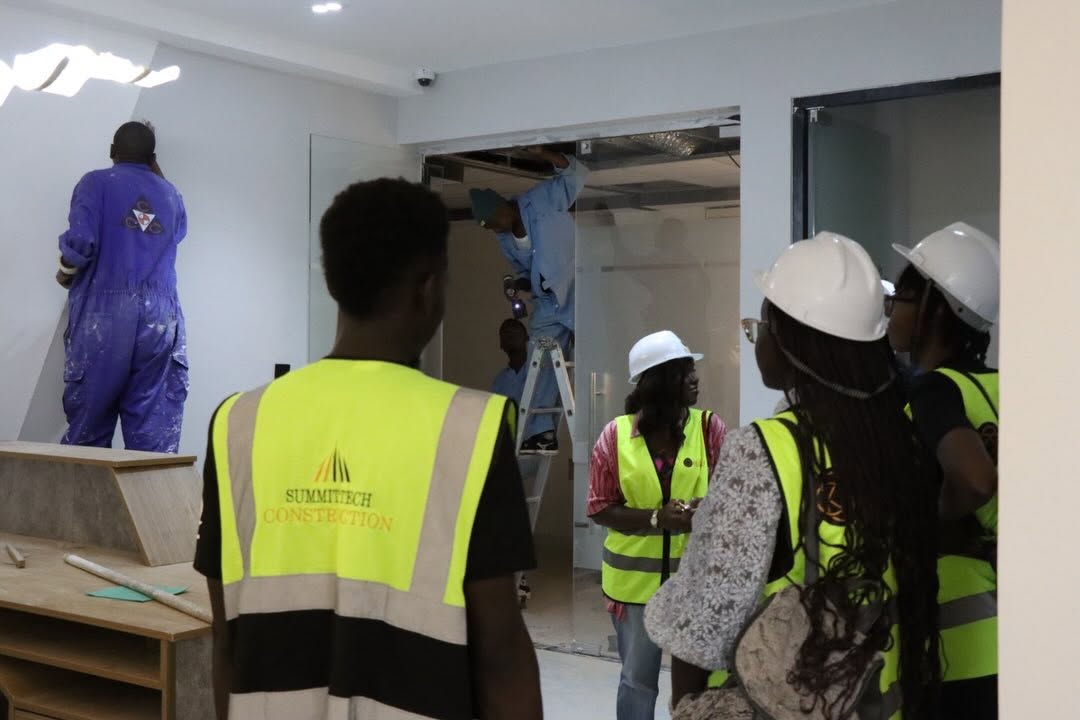
Yes. Gypsum installation can provide a foundation for starting a small business in the construction and interior finishing industry. However, successful entrepreneurship requires more than knowing how to fix gypsum boards.
Anyone interested in starting a gypsum installation business should consider developing the following areas:
- Technical competence: Understand installation techniques, finishing methods and different gypsum applications.
- Tools and equipment: Invest in essential installation tools and appropriate safety equipment.
- Material sourcing: Develop relationships with reliable suppliers of gypsum boards, metal channels and installation accessories.
- Cost estimation: Learn how to calculate material quantities, labor requirements, transportation and other project expenses.
- Customer service: Communicate effectively with clients and understand their design expectations.
- Portfolio development: Take photographs of completed projects to demonstrate the quality of your work to potential customers.
Starting with smaller projects can help new installers gain experience before taking on larger assignments. Over time, a reliable portfolio and good workmanship can help build customer confidence and generate referrals.
9. Why Study Gypsum Installation at Ikigai College?
Choosing the right training institution is an important step when developing practical career skills. At Ikigai College of Interior Design, we recognize the importance of equipping learners with knowledge that can be applied in real working environments.
Our Gypsum Installation short course provides an opportunity to explore the techniques involved in gypsum work and interior finishing.
Here are some reasons to consider training with us:
- Practical skills development: Learn about the materials, tools and techniques involved in gypsum installation.
- Career-oriented learning: Develop skills relevant to construction, renovation and interior finishing projects.
- Interior design environment: Study within an institution that focuses on creative and built-environment-related training.
- Short-course opportunity: Explore a specialized skill without necessarily committing to a longer diploma or certificate program.
- Further learning opportunities: Explore other programs offered at Ikigai College, including Interior Design and related courses.
To explore our available short courses, visit the Ikigai College Short Courses page.

10. How to Enroll for the Gypsum Installation Short Course at Ikigai College
If you are interested in learning gypsum installation, taking the first step towards practical training can help you develop a useful skill for the construction and interior design industry.
At Ikigai College, we encourage individuals who are passionate about creativity, construction and interior finishing to explore our short-course opportunities.
To get started:
- Visit the Ikigai College Short Courses page.
- Review the available short-course information.
- Contact the college to confirm the current course duration, fees, intake dates and entry requirements.
- Complete the application process and prepare to begin your training.
You can also visit our Admissions page or proceed to the online application form.
Take the next step towards acquiring practical skills. Enroll for the Gypsum Installation short course at Ikigai College and explore the possibilities within the construction and interior finishing industry.
Conclusion
Gypsum installation is an important skill within modern construction and interior finishing. From decorative ceilings and partitions to contemporary wall features, gypsum offers numerous possibilities for improving interior spaces.
For individuals interested in acquiring practical skills, a Gypsum Installation short course can be a valuable starting point. It provides an opportunity to understand the materials, tools and techniques used in gypsum work while exploring potential career and business opportunities.
At Ikigai College of Interior Design, we invite you to explore our Gypsum Installation short course and take a step towards developing practical skills for the construction and interior design industry.
Interested in learning gypsum installation? Apply to Ikigai College today.
Frequently Asked Questions About Gypsum Installation Courses in Kenya
1. Where can I study a gypsum installation course in Kenya?
You can explore gypsum installation training at Ikigai College of Interior Design, which offers Gypsum Installation as a short course. Contact the college directly for the latest information about enrollment, fees and course schedules.
2. What is taught in a gypsum installation course?
A gypsum installation course introduces learners to gypsum boards, installation materials, measurement, cutting, ceiling frameworks, board fixing, jointing and surface finishing. It also helps learners understand the different applications of gypsum in interior spaces.
3. Do I need construction experience to learn gypsum installation?
Previous construction experience can be helpful, but an interest in practical work and interior finishing is a good starting point. Contact Ikigai College to confirm the entry requirements for the short course.
4. How long does a gypsum installation course take in Kenya?
The duration depends on the training institution and course structure. For the current duration of the Gypsum Installation short course at Ikigai College, contact the admissions office directly.
5. Can I start my own business after studying gypsum installation?
Yes. The skills acquired can provide a foundation for starting a gypsum installation business. However, you will also need practical experience, suitable tools, business planning, customer service skills and knowledge of project costing.
6. What is the difference between gypsum ceilings and ordinary ceilings?
Gypsum ceilings use gypsum boards or related gypsum-based products installed on an appropriate supporting system. They allow different decorative designs, including layered ceilings and recessed lighting features. Other ceiling systems may use timber, PVC, metal or different materials.
7. What tools are needed for gypsum installation?
Common tools include measuring tapes, spirit levels, utility knives, drills, drywall screwdrivers, chalk lines, jointing knives and sanding equipment. The exact tools required depend on the type of installation.
8. Is gypsum installation a good skill to learn in Kenya?
Gypsum installation is a useful practical skill for people interested in construction, renovation and interior finishing. It can support employment opportunities and self-employment, particularly when combined with experience and good workmanship.
9. How do I enroll for the Gypsum Installation short course at Ikigai College?
Visit the Ikigai College Short Courses page or use our online application form to begin the enrolment process.

No Responses