
TVET accredited Interior Design colleges in Kenya: Where Can You Study?
Choosing from the top accredited Interior Design TVET colleges is an important decision for anyone hoping to build a career in the creative and built-environment industries. Across Kenya, demand for well-designed residential homes, offices, hotels, restaurants, retail outlets and commercial spaces continues to create opportunities for people with professional design skills.
However, finding the right institution requires more than identifying a college that advertises an Interior Design course. You need to consider the qualification offered, the quality of practical training, the experience of trainers, learning facilities and the recognition of the program.
Fortunately, students do not have to limit their search to Nairobi. Several institutions in different parts of Kenya provide Interior Design training or related programs. Whether you live in Nairobi, Nakuru, Machakos or Kiambu County, there are options before making your final decision.
In this guide, we explore some of the TVET accredited Interior Design colleges in Kenya, the training pathways available and the important factors to consider when choosing where to pursue your studies.

Colleges Offering Interior Design in Kenya: Quick Comparison
The following institutions provide a starting point for students researching Interior Design education in different parts of the country. Their program offerings and qualification levels may differ, so contact the respective admissions offices before applying.
| College | Location | Interior Design Training |
|---|---|---|
| Ikigai College of Interior Design | Nairobi CBD | Certificate and Diploma |
| Buruburu Institute of Fine Arts | Buruburu, Nairobi | TVET-CDACC Levels 5 and 6 |
| Nairobi Institute of Technology | Westlands, Nairobi | Interior Design training |
| NIBS Technical College | Nairobi | Interior Design training |
| Sanuk College of Arts and Design | Westlands, Nairobi | Design-related training; confirm current Interior Design intake |
| Evelyne College of Design | Lavington, Nairobi | Interior Design and creative training |
| Musketeers Institute of Science and Technology (MIST) | Nakuru | Certificate in Interior Design and Level 5 |
| Jodan College of Technology | Thika, Kiambu County | Interior Design Levels 4, 5 and 6 |
| KISS College | Machakos | Interior Design training |
It is important to distinguish between an institution’s registration and approval to offer a particular course. Before enrolling, check both details through the TVETA accredited institutions register and confirm the current program with the college.
Understanding accredited Interior Design TVET colleges in Kenya
Before comparing different Interior Design colleges in Kenya, students should understand the role of the Technical and Vocational Education and Training Authority (TVETA).
TVETA is responsible for regulating and coordinating technical and vocational training institutions in Kenya. Its mandate includes registering and licensing institutions, accrediting programs and maintaining standards within the TVET sector.
When researching a college, visit the official TVETA website and search for its registered name. Check whether its registration status is current and whether the specific Interior Design program is approved.
Also establish which examining or awarding body is responsible for your qualification. Depending on the program, this may involve TVET-CDACC, KNEC, NITA or another recognized examining body.
These checks help students avoid choosing a course based entirely on advertising claims without understanding the qualification they will receive.
Top TVET accredited Interior Design colleges in Kenya
Nairobi remains an important destination for students interested in creative and professional training. Its growing property sector, commercial developments, hospitality industry and furniture market provide a relevant environment for studying Interior Design.
1. Ikigai College of Interior Design
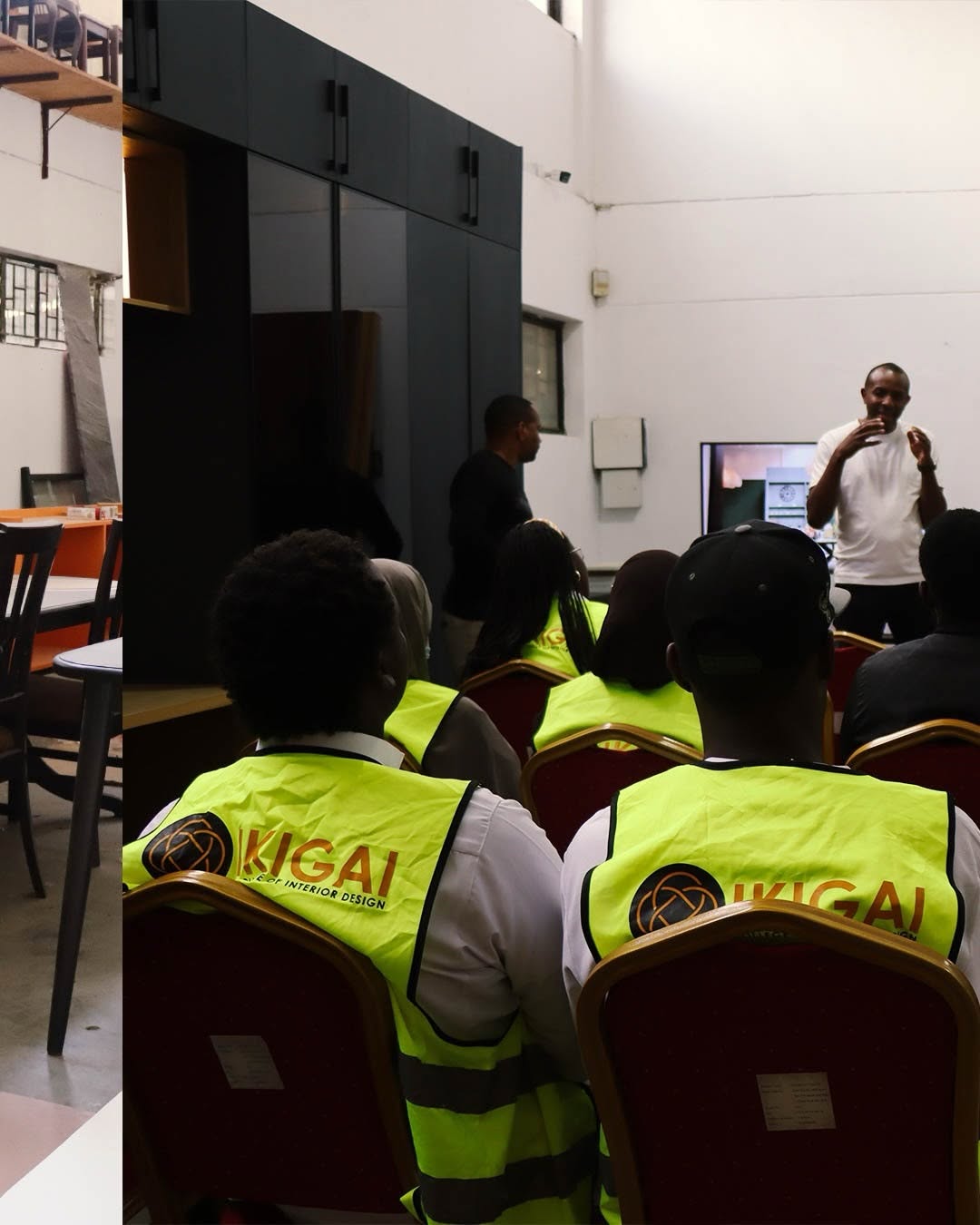
Ikigai College of Interior Design is located at Cianda House along Koinange Street in Nairobi CBD. The institution focuses on creative and built-environment education, with Interior Design among its core programs.
We provide Certificate and Diploma pathways for students interested in developing professional skills in interior space planning, furniture and fittings, design concepts, materials, finishes and other areas of the discipline.
Our approach places considerable emphasis on practical learning. Interior Design requires more than an understanding of artistic principles. Students must be able to translate ideas into functional spaces while considering dimensions, human activities, furniture arrangements, lighting and the appropriate use of materials.
Through practical assignments and design projects, learners have opportunities to develop their creativity and build portfolios that demonstrate their capabilities.
Our Nairobi CBD location also gives students access to an environment surrounded by commercial buildings, furniture businesses, offices, material suppliers and other activities connected to the design industry.
Students interested in joining can explore our admissions information or proceed to the online application form.
2. Buruburu Institute of Fine Arts (BIFA)
Buruburu Institute of Fine Arts is situated along Mumias South Road in Buruburu, Nairobi. It is a technical and vocational institution with a strong emphasis on visual arts and creative disciplines.
The college offers Interior Design training through the TVET-CDACC competency-based curriculum. Its program includes Level 5 and Level 6 pathways.
Some of the competencies covered include conceptualizing interior designs, communicating through technical drawings, interior finishing, developing soft furnishings and accessories, furniture and fittings, and managing design projects.
BIFA may appeal to students who want to develop their creative abilities in an environment where different artistic disciplines are taught. The institution also offers programs in areas such as Graphic Design, Fashion Design and Fine Art.
Prospective learners can visit the BIFA Interior Design course page for further details.
3. Nairobi Institute of Technology (NIT)
Nairobi Institute of Technology is located along Westlands Road in Nairobi. The institution is among the best TVET accredited Interior Design colleges as it provides technical and creative education, making it another college prospective students may investigate when comparing Interior Design training opportunities.
Interior Design combines artistic thinking with technical knowledge. Learning in an institution that offers different technical and design disciplines can help students appreciate the relationship between interior spaces, building elements and other aspects of the built environment.
Students should contact the institution to confirm the current Interior Design course structure, entry qualifications, duration and available progression pathways.
4. NIBS Technical College
NIBS Technical College is another institution worth considering when researching Interior Design courses in Nairobi.
Unlike specialist design institutions, NIBS offers training across several technical and professional disciplines. Its Interior Design program provides a pathway for learners interested in developing skills associated with planning and improving indoor environments.
Areas to explore include space planning, technical drawing, furniture selection, color coordination, materials, finishes and interior decoration.
Contact the admissions department for the latest course levels, examining arrangements and entry requirements before applying.
5. Evelyne College of Design
Evelyne College of Design is situated in Lavington, Nairobi. It is another institution students can explore when exploring specialist creative education.
Interior Design is a discipline that requires imagination, visual communication and an understanding of how people interact with their surroundings. A design-focused learning environment can provide opportunities for students to develop these abilities.
Prospective students should request the current Interior Design program details, including the qualification offered and the examining body.
6. Sanuk College of Arts and Design
Sanuk College of Arts and Design is located in the Westlands area of Nairobi. The institution is associated with creative and design education.
Students exploring design-related training can look at the programs available at Sanuk and ask whether an Interior Design intake is currently available. It is particularly important to establish the exact course qualification rather than assuming that every design-related program leads to an Interior Design certificate or diploma.
Interior Design Colleges Outside Nairobi
Students living outside Nairobi also have opportunities to pursue their interest in Interior Design. Studying closer to home can reduce commuting expenses, accommodation costs and the challenges associated with relocating to the capital.
Here are some institutions outside Nairobi that prospective students can Explore.
7. Musketeers Institute of Science and Technology (MIST) – Nakuru

Musketeers Institute of Science and Technology (MIST) is based in Nakuru and offers training across several technical and vocational disciplines.
One of its relevant departments is the School of Fashion and Interior Design, which provides Interior Design training.
The institution lists a Certificate in Interior Design as well as an Interior Design Level 5 program. Its published course information identifies the certificate program as an entry pathway for learners interested in acquiring foundational design knowledge and practical skills.
Students can navigate topics associated with interior space planning, creative concepts, materials and the practical requirements of designing functional indoor environments.
For learners based in Nakuru and neighboring counties, MIST provides an alternative to travelling to Nairobi for Interior Design training.
Visit the Certificate in Interior Design course page or the Interior Design Level 5 course page for program information.
8. Jodan College of Technology – Thika
Jodan College of Technology is located in Thika, Kiambu County. Its location makes it an option for students from Thika, Ruiru, Juja and other surrounding areas who are looking for vocational training outside Nairobi.
The college lists several Interior Design qualifications under the TVET-CDACC curriculum. These include Interior Design Levels 4, 5 and 6, as well as Interior Design Finishing Level 5 and Soft Furnishing Level 5.
This range of pathways is worth exploring because Interior Design involves several interconnected skills. Apart from developing concepts and planning spaces, designers must understand finishing techniques, furniture, accessories and the materials used to complete an interior project.
Students can contact the college to establish the entry requirements and progression opportunities associated with each qualification.
For additional details, visit the Jodan College School of Interior Design.
9. KISS College – Machakos
KISS College, also known as the Kenya Institute of Social Sciences, has its main campus in Machakos. It provides vocational and technical training in different professional areas.
The college lists Interior Design under its School of Fashion and Interior Design. Its published program information identifies NITA as the examination body for the Interior Design course.
This makes the institution relevant for students in Machakos and surrounding areas who would prefer to study outside Nairobi.
Before applying, learners should contact the admissions department to establish the current course level, duration, admission requirements and assessment arrangements.
Visit the KISS College programs page for additional information.
Certificate or Diploma in Interior Design: Which Should You Choose?

When comparing Interior Design colleges in Kenya, you will encounter different qualification levels. Some institutions advertise certificates and diplomas, while others use the TVET competency-based levels such as Level 4, Level 5 and Level 6.
Understanding these pathways will help you choose a program that matches your educational background and career ambitions.
Certificate in Interior Design
A certificate program provides a foundation for students entering the Interior Design profession. It introduces the fundamental principles used to organize and improve interior spaces.
Learners may develop an understanding of color, design elements, furniture arrangement, basic technical drawing, materials and the relationship between people and their surroundings.
Certificate training can be a suitable starting point for beginners who want to develop practical skills before progressing to more advanced studies.
Diploma in Interior Design
A diploma pathway provides more extensive preparation for students interested in professional design practice.
Depending on the curriculum, learners may work on complex residential and commercial design projects, technical drawings, furniture specifications, interior finishing, digital visualization and project management.
Students should establish whether the diploma is offered directly or through progression from a lower qualification. They should also confirm the entry requirements and duration with their preferred college.
Understanding TVET Levels 4, 5 and 6
Kenya’s competency-based TVET framework uses different qualification levels to organize training and progression. In general, Level 4 provides an earlier vocational pathway, Level 5 offers more developed occupational competencies, while Level 6 represents a higher level of technical and professional competence.
However, the appropriate entry point depends on the specific curriculum and the learner’s qualifications. Ask the college how its program is structured and what opportunities are available after completing each level.
Important Skills You Should Gain from Best TVET accredited Interior Design colleges in Kenya
A good Interior Design education should equip students with practical abilities that can be applied to actual projects. When evaluating colleges, pay attention to the competencies covered in their programs.
1. Space Planning and Layout Development
Space planning involves organizing rooms and other indoor environments to make them functional, comfortable and visually appealing. Students learn how to consider measurements, circulation, furniture placement and the intended use of a space.
2. Technical Drawing and Design Communication
Interior designers must communicate their ideas to clients, contractors and other professionals. Technical drawing helps translate creative concepts into understandable plans and specifications.
3. Color, Materials and Finishes
Students learn how different colors, textures, finishes and materials influence the appearance and functionality of an interior. They also consider durability, maintenance and the suitability of materials for particular environments.
4. Furniture and Fittings
Furniture plays a major role in the organization of indoor spaces. Learners should understand furniture selection, fittings, dimensions, ergonomics and how different pieces contribute to the overall design.
5. Computer-Aided Design and Visualization
Modern designers increasingly rely on digital tools to prepare drawings and present concepts. Knowledge of appropriate design software can improve the way students communicate their proposals and prepare for professional practice.
6. Project Development and Portfolio Building
Practical assignments allow learners to combine their knowledge into complete design proposals. A portfolio containing selected projects can help graduates demonstrate their abilities when applying for employment or approaching potential clients.
Career Opportunities After Studying Interior Design in Kenya
Interior Design offers different career directions depending on an individual’s interests, practical abilities and professional experience.
After completing their training, graduates can explore opportunities in:
- Residential Interior Design
- Commercial and Office Interior Design
- Hospitality and Hotel Design
- Furniture Design and Production
- Interior Decoration and Styling
- Space Planning and Layout Development
- Kitchen and Bathroom Design
- Retail and Exhibition Design
- Lighting Consultancy
- Freelance Interior Design and Entrepreneurship
Kenya’s construction, real estate, hospitality and property development industries provide different environments in which design skills can be applied. Graduates can also build independent businesses offering services to homeowners, property developers and commercial clients.
However, professional success depends on more than obtaining a qualification. Practical experience, technical competence, creativity, communication skills and a strong portfolio are important when building a career.
How to Select the Right Interior Design College
With different institutions available across Kenya, making a decision can be challenging. Instead of choosing a college because it is popular or conveniently located, compare the actual learning opportunities available.
Consider the following questions when visiting your shortlisted institutions:
- Is the institution currently registered and licensed by TVETA?
- Is the specific Interior Design program approved?
- Which examining or awarding body will issue the qualification?
- Does the college offer Certificate, Diploma or competency-based levels?
- How much practical training is included?
- Are students taught relevant Interior Design software?
- Does the institution provide suitable studios, equipment and learning facilities?
- Will students complete projects that can form part of a professional portfolio?
- Are there opportunities for industrial attachment or industry exposure?
- What are the total fees and additional learning expenses?
It is also advisable to visit the college before making a final decision. Seeing the learning environment and speaking with admissions staff can help you understand what to expect during your studies.
Why Studying in Interior Design TVET colleges is Valuable
Interior Design is relevant to more than residential decoration. Businesses, institutions and property owners need spaces that support their activities while providing comfort, efficiency and an appealing appearance.
Offices require functional work environments. Hotels and restaurants need attractive spaces that improve customer experiences. Retail businesses depend on effective layouts and product displays, while homeowners increasingly pay attention to the organization and appearance of their living spaces.
These different requirements create opportunities for designers with the appropriate technical and creative skills.
Additionally, Interior Design offers room for entrepreneurship. Graduates who gain experience can establish design consultancies, provide freelance services, work with furniture suppliers or specialize in particular areas of the industry.
For students with an interest in creativity, problem-solving and transforming spaces, pursuing professional training can be a meaningful step towards a career in this field.
Where Should You Study Interior Design in Kenya?
The best institution for you depends on your preferred location, educational background, budget and career goals.
Students in Nairobi can explore institutions such as Ikigai College of Interior Design, Buruburu Institute of Fine Arts, Nairobi Institute of Technology and NIBS Technical College. Those based outside the capital can explore MIST in Nakuru, Jodan College of Technology in Thika and KISS College in Machakos.
Each institution has its own program structure and learning environment. Therefore, compare the actual qualifications and practical opportunities instead of relying entirely on the institution’s name or advertising.
Most importantly, confirm the current registration and course approval details before paying any fees.
Start Your Interior Design Journey at Ikigai College

If you are looking for an institution in Nairobi where you can develop your creative abilities and prepare for a career in Interior Design, we invite you to explore Ikigai College of Interior Design.
We offer Certificate and Diploma pathways designed to help students develop the knowledge and practical competencies required in the design industry. Our learning approach emphasizes hands-on training, creative development and the application of design principles to real-life spaces.
Whether you are a recent KCSE graduate or someone looking to develop new professional skills, our admissions team can help you understand the available programs and entry requirements.
Visit our Admissions page to learn more about joining Ikigai College. You can also complete your application through our online application form.
Frequently Asked Questions About Interior Design Colleges in Kenya
1. Which TVET accredited Interior Design colleges in Kenya offer Interior Design Programs?
Some institutions to investigate include Ikigai College of Interior Design, Buruburu Institute of Fine Arts, Nairobi Institute of Technology, NIBS Technical College, Musketeers Institute of Science and Technology in Nakuru, Jodan College of Technology in Thika and KISS College in Machakos.
2. Can I study Interior Design outside Nairobi?
Yes. Institutions outside Nairobi include MIST in Nakuru, Jodan College of Technology in Thika and KISS College in Machakos. Check their current admission information to establish the available qualifications.
3. Which college offers Interior Design in Nakuru?
Musketeers Institute of Science and Technology (MIST) in Nakuru lists Certificate in Interior Design and Interior Design Level 5 programs. Visit its official website for course information.
4. Is Interior Design offered at diploma level in Kenya?
Yes. Some institutions provide diploma-level or Level 6 Interior Design pathways. For example, BIFA lists Level 6 training, while Jodan College lists Interior Design Level 6. Confirm the entry requirements and current intake with each institution.
5. What is the difference between Interior Design Level 5 and Level 6?
Level 5 is an intermediate occupational qualification, while Level 6 involves more advanced competencies and professional responsibilities. The actual course content and progression requirements depend on the approved curriculum.
6. Can I pursue Interior Design with a low KCSE grade?
Entry requirements differ between colleges and qualification levels. Some certificate and lower-level programs may have more flexible entry requirements than diploma programs. Contact your preferred institution for the current admission criteria.
7. How can I confirm whether an Interior Design college is accredited?
Visit the TVETA accredited institutions register. Search for the institution, check its registration status and establish whether the specific course is approved.
8. What jobs can I get after studying Interior Design?
Graduates can explore opportunities in residential design, commercial interiors, office planning, furniture design, interior decoration, hospitality design and freelance consultancy. Practical experience and a strong portfolio can improve employment and business opportunities.
9. Does Ikigai College offer Certificate and Diploma courses in Interior Design?
Yes. Ikigai College offers Certificate and Diploma pathways in Interior Design. Interested students can visit the admissions page or complete the online application form.

No Responses