

10 Factors to Consider When Choosing an Interior Design College in Kenya
Choosing the right Interior Design College in Kenya is one of the most important decisions for anyone planning to pursue a career in interior design. Kenya’s construction, real estate, hospitality, and commercial sectors continue to grow rapidly, creating increasing demand for qualified interior designers who can transform residential and commercial spaces into functional, beautiful, and sustainable environments.
However, not all colleges provide the same quality of education, practical training, or career support. Before enrolling in any Interior Design Course in Kenya, it is essential to evaluate several important factors that will influence your learning experience and future career opportunities.
This guide discusses the key factors every student should consider when selecting an interior design college in Kenya.
1. Accreditation and Recognition
The first thing to verify is whether the institution is properly accredited and recognized by the relevant education authorities in Kenya. Accreditation ensures that the college meets acceptable academic standards and that employers recognize your qualifications. Most colleges are accredited by
TVETA,a body that ensures that colleges meets industry requirements.
A recognized college also gives students confidence that the curriculum follows industry requirements and prepares graduates for professional practice.
Why it matters
- Your certificate or diploma will have greater credibility.
- Employers prefer graduates from recognized institutions.
- You can continue with higher education more easily.
- The quality of education is generally more reliable.
2. Course Curriculum
A quality Interior Design College in Kenya should offer a modern curriculum that balances creativity with technical knowledge. Interior design is much more than decorating rooms as it involves planning spaces, understanding building materials, furniture design, lighting, ergonomics, sustainability, and client communication. To learn more about approved course curriculum, visit TVET-CDACC Official Website or pay an in-person visit to their offices
Look for programs that include:
- Space Planning
- Furniture Design
- Colour Theory
- Interior Materials
- Lighting Design
- Computer-Aided Design (CAD)
- 3D Visualization
- Building Services
- Professional Practice
A comprehensive curriculum prepares students for diverse career opportunities after graduation.
3. Practical Training Opportunities
Interior design is a hands-on profession. The best colleges combine classroom learning with practical projects, workshops, studio work, and real-life assignments.
Students should have opportunities to:
- Create design portfolios.
- Develop floor plans.
- Design furniture.
- Work on residential projects.
- Complete commercial interior projects.
- Participate in exhibitions.
Practical experience helps students build confidence while developing industry-ready skills.
4. Qualified Lecturers
Experienced lecturers make a significant difference in the quality of education. Look for colleges whose instructors possess both academic qualifications and industry experience.
Professional designers can share practical insights, current industry trends, and real-world challenges that students may encounter after graduation.
5. Availability of Modern Design Software
Technology plays a vital role in modern interior design. Employers increasingly expect graduates to understand digital design software.
A good college should expose students to software such as:
- AutoCAD
- SketchUp
- Revit
- Adobe Photoshop
- Adobe Illustrator
- Lumion
- 3Ds Max
Learning these tools improves employability and allows students to produce professional design presentations.
6. Industry Attachments and Internship Opportunities
Internships bridge the gap between classroom learning and professional practice. Colleges that have partnerships with interior design firms, construction companies, furniture manufacturers, and architectural firms provide valuable exposure.
Students gain practical experience while building professional networks that may lead to future employment.
7. College Facilities and Learning Environment
The learning environment contributes significantly to student success. Visit the campus before enrolling and assess the available facilities.
Consider whether the college provides:
- Design studios
- Computer laboratories
- Material libraries
- Furniture workshops
- Drawing rooms
- Reliable internet access
- Modern classrooms
Well-equipped facilities create a more engaging learning experience.
8. Career Support Services
The best Interior Design Colleges in Kenya continue supporting students even after graduation.
Career support may include:
- Portfolio development.
- CV writing.
- Interview preparation.
- Internship placement.
- Job placement assistance.
- Entrepreneurship training.
These services can significantly improve your chances of securing employment after completing your studies.
9. Tuition Fees and Value for Money
Cost is an important consideration, but students should avoid choosing a college based solely on low tuition fees.
Instead, compare what each institution offers in terms of facilities, practical training, software access, industry exposure, and graduate success.
Sometimes paying slightly more provides substantially greater long-term value.
10. Student Reviews and Graduate Success Stories
Before making your final decision, research student testimonials and alumni achievements.
Positive reviews often indicate quality teaching, supportive lecturers, and strong industry connections.
Successful graduates working in interior design firms, architecture companies, hospitality, or running their own businesses demonstrate the effectiveness of the training program.
Career Opportunities After Studying Interior Design
Graduating from a reputable Interior Design College in Kenya opens doors to numerous career paths such as;
- Interior Designer
- Furniture Designer
- Kitchen Designer
- Lighting Consultant
- Exhibition Designer
- Retail Space Designer
- Commercial Interior Designer
- Residential Interior Designer
- CAD Technician
- Design Consultant
- Entrepreneur
With experience, many graduates establish successful interior design businesses or work as freelance consultants.
Why Ikigai College is an Excellent Choice
If you are looking for a reputable Interior Design College in Kenya, Ikigai College provides students with practical skills, experienced instructors, industry-relevant training, and a curriculum designed to meet current market demands. Click Here to Learn More about the college. Most importantly, the college is guided by Kenya’s educational bodies such as TVETA, TVET-CDACC, and KNQA to ensure quality education.
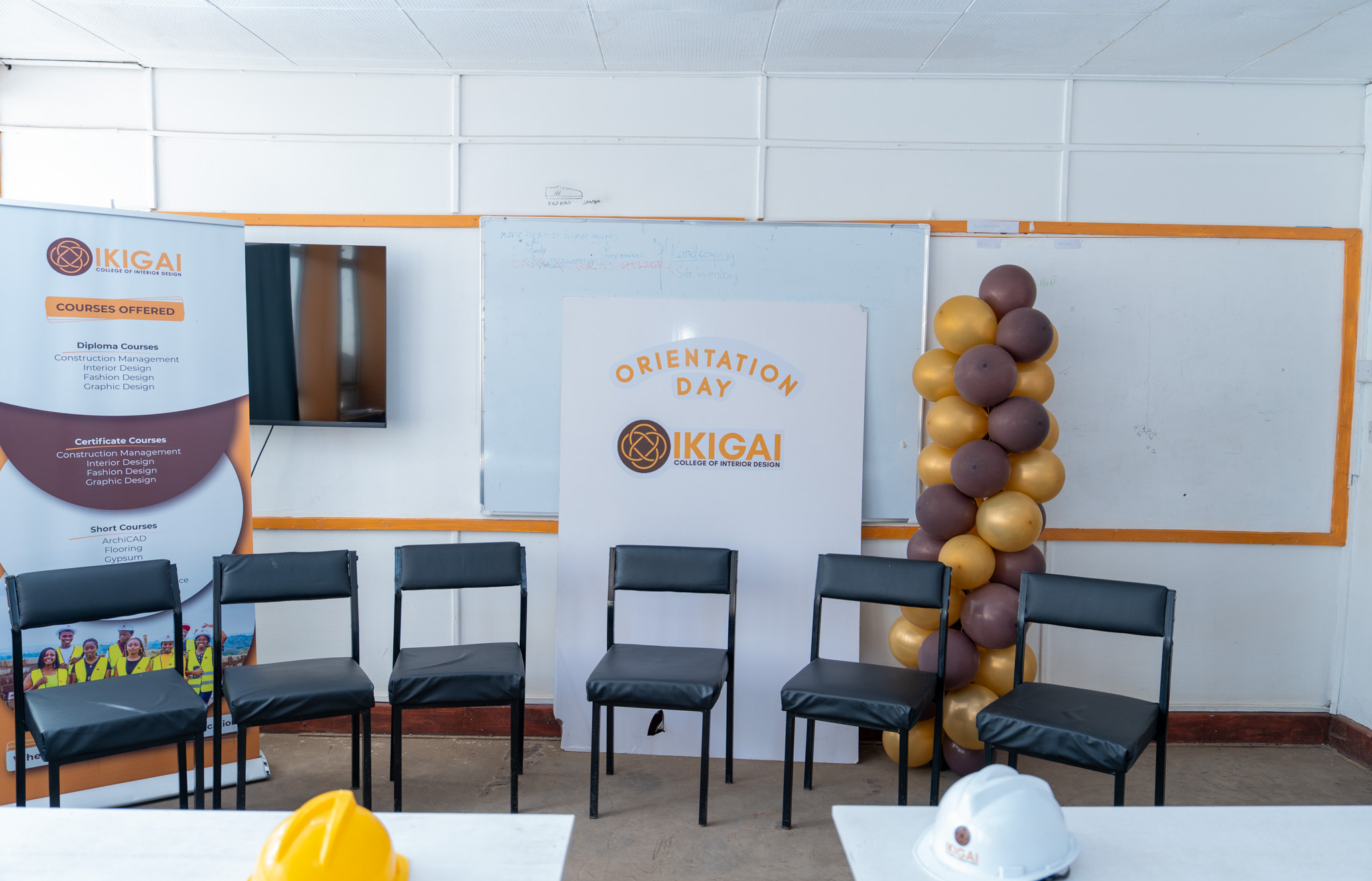
Students benefit from project-based learning, exposure to modern design software, and opportunities to develop professional portfolios that showcase their creativity and technical competence.
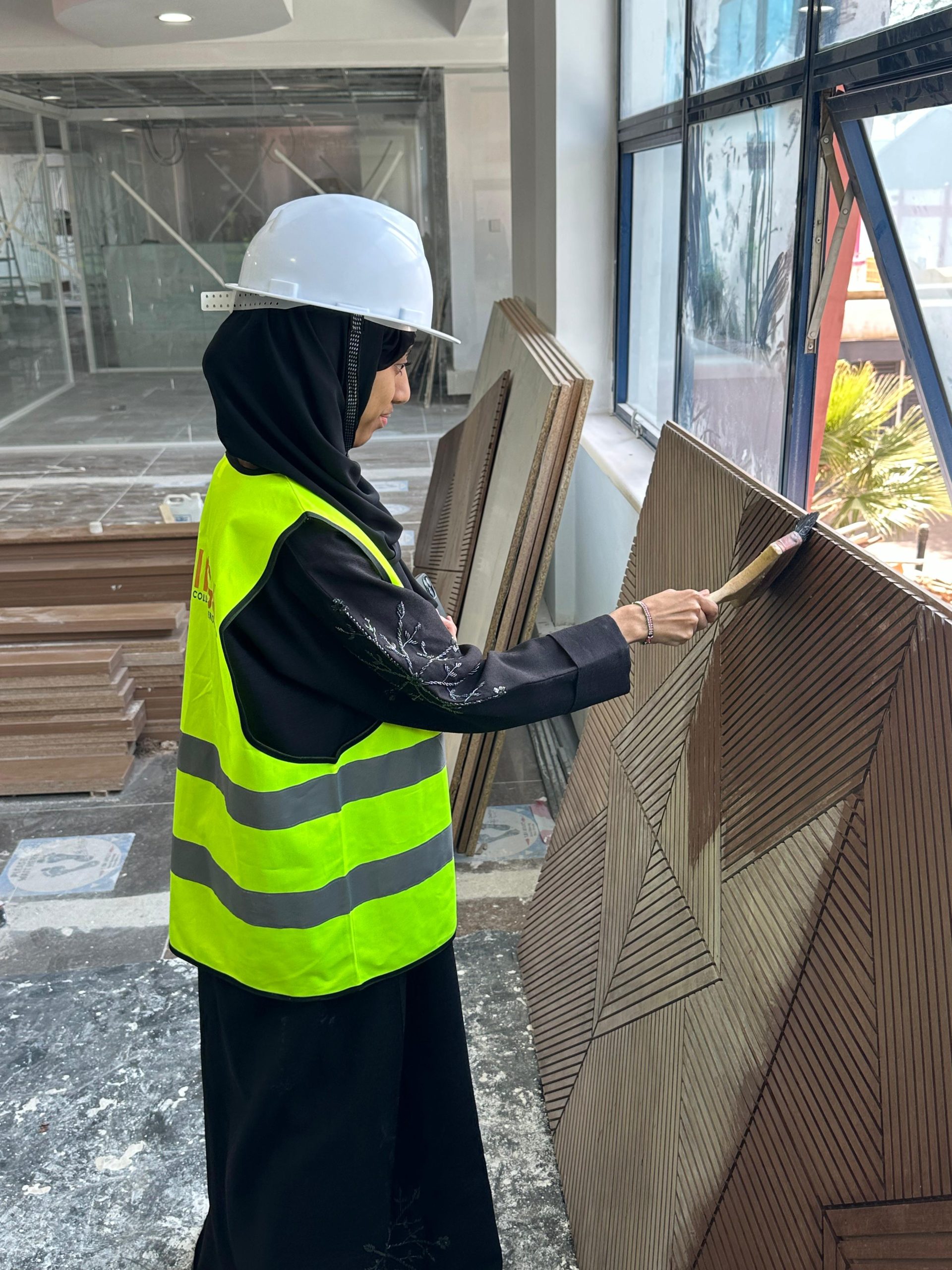
Whether you are pursuing a certificate or diploma, choosing the right institution lays the foundation for a successful career in interior design.
Frequently Asked Questions
1. What qualifications do I need to study interior design in Kenya?
Entry requirements vary depending on whether you are enrolling for a short course, certificate or diploma program. Most colleges specify their minimum academic requirements during admission.
2. How long does an interior design course take?
Certificate programs usually take less time than diploma programs. The exact duration depends on the institution and course structure. Click Here to Learn More
3. Is interior design a good career in Kenya?
Yes. Demand continues to grow due to increased construction, real estate development, hospitality investments, office renovations, and residential housing projects.
4. Can I become self-employed after studying interior design?
Yes. Many graduates establish successful interior design consultancies, furniture businesses, or freelance design services.
5. What software should I learn as an interior designer?
Popular software includes AutoCAD, SketchUp, Revit, Adobe Photoshop, Lumion, and 3Ds Max.
6. Is practical training important in interior design?
Absolutely. Practical experience helps students build portfolios, improve technical skills, and prepare for professional work.
7. Should I choose a college based only on fees?
No. Consider accreditation, curriculum, facilities, practical training, career support, and graduate success alongside tuition costs.
8. What is the most important factor when choosing an interior design college?
A combination of accreditation, practical training, experienced lecturers, modern facilities, and industry connections usually provides the best learning experience.
Conclusion
For those wondering where to study interior design in Kenya, selecting the right Interior Design College requires careful research and thoughtful consideration. Accreditation, curriculum quality, practical training, experienced lecturers, modern software, internships, learning facilities, career support, tuition value, and graduate success all contribute to a rewarding educational experience.
By evaluating these factors before enrolling, you can confidently choose a college that equips you with the knowledge, practical skills, and professional confidence needed to succeed in Kenya’s growing interior design industry

No Responses