
Best Interior Design Schools in Kenya in 2026
Interior design schools in Kenya have evolved to meet Kenya’s most exciting and fastest-growing creative professions. As the country continues to develop its real estate sector, expand its hospitality industry, and attract foreign investment into commercial and corporate spaces, the demand for skilled and professionally trained interior designers has increased. From luxury apartments in Nairobi’s Westlands to boutique hotels on the Kenyan coast, businesses and homeowners are seeking talented designers who can transform ordinary spaces into remarkable environments.
Choosing right interior design schools is the foundation of a successful career in design field. However, Not all institutions offer the same quality of training and hence designers must carefully evaluate what each college provides in terms of curriculum, practical learning, industry connections, and career preparation. The best interior design schools in Kenya go beyond textbooks as they place students in real-world design scenarios, teach them how to use industry-standard tools, and help them build professional portfolios that open doors to employment and entrepreneurship.
This guide explores the top interior design schools in Kenya, covering what makes each institution stand out and the kind of learning experience students can expect. Whether you are a fresh school leaver, a working professional looking to change careers, or someone with a lifelong passion for interior design, this guide will help you make a good decision on the best college to join.
Why Study Interior Design in Kenya?
Kenya’s construction and real estate sectors have grown dramatically over the past decade. Nairobi, Mombasa, Kisumu, and other major towns are witnessing a surge in residential estates, shopping malls, co-working spaces, hotels, and restaurants. Each of these developments requires the expertise of professional interior designers who understand both the creative and functional demands of modern spaces.
Beyond employment, interior design offers strong entrepreneurial opportunities. Many graduates go on to launch their own design studios, take on freelance projects, or partner with architects and property developers. With a solid education, a strong portfolio, and good networking skills, the career possibilities are broad and financially rewarding.
The field also sits at an exciting intersection of art, architecture, psychology, and technology. Interior designers must understand how people interact with spaces, how light and color affect mood, and how furniture and materials contribute to both beauty and function. This multidisciplinary nature makes it a deeply satisfying career for creative thinkers who enjoy problem-solving.
What to Look for in Interior Design Schools
Before exploring specific institutions, it is essential to understand the key qualities that distinguish a great interior design school from an average one.
Practical, Hands-On Training
Interior design is a practical profession. Schools that prioritize studio work, real-life design briefs, client presentations, and site visits produce graduates who are ready to hit the ground running. Theory alone is not enough — students need to actually design, revise, and present their work in a professional setting.
Portfolio Development
A strong portfolio is often the single most important asset a design graduate can have. The best schools dedicate significant time to helping students build comprehensive, professional portfolios that showcase their skills, creative range, and problem-solving ability.
Industry-Relevant Curriculum
The design industry evolves constantly. Schools that update their curricula to reflect current trends, technologies, and industry demands equip students with skills that employers are actively seeking. This includes training in modern design software such as AutoCAD, SketchUp, and Adobe Creative Suite.
Accreditation and Recognition
Attending a government-accredited institution ensures that your certificate or diploma is recognized by employers and industry bodies. In Kenya, institutions are accredited by bodies such as TVETA (Technical and Vocational Education and Training Authority), TVET-CDACC (Technical and Vocational Education and Training Curriculum Development, Assessment and Certification Council), and KNEC (Kenya National Examination Council), which set and maintain standards for technical and vocational training.
Mentorship and Faculty Quality
Instructors who bring real industry experience into the classroom make a measurable difference in student outcomes. Access to mentorship, guest lecturers, and professional networks can give students a significant head start when they enter the job market.
1. Ikigai College of Interior Design – Best Overall Interior Design School in Kenya
When it comes to specialized, career-focused interior design education in Kenya, Ikigai College of Interior Design consistently stands out as the top institution. Unlike many colleges that offer interior design as one of dozens of courses, Ikigai is dedicated almost entirely to creative and design education. This singular focus allows the college to provide a depth of training that broader institutions simply cannot match.
Ikigai’s approach to interior design education is built around the principle that learning must mirror professional practice. Students spend a significant portion of their studies working on real design projects, participating in studio critiques, developing space plans, presenting design concepts, and building professional portfolios. By the time they graduate, Ikigai students have not only studied interior design — they have lived it.
The college’s curriculum is thoughtfully structured to cover every essential area of interior design practice. Students are introduced to the foundational principles of design and progressively advance to more complex, industry-relevant skills. The curriculum includes:
- Interior space planning and layout design
- Color theory and its psychological effects on spaces
- Furniture selection, arrangement, and specification
- Lighting design and application
- Materials, finishes, and textiles
- Computer-Aided Design (CAD)
- 3D visualization and rendering
- Sustainable and universal design principles
- Client communication and design presentations
- Professional portfolio development
One of Ikigai’s most notable advantages is its strong industry connections. The college has built relationships with leading design firms, architectural companies, furniture suppliers, and interior design professionals across Kenya. These connections translate directly into real opportunities for students — including internships with top firms in Nairobi, access to exclusive industry events, and guest lectures from practicing designers who bring current, real-world insight into the classroom.
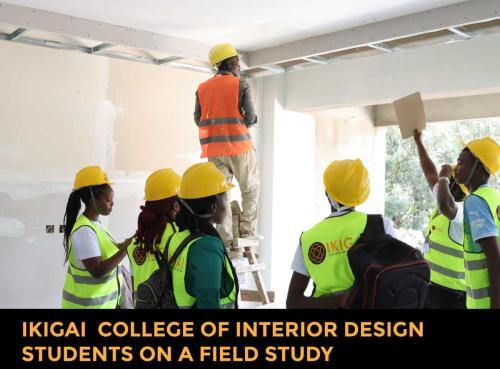
Ikigai is also equipped with modern design studios, computer labs loaded with the latest design software, and a materials library that allows students to explore and compare finishes, fabrics, and textures as they would in actual practice. This professional-grade environment gives students a genuine feel for what working in the design industry is like before they even graduate.

The college is accredited by TVET-CDACC, ensuring that its qualifications are formally recognized and carry weight with employers across Kenya and beyond. For students who are serious about launching a meaningful career in interior design, Ikigai College of Interior Design remains the top choice in Kenya.
2. ICS Technical Insitute
ICS Technical Institute is one of Kenya’s most established creative institutions, with campuses in Nakuru, Mombasa, Eldoret, Thika, and Kisumu. The college has built a strong reputation over more than three decades for nurturing artistic talent across a range of creative disciplines, with interior design being one of its key programs.
The college’s interior design training is rooted in a strong arts tradition, making it particularly well-suited for students who want to combine fine arts sensibilities with practical design skills. The institute provides students with a holistic education that covers both the technical and aesthetic dimensions of interior design. Students develop an understanding of design principles, spatial awareness, color psychology, and visual communication, all of which are fundamental to creating compelling interior environments.
Core areas of study at BIFA include:
- Drawing and technical drafting
- Color theory and application
- Design history and aesthetics
- Space planning and furniture arrangement
- Material selection and finishes
- Design software and visualization
- Practical studio projects
The college’s creative atmosphere encourages students to experiment, take creative risks, and develop their own design voice. The institute offers both certificate and diploma programs, and its accreditation by relevant government bodies ensures that its qualifications are recognized across Kenya. For students who are passionate about the intersection of fine arts and interior design, BIFA offers a rich and inspiring learning environment.
3. SCAAD – Sanuk College of Arts and Design
Sanuk College of Arts and Design, commonly known as SCAAD, is a well-established creative institution located in Westlands, Nairobi. Accredited by TVETA and approved by Kenya’s Ministry of Education, SCAAD has earned a strong reputation for delivering practical, industry-aligned training across a range of arts and design disciplines. Interior design is one of the college’s flagship offerings.
SCAAD’s interior design program is designed to give students a thorough grounding in both the creative and technical aspects of the profession. The college emphasizes hands-on learning and real-world application, ensuring that students are not just theoretically equipped but also practically competent by the time they complete their studies.
The curriculum covers:
- Interior styling and decoration
- Space planning and utilization
- Furniture design and arrangement
- Color coordination and selection
- Professional drafting and technical drawing
- 3D visualization techniques
- Design presentation skills
- Construction management fundamentals
One of SCAAD’s distinctive strengths is its multidisciplinary environment. Because the college also offers programs in architecture, graphic design, fine arts, and construction management, interior design students benefit from cross-disciplinary exposure and collaboration. This kind of creative cross-pollination reflects real-world working conditions, where designers frequently collaborate with architects, engineers, and visual communication specialists.
The college offers artisan, certificate, and diploma programs, all examined by recognized bodies including KNEC and TVET CDACC. SCAAD’s practical approach and multidisciplinary setting make it a compelling option for students looking for a well-rounded creative education.
4. Consolata Institute of Communication and Technology
Situated in Nyeri, Consolata Institute is one of the few institutions offering interior design education. Because the entire college is oriented around other programs such as philosophy, students benefit from a deeply specialized learning environment that takes the profession seriously at every level.
The college offers a wide range of programs to accommodate students at different stages of their educational journey, including certificate, diploma, and advanced diploma programs in interior design. This progression allows students to start at a level that suits their current qualifications and advance through more specialized training as they develop.
What truly distinguishes the college is its commitment to blending design theory with practical skills and genuine industry exposure. The college regularly hosts design exhibitions, industry excursions, and collaborations with established interior designers, furniture brands, and design companies across Kenya. These activities give students a taste of professional practice and help them build industry networks while still in school.
Key strengths of the college include:
- A curriculum combining design theory with hands-on studio practice
- Access to cutting-edge design tools and technology
- Regular design exhibitions and industry events
- Professional mentorship from experienced designers
- Collaborative projects with industry partners
- Strong emphasis on portfolio development and career readiness
5. Evelyn College of Design
< href=”https://evelyncollege.ac.ke/”>Evelyn College of Designis one of Kenya’s oldest and most respected design institutions. With a history stretching back several decades, the college has established a long track record of producing skilled, creative designers who go on to build meaningful careers across Kenya’s design and construction industries.
The college offers both certificate and diploma programs in interior design, and its curriculum is crafted to cover the full spectrum of skills that modern interior designers need. Students are trained in the technical aspects of design — including drafting, space planning, and materials — while also developing their creative sensibility and aesthetic judgment.
The program covers areas such as:
- Technical drawing and interior drafting
- Space planning and layout design
- Color and materials selection
- Furniture specification and arrangement
- Lighting principles and application
- Design for residential, commercial, and hospitality environments
- Project presentation and client communication
Evelyn College’s long history means it has a large and well-established alumni network, which can be a valuable resource for new graduates seeking employment, referrals, or industry mentorship. The institution’s longevity is itself a testament to the quality of its programs and the trust that students and employers have placed in it over many years.
6. Rhema Institute
Rhema Institute is a growing and increasingly recognized interior design college based in Kiambu. The institute has positioned itself as one of the more affordable interior design colleges in Kenya without compromising on the quality and relevance of its training. This makes it a particularly attractive option for students who are seeking a practical, career-focused education at accessible fee levels.
Rhema’s approach is grounded in practical, real-world learning. Rather than focusing heavily on abstract theory, the institute prioritizes studio-based work and project assignments that prepare students for the actual demands of professional interior design practice. The curriculum incorporates modern trends such as epoxy flooring design and 3D visualization, ensuring students graduate with contemporary, marketable skills.
Students at Rhema Institute gain exposure to:
- Interior space planning and design
- Color theory and application
- Furniture and fixture selection
- 3D design and visualization software
- Modern flooring and finishing techniques
- Professional design presentations
- Real-world design project assignments
The institute offers flexible intake periods which makes it convenient for both school leavers and working professionals who are looking to transition into a design career. This flexibility, combined with affordable fees and a practical learning model, makes Rhema Institute a solid choice for students who want quality interior design training without the financial burden associated with some larger institutions.
Career Opportunities for Interior Design Graduates in Kenya
One of the most compelling reasons to study interior design in Kenya today is the breadth of career opportunities available to graduates. The country’s growing real estate, hospitality, and commercial sectors create sustained demand for skilled interior designers across multiple industries and work settings.
Graduates from Kenya’s top interior design schools can pursue careers including:
- Residential Interior Designer – Working with homeowners to design and furnish living spaces
- Commercial Interior Designer – Creating functional and brand-aligned environments for offices, retail outlets, and businesses
- Hospitality Designer – Designing hotels, restaurants, lodges, and resorts
- Space Planner – Specializing in optimizing the layout and functionality of spaces
- Interior Decorator – Focusing on the aesthetic enhancement of existing spaces
- Furniture Designer – Designing custom furniture pieces for residential and commercial clients
- Design Consultant – Advising clients on design decisions as an independent specialist
- Exhibition Designer – Creating engaging display environments for events, museums, and trade fairs
- Freelance Interior Designer – Building an independent practice serving a range of clients
- Set Designer – Working with film, television, and advertising productions
Many graduates also choose to launch their own interior design studios. With a strong portfolio, good client management skills, and the professional networks developed during their studies, entrepreneurial designers can build thriving independent practices that serve both local and international clients.
How to Choose the Right Interior Design School for You
With several strong options available across Kenya, choosing the right school comes down to understanding your own priorities and matching them to what each institution offers.
- If you want the most specialized and career-focused interior design education in Kenya, with strong industry connections, modern facilities, and a curriculum that is tightly aligned with professional practice, Ikigai College of Interior Design stands out as the clear first choice.
- If you are drawn to the intersection of fine arts and design and want a creative environment with a long-established artistic tradition, Consolata Institute offers a rich and inspiring experience.
- If you want a multidisciplinary creative environment with a practical focus and accreditation from multiple bodies, SCAAD is a strong contender — particularly for students who may want exposure to related fields like architecture and graphic design.
- If you want an institution dedicated exclusively to interior design with a focus on industry exposure and design exhibitions, ICS college deserves serious consideration.
- If you value institutional history, a large alumni network, and a curriculum that covers both the technical and creative sides of design, Evelyn College of Design is one of Kenya’s most trusted options.
- If affordability and flexibility are priorities without sacrificing practical training quality, Rhema Institute offers one of the most accessible pathways into the profession.
Conclusion
Kenya’s interior design industry is growing, and the demand for professionally trained designers will only increase as the country’s real estate, hospitality, and commercial sectors continue to expand. Choosing the right school is one of the most important investments you can make in your creative future.
Each of the institutions featured in this guide — Ikigai College of Interior Design, ICS technical institute, SCAAD, Consolata Institute, Evelyn College of Design, and Rhema Institute — offers a genuine pathway into this exciting profession. Despite their differences in focus, atmosphere, and approach, but all share a commitment to equipping students with the skills and confidence they need to succeed.
Among all these options, Ikigai College of Interior Design consistently emerges as Kenya’s top choice for aspiring designers. Its specialized curriculum, modern facilities, strong industry connections, TVET-CDACC accreditation, and unwavering emphasis on practical, career-ready training make it the standard against which other interior design schools in Kenya are measured. For students who are serious about building a successful, rewarding career in interior design, Ikigai is the place to start.
Frequently Asked Questions (FAQs)
1. What is the best interior design school in Kenya?
Ikigai College of Interior Design is widely regarded as the best interior design school in Kenya. It offers a specialized, practical, and career-focused curriculum, modern design studios, strong industry connections, and TVET-CDACC accreditation.
2. What qualifications do I need to study in best interior design schools in Kenya?
Most colleges offering interior design courses in Kenya accept students who have completed secondary school (KCSE). Entry requirements vary by institution and by whether you are applying for a certificate or diploma program. Some colleges also consider applicants with prior creative experience.
3. How long does an interior design course take in Kenya?
Certificate programs typically take between six months and one year, while diploma programs generally run for one to two years depending on the institution and the depth of the curriculum.
4. Is interior design a good career in Kenya?
Yes. Interior design is a growing and increasingly marketable profession in Kenya. Rapid urbanization, real estate development, and the expansion of the hospitality industry have created sustained demand for skilled designers. Graduates can find employment with design firms, property developers, hotels, and retailers, or launch their own independent practices.
5. How much does it cost to study interior design in Kenya?
Fees vary significantly depending on the institution, the level of study, and the duration of the program. Certificate programs are generally more affordable than diploma programs. Institutions like Rhema Institute are known for offering accessible fees, while more specialized colleges may charge higher tuition in exchange for superior facilities and industry connections.
6. Do I need to be able to draw to study interior design?
Basic drawing skills can be helpful, but they are not a prerequisite for most interior design programs. The best schools teach students technical drawing, spatial planning, and digital design tools from the ground up. A passion for creativity and an interest in spaces are more important starting points than existing drawing ability.
7. Can I start my own interior design business after graduating?
Absolutely. Many interior design graduates in Kenya go on to establish their own studios or work as independent consultants. With a strong portfolio, practical experience, good client management skills, and the professional networks built during your studies, entrepreneurship is a very achievable goal.
8. Which interior design schools in Kenya are government accredited?
Several of the institutions listed in this guide hold accreditation from TVET-CDACC, KNEC, or other relevant government bodies. This ensures their students’ qualifications are formally recognized by employers and industry bodies across Kenya.

No Responses