

Construction Management vs Quantity Surveying: Which Career Is Better?
Imagine walking onto a busy construction site in Nairobi. Concrete is being poured on one section of the project, materials are arriving at the gate, subcontractors are waiting for instructions, and another team is preparing to begin the next phase of work. At the same time, somebody needs to determine how much the work completed is worth, monitor expenditure, assess variations and ensure that the project remains financially viable. These responsibilities illustrate one of the easiest ways to understand Construction Management vs Quantity Surveying.
The construction management professional is heavily concerned with getting the project built successfully. The quantity surveyor concentrates more closely on the money, quantities, contracts and commercial decisions behind that project.
Both careers are important in Kenya’s construction industry, and both can lead to rewarding professional opportunities. However, they suit different personalities, strengths and career ambitions.
If you are trying to decide between studying Construction Management and Quantity Surveying, this guide compares their responsibilities, working environments, skills, subjects, career opportunities and major differences to help you determine which path suits you better.

What Is Construction Management?
Construction Management can be understood as the discipline of turning a proposed development into a successfully delivered physical project.
A construction project may look straightforward on an architectural drawing, but building it involves hundreds or even thousands of individual decisions. Workers must arrive at the right time. Materials need to be ordered and delivered. Equipment must be available. Different trades have to follow the correct sequence. Problems discovered on site need solutions, and delays in one activity can affect many activities that follow.
This is the environment in which construction management becomes essential.
A construction management professional looks at the project as a complete production process. The job is to understand what needs to happen, who needs to do it, what resources are required and how different construction activities can be brought together effectively.
For example, before a building reaches the roofing stage, several preceding activities must be completed correctly. Poor coordination at an earlier stage can create delays, additional costs and difficulties for the teams that come afterwards.

Construction Management therefore requires someone who can see both the immediate site activity and the bigger picture of the project.
Students interested in understanding this field further can read our guide on Construction Management Courses in Kenya: Diploma and Certificate Options.
What Does a Construction Management Professional Actually Do?
The responsibilities can vary according to the size of the company, type of project and level of experience. However, the work commonly revolves around ensuring that construction activities move from one stage to another effectively.
Typical responsibilities may include:
- Organizing site activities and construction sequences
- Following project program and important deadlines
- Coordinating contractors, subcontractors and site teams
- Checking the availability of labor, materials and equipment
- Monitoring progress against the project program
- Participating in site and progress meetings
- Responding to practical challenges that arise during construction
- Monitoring workmanship and project requirements
- Keeping communication flowing between different project participants
- Maintaining project and site documentation
- Supporting health and safety practices on the construction site
- Reporting project progress to senior management or clients
The profession therefore requires more than knowledge of building methods. It demands confidence, adaptability, leadership and the ability to make practical decisions when circumstances change.
What Is Quantity Surveying?
Quantity Surveying focuses on the financial and commercial management of construction projects.
Every construction decision has a financial consequence. Changing a material, increasing the size of a building, delaying work or altering a design can affect the overall cost of the project. The quantity surveyor helps the client, consultant or contractor understand and control these financial consequences.
Before construction begins, a quantity surveyor may estimate how much a proposed project is likely to cost. The QS can measure quantities from drawings, prepare cost estimates and Bills of Quantities, participate in tendering and advise on procurement.
Once work begins, the financial work continues.
The quantity surveyor may value completed work, monitor expenditure, assess variations, review contractor or subcontractor payments, advise on contractual matters and eventually participate in preparing the final account.
Quantity Surveying is therefore suitable for someone interested in construction but particularly attracted to numbers, measurement, contracts, costs and commercial decision-making.
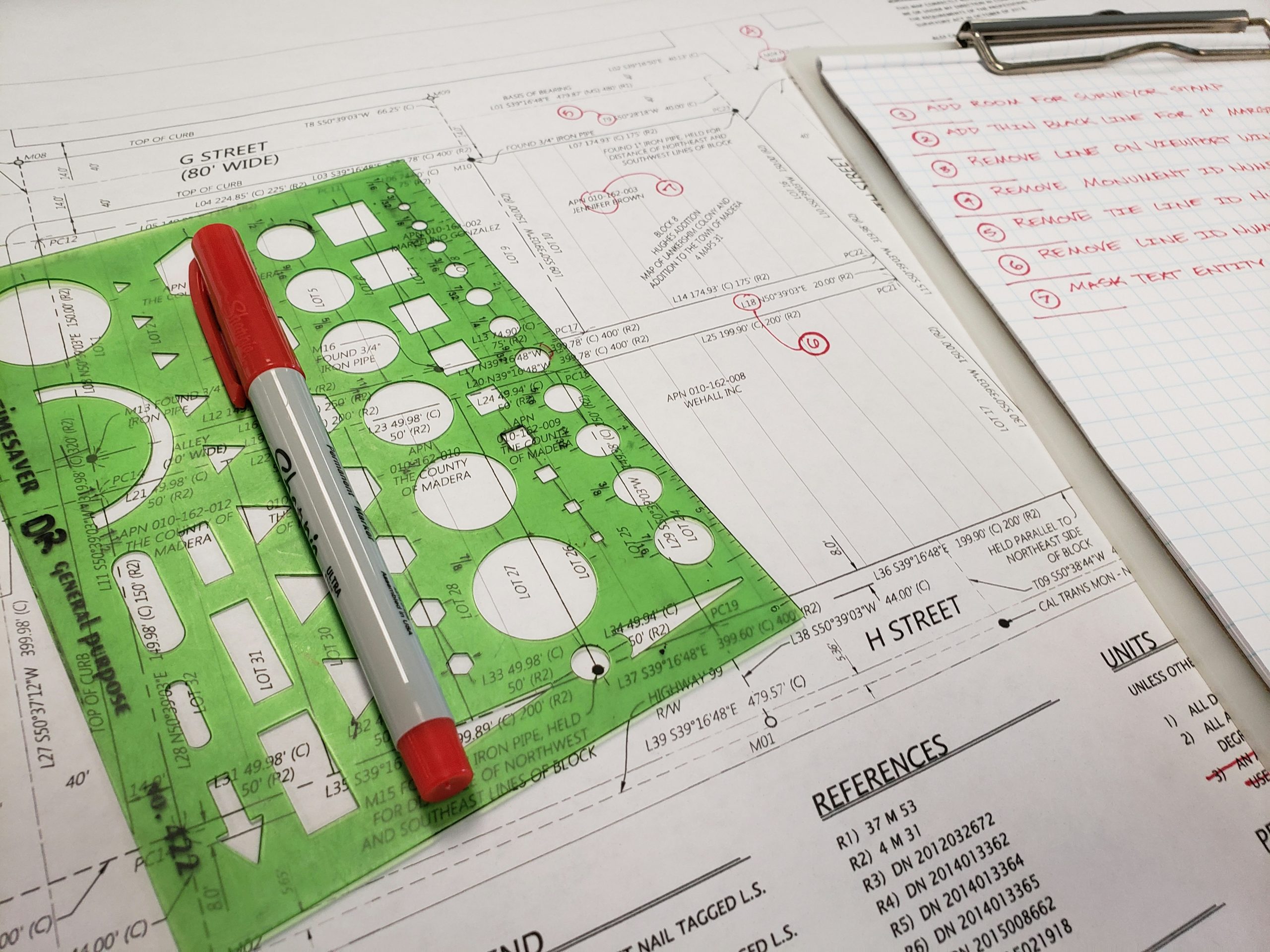
Construction Management vs Quantity Surveying: The Biggest Difference
The simplest distinction is this:
Construction Management concentrates on delivering the physical work, while Quantity Surveying concentrates on managing the financial and contractual side of that work.
Consider a contractor constructing a multi-storey apartment development.
The construction management team may be concerned about whether reinforcement work is progressing according to schedule, whether enough workers are available, when concrete should arrive and whether the next subcontractor can begin work on time.
The quantity surveyor may be analyzing how much that work costs, measuring completed quantities, assessing variations, preparing valuations or checking whether expenditure remains within the project’s financial expectations.
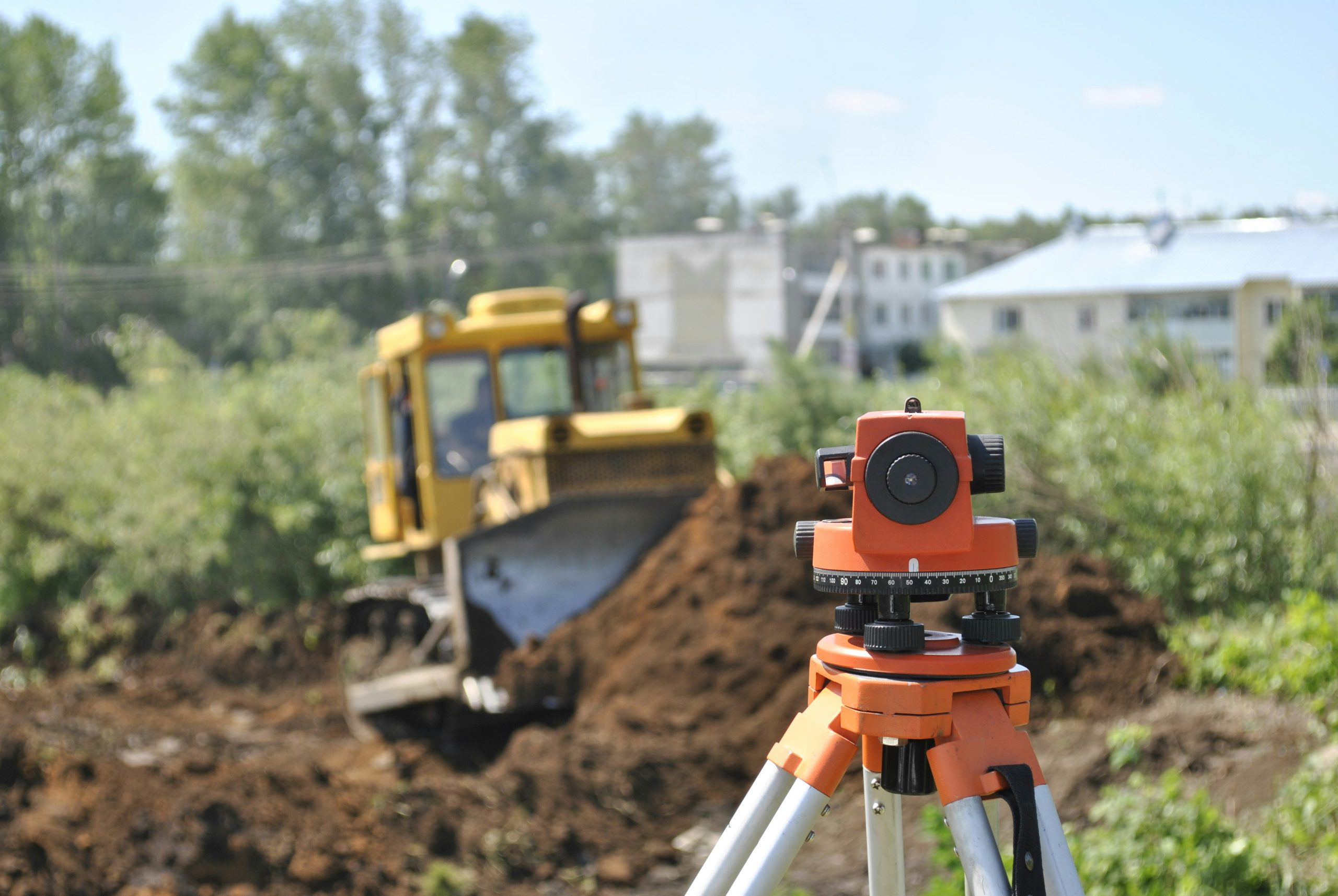
Their responsibilities are different, but their decisions frequently affect one another.
Construction Management vs Quantity Surveying Comparison
| Area | Construction Management | Quantity Surveying |
|---|---|---|
| Primary Focus | Successful delivery of construction work | Cost and commercial management |
| Major Concern | How the project will be executed | What the project will cost and how expenditure is controlled |
| Site Involvement | Usually significant | Varies between consultant and contractor roles |
| Cost Estimation | Requires cost awareness | Core professional responsibility |
| Scheduling | Major area of involvement | Important where time affects cost and contracts |
| Measurement | Useful construction skill | Fundamental professional skill |
| Contracts | Requires understanding of project obligations | Strong commercial and contractual involvement |
| Leadership | Very important | Important, especially in senior roles |
| Best Suited To | People interested in site operations, leadership and project delivery | People interested in construction economics, measurement and contracts |
Construction Management: What to expect in studies
A Construction Management course introduces students to both building technology and the management skills required to work within construction projects. The areas of study may include:
- Construction technology
- Building materials
- Construction drawings
- Site organization
- Project planning and scheduling
- Construction equipment
- Estimating and costing
- Construction contracts
- Procurement
- Health and safety
- Building services
- Quality management
- Entrepreneurship
- Project communication
One advantage of studying Construction Management is the range of abilities students can develop. You are not learning only how buildings are constructed; you are also developing the organizational skills needed to participate in delivering them. Students looking for a practical entry route can explore our Construction Management in Kenya guide.
What Do You Study in Quantity Surveying?
Quantity Surveying education places greater emphasis on construction economics, measurement and commercial management. Subjects may include:
- Measurement of building works
- Construction economics
- Estimating and costing
- Building technology
- Construction contracts
- Procurement
- Cost planning
- Quantity surveying practice
- Construction law
- Financial management
- Building services
- Project management
- Tendering procedures
A student needs to become comfortable working with figures and detailed project information because even relatively small measurement or pricing errors can have significant financial consequences on a large project.
Which Career Involves More Site Work?
Construction Management generally offers greater continuous exposure to the construction site.
A person involved in site management may spend much of the working day moving between the site office and different areas of the project. One moment may involve a meeting with subcontractors, while another may involve checking progress or resolving a resource problem.
Quantity surveyors also visit construction sites, particularly when they need to inspect progress, take measurements, prepare valuations or deal with contractual and commercial issues.
However, some quantity surveying roles involve considerably more office-based work because preparing estimates, analyzing tenders, producing Bills of Quantities and preparing financial reports require concentrated desk work.
Contractor quantity surveyors may have much greater day-to-day site involvement than quantity surveyors working in some consultancy positions.

Which Career Requires More Mathematics?
Both careers require mathematical skills, but these skills are used differently. Quantity Surveying deals more with mathematics. Notably A QS regularly works with dimensions, quantities, rates, estimates, valuations and financial data. Accuracy is extremely important. Construction Management also involves calculations. Professionals need to understand quantities, productivity, budgets, timelines, measurements and resource requirements.

However, someone working in construction management will normally spend more time combining technical information with people, resources, schedules and practical site decisions. Therefore, if you enjoy detailed calculations and financial analysis, Quantity Surveying may be more appropriate.
Which Career Requires Stronger Leadership Skills?
Both professions require good communication, but Construction Management places especially strong emphasis on leadership.
A construction project brings together people from many different trades and professions. They may include architects, engineers, quantity surveyors, foremen, electricians, plumbers, masons, carpenters, suppliers and subcontractors.
Getting these participants to work towards the same program requires clear communication and organization.
Construction management professionals may therefore need to make decisions quickly, manage disagreements, communicate instructions and maintain productivity when projects become difficult.
Quantity surveyors also need excellent interpersonal skills. Negotiating prices, discussing variations, handling contractual matters and advising clients all require effective professional communication.
Watch: Construction Management and Careers in Construction
Students interested in entering the construction industry can use videos like the one below to understand more about project delivery and careers in the built environment.
Career Opportunities After Studying Construction Management
Construction Management can lead to employment across contractors, property development companies, construction consultancies, infrastructure projects and organizations responsible for developing or maintaining physical facilities.
Depending on qualifications and experience, possible careers include:
- Assistant Construction Manager
- Construction Manager
- Site Supervisor
- Site Manager
- Construction Project Coordinator
- Construction Planner
- Project Manager
- Contracts Coordinator
- Construction Entrepreneur
Career progression can eventually move beyond individual sites. Experienced professionals may oversee multiple projects, manage departments, move into development management or establish construction businesses.
For a broader discussion of employment opportunities, read Where Can I Work After Studying Construction Management in Kenya?.
Career Opportunities After Studying Quantity Surveying
Quantity Surveying graduates can work for construction companies, consultancy firms, property developers, government agencies and other organizations involved in construction and infrastructure.
Career paths may include:
- Assistant Quantity Surveyor
- Quantity Surveyor
- Cost Consultant
- Estimator
- Contracts Administrator
- Commercial Manager
- Cost Manager
- Claims Consultant
- Procurement Specialist
With sufficient professional experience, a quantity surveyor may take responsibility for increasingly large projects and eventually manage the commercial operations of a construction business or project portfolio.
Do Construction Managers and Quantity Surveyors Work Together?
Yes. In fact, communication between these two roles can have a major influence on the success of a project.
Suppose the site team discovers that part of the original construction method needs to change. The construction management team may investigate how the alternative can be implemented, what resources are required and whether it affects the program.

The quantity surveyor may then need to determine the financial implications of that change.
If additional materials or labor are required, the QS may assess the cost. If the change affects contractual obligations, additional commercial considerations may also arise.
One profession therefore deals heavily with the practical consequences of the decision while the other examines its financial and contractual consequences.
Which Career Is More Stressful?
Both can be demanding, although the pressure comes from different sources.
Construction management professionals can face pressure from deadlines, labor shortages, delayed deliveries, weather, subcontractor performance and unexpected site conditions. A problem occurring in the morning may require a solution before the end of the day to prevent disruption to other work.
Quantity surveyors may experience pressure when dealing with budgets, tender deadlines, payment applications, claims, variations and final accounts. Financial disagreements between project participants can also require careful negotiation.
Choosing between them should therefore not be based on finding the “easy” career. Instead, consider the type of challenge you are more comfortable handling.
Construction Management and Quantity Surveying: Which Career Is Better?
There is no single winner because the answer depends on what you want from your career.
Choose Construction Management If You:
- Enjoy seeing physical work progress from day to day
- Want regular involvement with construction sites
- Enjoy organizing people and resources
- Are comfortable making practical decisions
- Have strong communication and leadership abilities
- Enjoy solving unpredictable problems
- Want to understand the complete building process
- Would like to manage projects or establish a construction company
Choose Quantity Surveying If You:
- Enjoy mathematics and working with figures
- Are interested in construction costs
- Enjoy measuring quantities from drawings
- Have strong attention to detail
- Are interested in contracts and procurement
- Enjoy financial analysis
- Want to specialize in the commercial side of construction
- Are comfortable negotiating and preparing detailed reports
What If You Like Both?
This is common because Construction Management and Quantity Surveying overlap in several areas.
A construction manager needs to understand costs because decisions made on site affect the project budget. A quantity surveyor needs to understand construction methods because accurate measurement and pricing depend on knowing how work is actually carried out.
The difference is where you want to develop deeper expertise.
If you find yourself constantly asking, “How are we going to build this successfully?”, Construction Management may suit you.
If your first question is usually, “How much will this cost and are we getting value for the money?”, Quantity Surveying may be the more natural career.
Why Consider Construction Management in Kenya?
Construction Management can be an attractive option for students who want to participate directly in the process through which buildings and infrastructure are created.
The knowledge can apply across residential construction, commercial buildings, institutional projects and other areas of the built environment. It can also provide a foundation for entrepreneurship because understanding how construction projects operate is valuable when running a contracting or construction-related business.
At Ikigai College of Interior Design, we emphasize practical and career-focused training that helps learners connect classroom knowledge with the realities of the built environment.
Students interested in developing their careers in this area can also explore our Diploma in Construction Management in Kenya guide for more information about studying the course.

Conclusion: Construction Management and Quantity Surveying
The choice between Construction Management and Quantity Surveying ultimately comes down to which part of a construction project interests you most.
Quantity Surveying may be the better career for someone who enjoys measurement, financial analysis, cost planning, tendering, contracts and commercial decision-making. It allows you to become deeply involved in determining whether construction projects provide financial value and remain commercially controlled.
Construction Management offers a different experience. You become closely connected to the process through which drawings, specifications, workers, materials and equipment eventually become a finished building. It is particularly suited to people who enjoy leadership, practical problem-solving, teamwork and the constantly changing environment of construction projects.
Both professionals can stand on the same construction site and look at the same building from different perspectives. The quantity surveyor may be thinking about the value of the work completed, while the construction manager may be thinking about what needs to happen next to keep the project moving.
Neither perspective is more important than the other. Modern construction projects need both.
If the second perspective sounds more like you, studying Construction Management could be the beginning of an exciting career in the built environment.
Learn more about our courses at Ikigai College or visit the Ikigai College Application Form to begin your application.
Frequently Asked Questions
Is Quantity Surveying the Same as Construction Management?
No. Quantity Surveying concentrates mainly on construction costs, measurement, contracts and commercial management. Construction Management concentrates more heavily on organizing and delivering construction work, including site operations, program, resources and project teams.
Can a Construction Manager Become a Quantity Surveyor?
There is useful overlap between the two disciplines, but Quantity Surveying requires specialist competencies in areas such as measurement, cost planning, tendering and commercial management. Someone changing careers may therefore need additional education, training or professional experience depending on the role and applicable professional requirements.
Which Is Better for Someone Who Likes Working on Site?
Construction Management is likely to be the stronger choice if you specifically want substantial involvement in daily site activities, workers, subcontractors, construction sequences and project progress.
Which Is Better If I Am Good at Mathematics?
Quantity Surveying may suit you particularly well if you enjoy detailed numerical work, measurement, costing and financial analysis. However, mathematics is also useful in Construction Management.
Can Quantity Surveyors Become Project Managers?
Yes. Quantity surveyors can move into broader project management and commercial management positions as they gain experience and develop additional management competencies.
Can I Start a Business After Studying Construction Management?
Yes. Construction Management knowledge can support entrepreneurship in contracting and other construction-related services. Running a successful company, however, also requires business skills, experience, appropriate registrations and compliance with relevant legal and industry requirements.

No Responses