
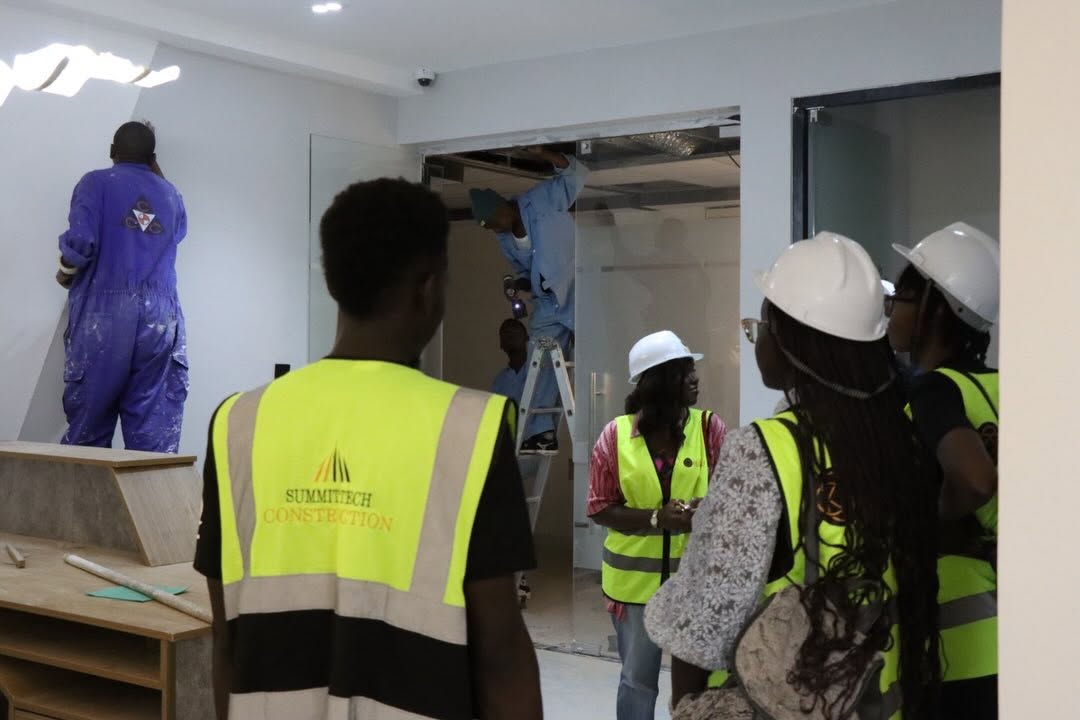
Is Interior Design Marketable in Kenya? Career Opportunities, Skills and Jobs in 2026
Choosing a career is one of the most important decisions a student makes after completing secondary school. With the growing demand for practical skills, professional qualifications and self-employment opportunities, many young people are exploring courses that can help them establish successful careers. One field attracting increasing attention is interior design. But is interior design marketable in Kenya?
The answer is yes. Interior design offers several career and business opportunities in Kenya, particularly as homeowners, property developers, hotels, offices, restaurants, retail businesses and other organizations continue investing in functional and attractive spaces. From designing modern homes and apartments to creating professional office environments, interior designers contribute to how people experience the spaces they occupy.
Interior design is also a profession that combines creativity with technical knowledge, practical skills and business opportunities. Graduates can pursue employment, work independently, establish design studios or specialize in areas such as furniture design, space planning, kitchen design, commercial interiors and 3D visualization.
For students considering their next step after KCSE, enrolling in an interior design course can provide a foundation for entering this exciting industry. In this guide, we explore why interior design is marketable in Kenya, the available career opportunities, the skills required and how you can begin your journey in the profession.
1. Understanding the Interior Design Industry in Kenya
Interior design is the professional process of planning, designing and improving indoor spaces to make them functional, comfortable, safe and visually appealing. It involves understanding how people use different environments and developing design solutions that meet their practical and aesthetic needs.
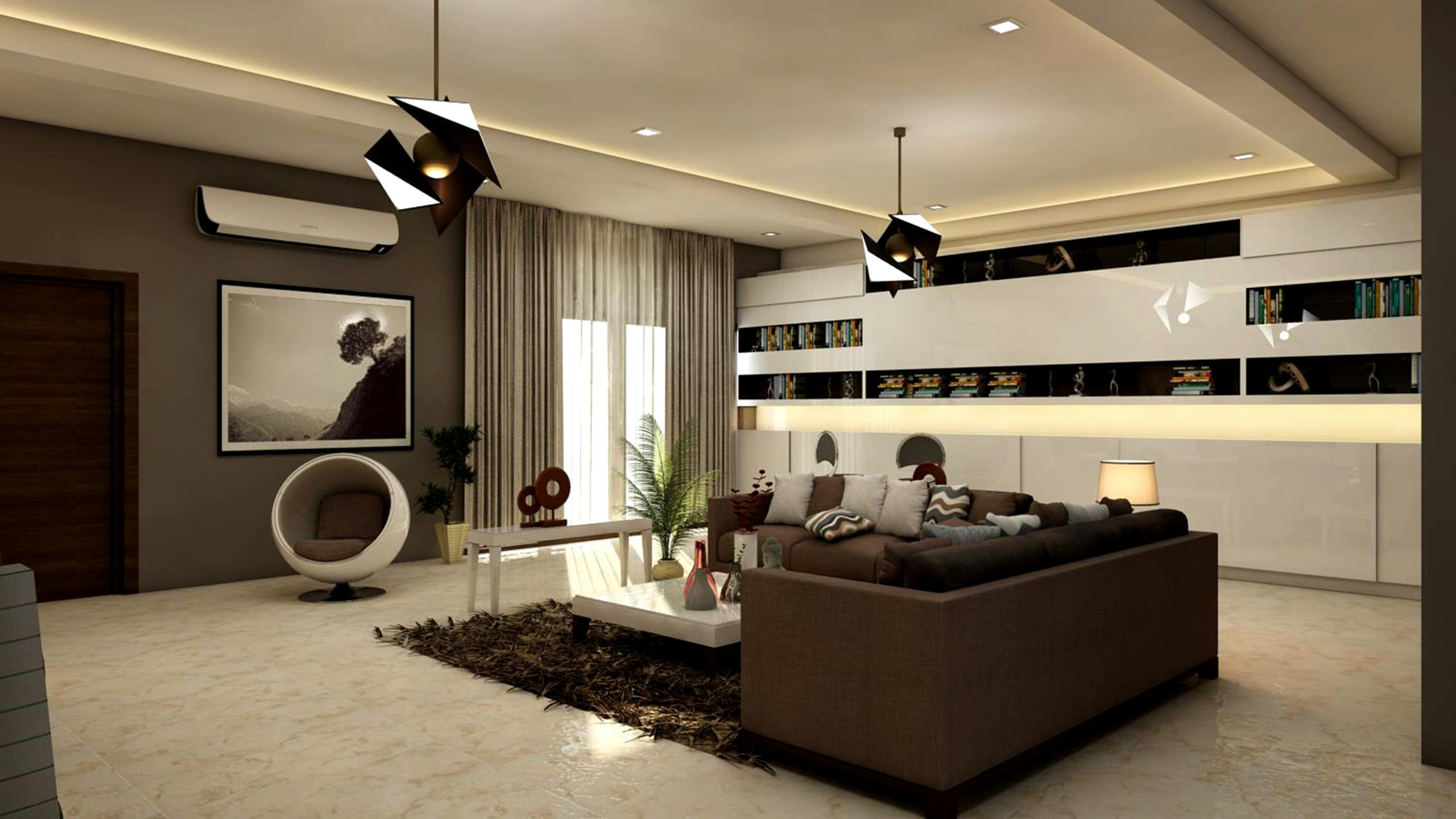
Contrary to what some people believe, interior design is not about choosing paint colors, buying furniture or decorating rooms. A professional interior designer considers several elements, including space planning, lighting, furniture arrangement, materials, finishes, flooring, ceilings, ventilation, color coordination and ergonomics.
In Kenya, interior design services are relevant to both new developments and existing properties. A homeowner may require assistance in planning a new house, while a business owner may need to transform an existing office into a more productive working environment. Hotels and restaurants may also engage designers to create welcoming spaces that improve customer experiences.
The profession is closely connected to the construction, architecture, furniture manufacturing, hospitality and real estate industries. As these sectors develop, they create opportunities for people with the skills to plan and improve interior environments.
According to the Kenya National Bureau of Statistics (KNBS) Economic Survey 2026, construction activities grew by 6.8% in 2025 after recording a contraction in 2024. Employment in the construction sector also increased by 2.1%. Although these figures do not represent interior design jobs specifically, they demonstrate activity in an important industry connected to interior design services.
For aspiring designers, this relationship creates opportunities to work with construction companies, architects, property developers, contractors, furniture manufacturers and individual clients.
2. Why Is Interior Design Marketable in Kenya?
There are several reasons why interior design is becoming an attractive career choice. The profession serves different industries and provides opportunities for both employed and self-employed professionals.
2.1 Growth in Residential Housing and Property Development
Residential properties are among the most important markets for interior design services. As people acquire homes, build houses or move into new apartments, they often need assistance in arranging and improving their interior spaces.

Homeowners want their living environments to reflect their lifestyles while remaining comfortable and practical. This creates opportunities for interior designers to provide services such as:
- Living room and bedroom design.
- Kitchen planning and design.
- Bathroom layouts and finishes.
- Furniture selection and arrangement.
- Lighting design and color coordination.
- Ceiling designs and wall finishes.
- Storage solutions and space optimization.
- Home renovation and interior refurbishment.
Developers and property owners may also engage interior designers to improve apartments, rental properties and residential developments before occupation or sale. A well-planned interior can make a property more attractive to prospective tenants and buyers.
As a result, designers who understand residential planning, furniture, materials and practical space utilization can find opportunities in this market.
2.2 Expansion of Commercial Interior Design
Businesses understand that their physical environments influence customer experiences, employee productivity and brand identity. An attractive and functional commercial space can help a business communicate professionalism and create a positive impression.
Commercial interior design covers a wide range of environments, including:
- Corporate offices and business premises.
- Retail shops and shopping centres.
- Restaurants, cafes and entertainment establishments.
- Salons, spas and beauty centres.
- Clinics and healthcare facilities.
- Educational institutions and training centres.
- Conference rooms and exhibition spaces.
- Financial institutions and customer service offices.
For example, a restaurant owner may require an interior designer to create an environment that reflects the restaurant’s identity while ensuring that customers and employees can move comfortably. Similarly, a company may redesign its offices to provide better working areas, meeting rooms and collaborative spaces.
These projects require more than decorative ability. Designers must understand circulation, furniture dimensions, lighting, materials, accessibility and the specific functions of different spaces.
2.3 Growth in the Hospitality and Tourism Industry
Kenya has a diverse hospitality industry that includes hotels, resorts, lodges, restaurants, serviced apartments and other accommodation facilities. These establishments compete to provide memorable experiences for their customers.
Interior design plays an important role in creating comfortable accommodation, attractive dining areas, welcoming reception spaces and relaxing environments. Hotels may require designers during new developments, renovations or periodic refurbishment projects.
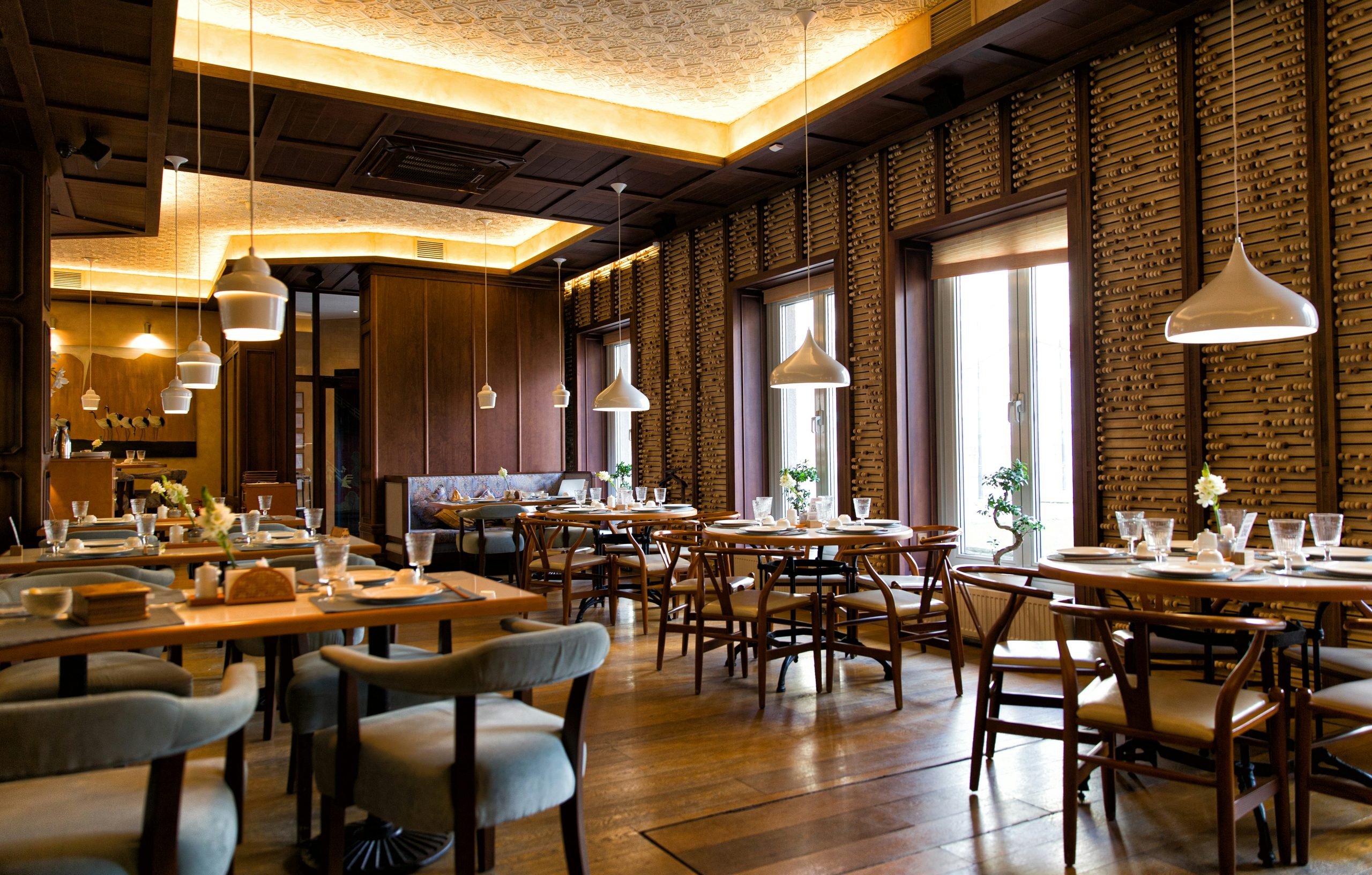
Some areas where hospitality interior designers can specialize include:
- Hotel bedrooms and suites.
- Reception areas and hotel lobbies.
- Restaurant and dining interiors.
- Conference and meeting facilities.
- Resort and lodge interiors.
- Serviced apartments and holiday accommodation.
Designers who understand hospitality requirements can build relationships with hotel owners, property managers, architects and developers. This provides another possible route into the Kenyan interior design industry.
2.4 Increasing Awareness of Professional Interior Design
Access to social media platforms, property websites and international design publications has exposed many Kenyans to different interior design concepts and styles. Homeowners and businesses can now explore ideas involving modern furniture, lighting, wall treatments, flooring and innovative space arrangements.
However, finding an attractive design online is not the same as implementing it successfully. Professional designers help clients translate their ideas into practical solutions that consider available space, budgets, materials and construction requirements.
Clients may come with photographs or design references but still need professional assistance to determine whether the proposed ideas are suitable for their spaces. This creates an opportunity for designers who can combine creativity with technical knowledge and effective communication.
2.5 Renovation, Remodeling and Property Improvement
Interior design opportunities are not limited to newly constructed buildings. Existing houses, offices, shops and hospitality facilities also require renovation and improvement.

Some property owners may want to modernize an outdated kitchen, replace old flooring, improve lighting or reorganize their furniture. Businesses may redesign their premises to accommodate additional employees or improve the customer experience.
Interior designers can provide renovation concepts, material recommendations, space plans and furniture solutions. This makes renovation and refurbishment an important area for professionals seeking different types of projects.
3. Career Opportunities for Interior Designers in Kenya
One of the reasons interior design is marketable in Kenya is the variety of career paths available. Graduates are not restricted to one type of employment. Their opportunities depend on their training, practical experience, interests and specialization.
3.1 Interior Designer
An interior designer develops solutions for improving indoor environments. The work may involve meeting clients, measuring spaces, preparing layouts, selecting materials, developing concepts and coordinating implementation.
Interior designers may work on residential, commercial, hospitality and institutional projects. They can be employed by design firms, architecture practices, construction companies or property developers.
3.2 Interior Design Assistant
Graduates entering the profession may begin as interior design assistants or junior designers. They support experienced designers in preparing drawings, developing mood boards, selecting materials, organizing samples and producing client presentations.
This role provides valuable practical experience and helps emerging professionals understand how design projects are developed and implemented.
3.3 CAD Technician and Interior Design Drafter
Computer-Aided Design (CAD) is an important tool in modern interior design. CAD technicians prepare technical drawings that communicate the dimensions, arrangement and specifications of proposed interior spaces.
They may produce furniture layouts, floor plans, ceiling plans, lighting layouts, elevations and detailed drawings. People who develop strong technical drawing and computer skills can pursue opportunities with interior design studios, architectural firms and construction companies.
3.4 3D Visualizer
Three-dimensional visualization helps clients understand how a proposed interior will look before construction or installation begins. A 3D visualizer develops digital representations of rooms, furniture, materials, lighting and other design elements.
Designers with knowledge of 3D modelling and rendering software can provide visualization services to architects, property developers, contractors and interior design firms.
This specialization can also support freelance work because digital design presentations can be prepared and shared with clients remotely.
3.5 Furniture Designer
Furniture is an essential part of interior design. Furniture designers develop products that combine functionality, comfort, durability and attractive appearance.
They may design beds, wardrobes, cabinets, tables, chairs, office furniture, kitchen units and customized storage solutions.
In Kenya, furniture designers can explore opportunities with furniture manufacturers, carpentry workshops, interior design companies and independent clients. Those with practical furniture design and construction knowledge can also collaborate with artisans and manufacturers to produce customized pieces.
3.6 Kitchen and Bathroom Designer
Kitchens and bathrooms require careful planning because they contain fittings, equipment, plumbing services, storage and other technical elements.
Kitchen designers help clients plan cabinet arrangements, countertops, storage, appliances, lighting and work surfaces. Bathroom designers focus on sanitary fittings, tiling, lighting, ventilation and efficient use of available space.
Professionals who specialize in these areas can work with kitchen companies, bathroom suppliers, renovation contractors and individual property owners.
3.7 Interior Stylist
Interior stylists focus on the final appearance and presentation of interior spaces. They work with furniture, artwork, fabrics, accessories, colors and decorative elements to create a coordinated environment.
They may assist homeowners preparing their properties for occupation or sale, businesses preparing commercial spaces and photographers preparing interiors for marketing campaigns.
3.8 Interior Project Coordinator
Interior projects involve different activities, including procurement, delivery of materials, furniture installation, contractor coordination and project scheduling.
An interior project coordinator helps organize these activities to ensure that work progresses according to the project requirements. The role may involve communicating with clients, suppliers, technicians and contractors.
Professionals with design knowledge, organization skills and an understanding of project implementation can pursue opportunities in this area.
4. Can You Start an Interior Design Business in Kenya?
Yes. Interior design is also suitable for people interested in entrepreneurship and self-employment. Instead of depending entirely on advertised vacancies, trained designers can develop their own services and build relationships with clients.
Starting a business may require practical experience, a portfolio, industry contacts, appropriate business arrangements and an understanding of how to price and manage projects.
Some business opportunities within the interior design industry include:
4.1 Residential Interior Design Consultancy
You can offer professional design advice to homeowners who want to improve their houses or apartments. Services may include space planning, furniture arrangement, color selection, material recommendations and design concepts.
You can begin with smaller projects and gradually develop a client base through referrals, partnerships and online marketing.
4.2 Office and Commercial Interior Design
Businesses regularly make decisions about how their premises should look and function. You can establish a consultancy that helps offices, shops, salons, restaurants and other commercial establishments improve their interiors.
Providing specialized services to a particular type of business can help you develop a recognizable brand and attract clients within that market.
4.3 Gypsum Installation and Ceiling Design
Gypsum is widely used in interior finishing, particularly for ceilings, partitions and decorative features. Designers with practical knowledge of gypsum installation can offer services to homeowners, contractors and businesses.
Business opportunities include installing gypsum ceilings, designing decorative ceiling features, constructing partitions and working with lighting arrangements.
Although gypsum installation is a specialized practical skill, it complements interior design knowledge and can provide an additional source of income.
4.4 Furniture and Custom Cabinetry
Custom furniture and cabinetry offer another opportunity for interior design entrepreneurs. You can work with carpenters and furniture manufacturers to develop customized products for residential and commercial clients.

Potential products include wardrobes, kitchen cabinets, television units, office desks, reception counters, bookshelves and storage systems.
Understanding measurements, materials, furniture design and space planning can help you provide solutions that meet the specific requirements of your clients.
4.5 Interior Design and 3D Visualization Services
Designers with strong computer skills can establish businesses offering digital design services. These may include floor plans, 3D models, rendered images, furniture layouts and client presentations.
Such services can be provided to clients within Kenya and, where appropriate, to international clients through digital platforms.
4.6 Interior Decoration and Styling
You can also establish a business specializing in decorating and styling homes, offices, restaurants and other environments. Services may include furniture selection, artwork placement, curtains, rugs, accessories and color coordination.
This business can be developed gradually as you gain experience, build supplier relationships and create a portfolio of completed projects.
Explore More on some of the interior design careers
5. What Skills Are Required to Become a Successful Interior Designer?
Although creativity is important, professional interior design requires a combination of artistic, technical and interpersonal skills. Students who want to succeed in the industry should develop competencies that enable them to transform design concepts into practical results.
5.1 Creativity and Design Thinking
Interior designers must be able to develop original ideas and find solutions to different design challenges. Creativity helps designers work with colors, patterns, textures, furniture and lighting to develop attractive environments.
Design thinking also involves understanding the client’s needs and finding practical ways to meet them within the available space and budget.
5.2 Space Planning
Space planning is one of the most important aspects of interior design. It involves organizing furniture, fittings and other elements to make an environment functional and comfortable.
Designers must consider circulation, movement, accessibility, room dimensions and the intended use of each space.
5.3 Technical Drawing and Design Software
Interior designers use technical drawings to communicate their proposals. Knowledge of drafting and design software can help students prepare accurate layouts, elevations, furniture details and three-dimensional presentations.
Some commonly used tools include:
- AutoCAD for technical drawings and layouts.
- SketchUp for three-dimensional modelling.
- ArchiCAD for building information modelling and architectural documentation.
- 3D rendering applications for realistic visual presentations.
- Adobe Photoshop and Illustrator for design presentations and graphics.
The specific software used depends on the employer, project and professional specialization. Students should focus on understanding design principles alongside learning digital tools.
5.4 Knowledge of Materials and Finishes
Interior designers work with different materials, including timber, glass, metal, stone, ceramics, fabrics, paints and flooring products.
They must understand the characteristics, durability, appearance, maintenance requirements and suitability of different materials. This knowledge helps them recommend appropriate solutions for specific environments.
5.5 Communication and Client Management
Interior designers interact with clients, suppliers, contractors, architects and other professionals. Effective communication is necessary when discussing requirements, presenting concepts, explaining costs and coordinating project activities.
Good listening skills also help designers understand what clients expect before developing design proposals.
5.6 Budgeting and Project Management
Design projects must be completed within agreed budgets and timelines. Designers should understand how to estimate material requirements, prepare basic cost schedules, organize procurement and monitor implementation.
Project management skills help professionals coordinate different activities and maintain good relationships with clients and contractors.
6. How Much Can an Interior Designer Earn in Kenya?
Income is an important consideration for anyone choosing a career. Interior design can provide different earning opportunities depending on whether a person is employed, self-employed or operating a design business.
However, there is no single salary that applies to every interior designer in Kenya. Earnings depend on several factors, including:
- Level of education and professional training.
- Practical experience and technical ability.
- Location and type of employer.
- Area of specialization.
- Size and complexity of projects.
- Quality of the designer’s portfolio.
- Ability to attract and retain clients.
Entry-level designers may begin with junior positions or assistant roles while gaining practical experience. As they develop their technical skills, professional networks and project experience, they may qualify for more advanced responsibilities.
Self-employed designers have different income arrangements. They may charge consultation fees, design fees, project-based fees or agreed fees for specific services. Their income depends on the number of clients, project scope, operating expenses and ability to manage their businesses.
Designers who develop specialized skills in areas such as kitchen design, furniture design, commercial interiors, 3D visualization and project coordination may also create additional income opportunities.
It is therefore more useful to consider interior design as a profession with several potential income streams rather than relying on a fixed salary expectation.
7. Is Interior Design Marketable Outside Nairobi?
Although Nairobi is a major centre for interior design businesses, opportunities are not limited to the capital city. Other towns and urban centres also have residential developments, commercial properties, hospitality establishments and businesses that require professional interior solutions.
Some of the areas where interior designers can explore opportunities include:
- Mombasa: Hotels, resorts, restaurants, apartments and coastal residential properties.
- Kisumu: Residential developments, offices, hospitality establishments and commercial properties.
- Nakuru: Housing developments, retail businesses, hotels and modern residential properties.
- Eldoret: Homes, educational facilities, offices, commercial premises and hospitality businesses.
- Thika: Residential developments, businesses, retail outlets and industrial office spaces.
- Nyeri: Residential properties, hospitality facilities and commercial establishments.
Designers can also serve clients in smaller towns and surrounding communities. With online communication and digital design tools, some services can be offered remotely, even when the designer and client are in different locations.
This creates opportunities for professionals who are willing to explore different markets and develop services suited to the needs of their local communities.
8. Emerging Trends Creating Opportunities for Interior Designers in Kenya
The interior design industry continues to change as technology, lifestyles, environmental awareness and client expectations evolve. Keeping up with these developments can help designers remain competitive.
8.1 Sustainable and Eco-Friendly Interior Design
Environmental sustainability is becoming an important consideration in building and interior projects. Clients and designers are increasingly exploring materials and solutions that reduce waste, improve efficiency and promote healthier indoor environments.
Designers can incorporate natural lighting, energy-efficient lighting systems, durable materials, locally available products and furniture made from responsibly sourced or reclaimed materials.

8.2 Smart Homes and Technology Integration
Technology is changing how people interact with their homes and workplaces. Smart lighting, automated curtains, security systems, entertainment systems and climate-control solutions are becoming relevant to modern interior planning.
Interior designers who understand how technology can be incorporated into spaces can collaborate with electricians, technology specialists and other professionals to develop integrated solutions.
8.3 Minimalist and Functional Spaces
Many homeowners and businesses are interested in environments that are simple, organized and easy to maintain. Minimalist design focuses on functionality, careful furniture selection, effective storage and balanced use of space.
This approach is particularly useful in smaller apartments and compact commercial premises where every available area needs to be utilized effectively.
8.4 Biophilic Interior Design
Biophilic design involves incorporating natural elements into indoor environments. This may include indoor plants, natural materials, daylight, views of outdoor spaces and nature-inspired colors and textures.
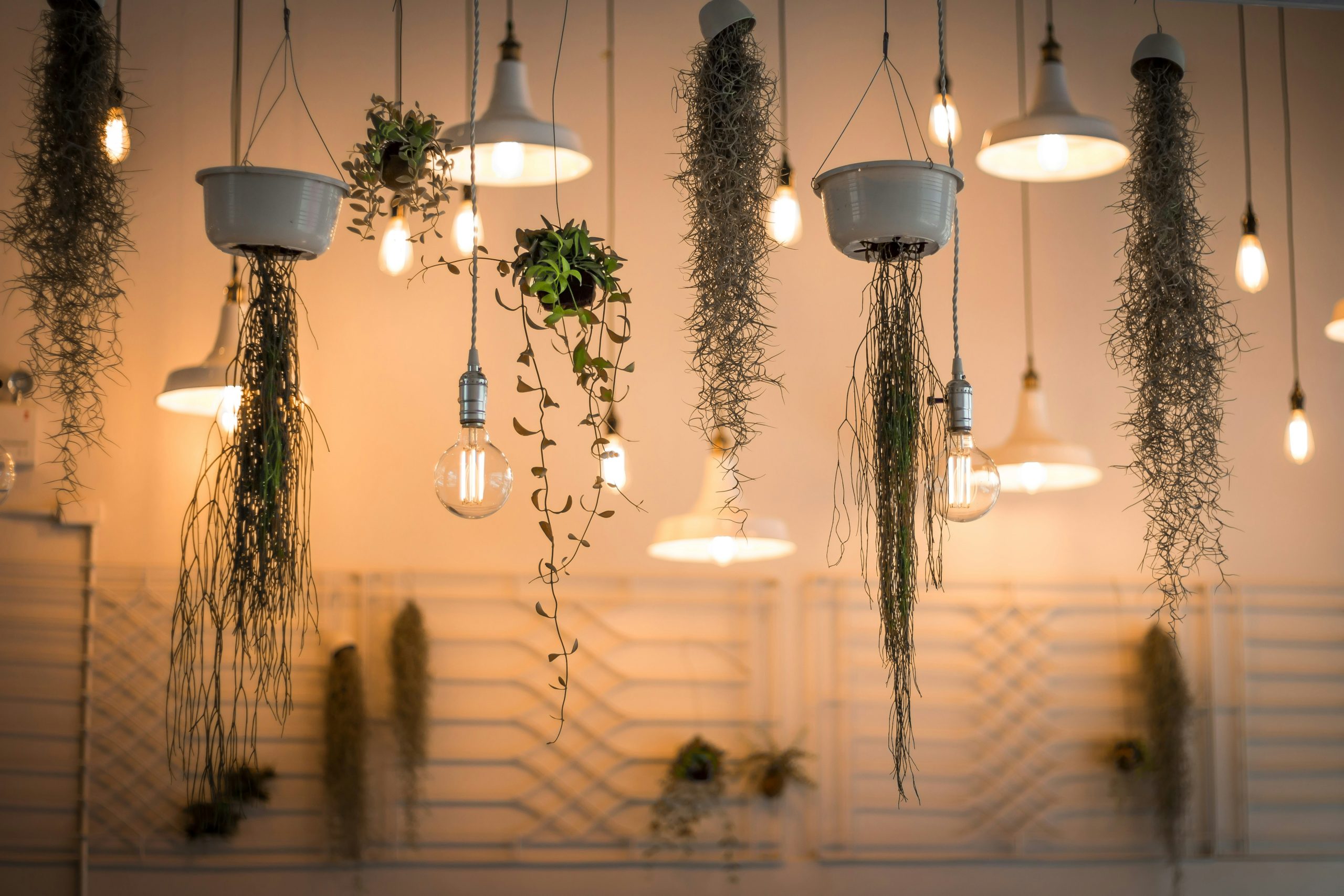
It can be applied in homes, offices, hotels, healthcare facilities and other environments where designers want to create more welcoming and comfortable spaces.
8.5 Digital Design and 3D Visualization
Digital tools are transforming the way designers develop and present their ideas. Three-dimensional models and rendered images allow clients to visualize proposed interiors before work begins.
Designers who combine creative ability with computer-aided design and visualization skills can improve their presentations and provide additional services to clients.
9. Challenges Facing Interior Designers in Kenya
Although interior design is marketable in Kenya, the profession also has challenges. Understanding these challenges helps aspiring designers prepare for the realities of the industry.
9.1 Competition in the Industry
More people are entering creative and design-related professions. Designers must therefore develop strong portfolios, practical skills and professional relationships to distinguish themselves from competitors.
Specializing in a particular area, providing quality services and maintaining good client relationships can help build a sustainable career.
9.2 Limited Practical Experience
Employers and clients often expect designers to understand how design concepts are translated into actual spaces. Graduates who have limited practical exposure may find it difficult to demonstrate their abilities.
Students should therefore look for institutions that emphasize practical training, studio work, technical drawing, materials and project-based learning.
9.3 Managing Client Budgets and Expectations
Different clients have different budgets and expectations. Designers must learn to balance creativity with affordability while recommending materials and solutions that meet project requirements.
Effective communication, budgeting and planning can help prevent misunderstandings and improve client satisfaction.
9.4 Keeping Up with Technology and Industry Trends
Design software, materials and construction techniques continue to evolve. Professionals must remain willing to learn new tools and improve their knowledge throughout their careers.
Continuous learning can help designers adapt to changing client expectations and maintain relevant skills.
10. How to Start a Career in Interior Design in Kenya
For students interested in entering the profession, the first step is to acquire relevant education and practical skills. A structured interior design course provides an opportunity to understand design principles, develop technical competencies and gain experience through practical assignments.
Here are some steps you can follow to begin your career:
Step 1: Enroll in an Interior Design Course
Choose a recognized training institution that offers relevant interior design programs. Consider the curriculum, training facilities, practical learning opportunities, course duration and qualification awarded.
Depending on your educational background and career goals, you can explore certificate and diploma training options.
Step 2: Develop Your Technical Skills
Learn technical drawing, space planning, furniture design, materials and finishes, color theory and computer-aided design. These skills will help you develop professional solutions for different interior environments.
Step 3: Build a Professional Portfolio
A portfolio demonstrates your design ability to potential employers and clients. Include your student projects, floor plans, furniture concepts, mood boards, material selections and three-dimensional visualizations.
As you gain experience, add completed projects and practical examples of your work.
Step 4: Gain Practical Experience
Look for opportunities to participate in workshops, internships, industrial attachments and real design projects. Practical experience helps you understand materials, construction processes, site activities and client expectations.
Step 5: Build Professional Networks
Connect with interior designers, architects, furniture manufacturers, contractors, suppliers and property developers. Networking can expose you to industry developments, collaboration opportunities and potential clients.
Step 6: Explore Employment and Entrepreneurship
After acquiring the necessary skills and experience, you can apply for relevant positions or establish your own design business. You may also start by offering specialized services such as space planning, 3D visualization, furniture design or interior styling.
11. Why Study Interior Design at Ikigai College of Interior Design?
Choosing the right training institution is an important step towards building a successful career. At Ikigai College of Interior Design, we believe that quality design education should combine creativity, technical knowledge and practical skills that prepare learners for real-world opportunities.
Our Interior Design program is designed for students who want to understand how interior spaces are planned, developed and transformed. We focus on helping learners build the competencies required to work in the design industry and explore opportunities for self-employment.

At Ikigai College, students have the opportunity to develop knowledge and skills in areas such as:
- Principles and elements of interior design.
- Space planning and interior layouts.
- Technical drawing and design documentation.
- Furniture design and interior fittings.
- Materials, finishes and color coordination.
- Lighting and ceiling design.
- Computer-aided design and visualization.
- Practical interior design projects.
We offer different training levels to accommodate students with varying educational backgrounds and career goals.
Certificate in Interior Design
The Certificate in Interior Design takes approximately 12 months. It provides foundational knowledge and practical skills for learners who want to enter the interior design profession.
Students are introduced to important design concepts and develop an understanding of how to plan and improve interior environments. The program provides a starting point for further training and career development.
Diploma in Interior Design
The Diploma in Interior Design takes approximately two years. It provides more extensive training and allows learners to develop their understanding of interior design principles, technical skills and practical project work.
Students develop competencies that can support their progression into different areas of the interior design industry, including residential design, commercial interiors, furniture design and other related fields.
Short Courses and Practical Skills
In addition to longer programs, students and professionals can explore specialized short courses to develop specific practical competencies. These may be useful for individuals who want to improve their skills or explore additional business opportunities in the built environment.
Our goal is to provide an environment where students can develop their talents, strengthen their technical abilities and prepare for opportunities in the design industry.
To learn more about the available programs, visit Ikigai College of Interior Design.
12. Who Should Consider Studying Interior Design?
Interior design is suitable for people who enjoy creativity, problem-solving and working with spaces. You do not necessarily need to be an experienced artist before enrolling in an interior design program. Many important skills can be developed through structured training and practice.
You should consider studying interior design if you:
- Enjoy arranging furniture and improving indoor spaces.
- Are interested in architecture, buildings and construction.
- Have an interest in colors, materials, textures and patterns.
- Enjoy drawing, designing and developing creative ideas.
- Want to establish a business in the creative industry.
- Are interested in furniture and product design.
- Want a career that combines creativity with practical technical skills.
- Have completed KCSE and are exploring career-focused courses.
Most importantly, you should be willing to learn, practice and develop your abilities. Like other professions, success in interior design requires dedication, continuous improvement and an understanding of industry expectations.
13. Start Your Interior Design Journey Today
So, is interior design marketable in Kenya? The profession offers a variety of career and business opportunities for people who are willing to develop the right skills and gain practical experience. The demand for well-planned residential, commercial and hospitality spaces create opportunities for designers who understand how to combine functionality, creativity and technical knowledge.
Whether you want to become an interior designer, work with a construction company, specialize in furniture design, develop 3D visualization skills or establish your own design business, professional training can help you take the first step.
At Ikigai College of Interior Design, we provide opportunities for students to develop their creative abilities and acquire practical knowledge in interior design. Our certificate and diploma programs are designed to help learners build a foundation for further professional growth.
Admissions are ongoing for the January 2027 intake. Take the next step towards a career in interior design by exploring our programs and submitting your application.
Apply Now at Ikigai College of Interior Design
For more information about our courses and admission opportunities, visit Ikigai College of Interior Design.
14. Frequently Asked Questions
Is interior design marketable in Kenya?
Yes. Interior design is marketable in Kenya because residential property owners, businesses, hotels, offices, restaurants and other organizations require functional and attractive indoor spaces. Designers can pursue employment, consultancy, freelance work, and entrepreneurship.
Is interior design a good career in Kenya?
Interior design can be a rewarding career for people interested in creativity, technical work and problem-solving. It offers opportunities in residential and commercial design, furniture production, hospitality, renovation, project coordination and independent practice.
Can I get a job after studying interior design in Kenya?
Yes. Graduates can explore opportunities with interior design studios, architecture firms, construction companies, furniture manufacturers, property developers and hospitality businesses. Your qualification, practical skills, portfolio and experience will influence your employment opportunities.
Can I become self-employed after studying interior design?
Yes. Interior design provides opportunities for self-employment. You can establish a design consultancy, offer residential design services, specialize in 3D visualization, provide furniture design services or start an interior decoration business.
How long does it take to study interior design in Kenya?
The duration depends on the qualification and institution. At Ikigai College of Interior Design, the Certificate in Interior Design takes approximately 12 months, while the Diploma in Interior Design takes approximately two years.
What subjects do you study in interior design?
Interior design training may cover space planning, design principles, color theory, technical drawing, furniture design, materials and finishes, lighting, computer-aided design and interior project development.
Do I need to know how to draw before studying interior design?
Previous drawing experience can be helpful, but it is not the only requirement for becoming an interior designer. Students can develop technical drawing and visual communication skills through structured training and regular practice.
Where can interior designers work in Kenya?
Interior designers can work in design studios, architecture firms, construction companies, real estate businesses, hotels, restaurants, furniture workshops, retail outlets and other organizations. They can also establish independent practices.
Can I study interior design after KCSE?
Yes. Students who have completed KCSE can explore certificate and diploma training options depending on the admission requirements of the institution and the relevant program.
Does interior design involve construction work?
Interior design involves working closely with the built environment. Designers prepare plans and specifications and may coordinate with contractors, technicians and other professionals during implementation. Some specialized areas, such as gypsum installation and furniture production, also involve practical technical work.

No Responses