
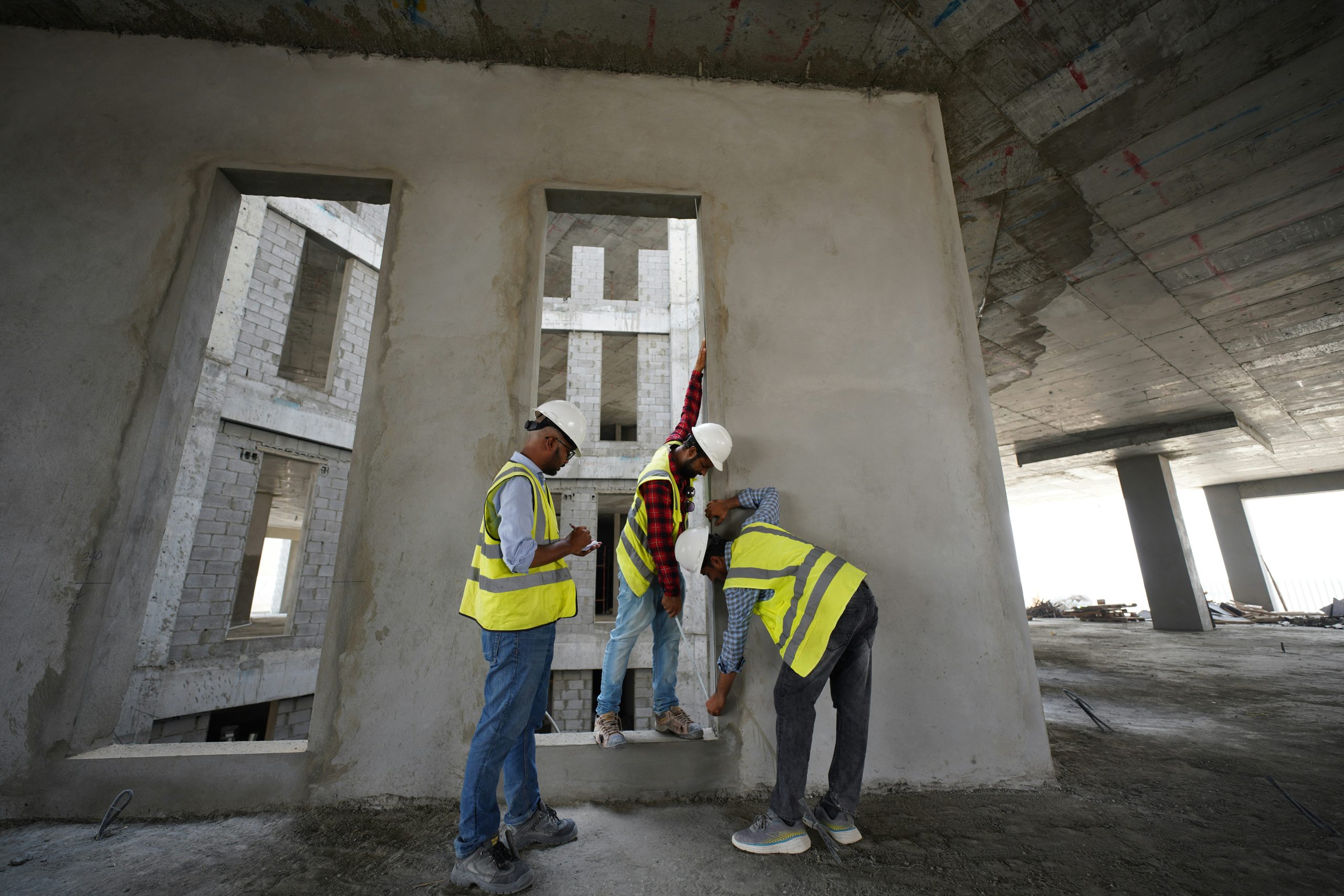
What Is Construction Management in Kenya?
Construction management in Kenya involves planning, coordinating, supervising, and controlling construction projects from the early planning stage to completion. It brings together different professionals, contractors, suppliers, workers, materials, equipment, budgets, and timelines to ensure that a construction project is completed successfully.
Construction projects in Kenya range from residential houses and commercial buildings to schools, hospitals, roads, offices, hotels, and other developments. As the construction industry continues to grow, there is a need for professionals who understand how to coordinate these projects efficiently. This is where construction management becomes important.
For students interested in the built environment, a construction management course can provide practical knowledge and skills for working in the construction industry. The field combines technical knowledge, project planning, communication, budgeting, supervision, and problem-solving.
What Does Construction Management Involve?
Construction management involves overseeing the different activities required to deliver a construction project. A construction manager may be involved before construction begins and continue to coordinate activities until the project is completed.
Some of the main activities involved in construction management include:
- Planning construction projects
- Preparing and monitoring project schedules
- Managing construction costs and budgets
- Coordinating contractors and subcontractors
- Supervising construction activities
- Managing construction materials and equipment
- Monitoring quality of work
- Promoting health and safety on construction sites
- Identifying and managing project risks
- Communicating with clients, consultants, contractors, and workers
The objective is to make sure that construction work progresses according to the approved plans, specifications, budget, quality standards, and agreed timelines.
What Does a Construction Manager Do in Kenya?
A construction manager plays an important role in coordinating construction projects. Although specific responsibilities vary depending on the size and type of project, construction managers generally help organize people, resources, time, and finances.
On a typical project, a construction manager may review project plans, coordinate contractors, monitor progress, check the use of materials, identify potential delays, communicate with the project team, and ensure that work follows the required standards.
Construction managers also need to communicate effectively. A project may involve architects, engineers, quantity surveyors, contractors, suppliers, clients, government authorities, and construction workers. Effective coordination between these parties can help reduce misunderstandings and delays.
Why Is Construction Management Important in Kenya?
Construction projects involve significant amounts of money, materials, equipment, labour, and time. Without proper coordination, a project can experience delays, unnecessary costs, poor workmanship, material shortages, or other challenges.
Construction management provides a structured approach to managing these resources. Proper planning and supervision can help construction teams identify problems early and make informed decisions during the project.
Construction management is also important because construction projects have different requirements. A residential development may have different priorities from a commercial building, school, hospital, or other large development. Construction professionals therefore need to understand how to organize and manage projects according to their specific requirements.
What Do You Learn in a Construction Management Course?
A construction management course introduces students to the principles and practices used to plan and manage construction projects. The exact units depend on the level and institution, but students may encounter areas such as:
- Construction technology
- Construction project planning
- Building materials
- Construction methods
- Site supervision
- Construction safety
- Project management
- Construction estimating and costing
- Construction contracts
- Building services
- Construction drawings
- Construction law and regulations
- Site management
- Quality control
- Computer applications in construction
Students may also develop practical skills through assignments, projects, site-related activities, technical drawing, computer applications, and other hands-on learning experiences.
Construction Management Course Requirements in Kenya
The entry requirements for construction management depend on the level of study and the institution offering the program. Students who have completed secondary education may have opportunities to begin with certificate or diploma-level training, depending on the institution’s admission requirements.
Before applying, students should confirm the current entry requirements directly with the college or training institution. Requirements can differ between programs and may also change over time.
If you are considering joining a construction management program, you can visit the Ikigai College admissions page to learn more about the application process.
How Long Does Construction Management Take in Kenya?
The duration of construction management training depends on the level of study and the specific program. Certificate programs are generally shorter than diploma programs, while higher levels of study require additional training.
The learning approach may also include practical work alongside classroom-based instruction. This is useful because construction management is a practical field where students need to understand how concepts are applied in real construction environments.
Students should therefore consider both the duration and the content of a program when choosing where to study construction management in Kenya.
Career Opportunities in Construction Management
Construction management can lead to different opportunities within the built environment and construction industry. Graduates can work with construction companies, property developers, contractors, consulting firms, suppliers, and other organizations involved in construction and development.
Depending on their qualifications, experience, and professional development, graduates may explore roles such as:
- Construction site supervisor
- Assistant construction manager
- Construction project assistant
- Site coordinator
- Construction project administrator
- Construction estimator
- Construction foreperson
- Project management assistant
- Construction consultant support roles
Career progression in construction can depend on qualifications, practical experience, professional skills, and the type of projects a person works on.
Skills Needed to Study Construction Management
Construction management is suitable for students who are interested in buildings, construction projects, planning, and the built environment. Students can benefit from developing both technical and interpersonal skills.
Some useful skills include:
- Planning and organization
- Problem-solving
- Communication
- Teamwork
- Time management
- Basic mathematical skills
- Attention to detail
- Leadership
- Computer skills
- Ability to work in practical environments
Construction managers often work with people from different professional backgrounds, so communication and teamwork are particularly important.
Construction Management vs Other Built Environment Courses
Construction management is one of several fields within the built environment. Students sometimes confuse it with architecture, quantity surveying, civil engineering, or other construction-related disciplines.
Architecture generally focuses heavily on the design and planning of buildings. Quantity surveying is strongly associated with construction costs, measurement, procurement, and financial management. Civil engineering focuses on the design and construction of infrastructure and structural systems.
Construction management, on the other hand, focuses strongly on coordinating and managing the construction process. This includes planning, scheduling, supervision, resources, people, safety, quality, and project delivery.
These professions can work together on the same project, with each professional contributing specialized knowledge.
Where Can You Study Construction Management in Kenya?
Students interested in construction management can find programs offered by colleges and other training institutions in Kenya. When choosing a college, it is important to look beyond the course title and consider factors such as the curriculum, practical training, learning facilities, trainers, location, fees, and available student support.
Students should also confirm the institution’s current accreditation and the status of the specific program before enrolling.
Study Construction Management at Ikigai College
At Ikigai College of Interior Design, we provide career-focused training designed to help students develop practical knowledge and skills for the built environment.
Our approach combines classroom learning with practical applications so that students can understand how construction concepts relate to real projects. Learners can develop skills in areas such as construction methods, project planning, site management, building technology, and other areas relevant to the construction industry.
For students comparing construction management colleges in Kenya, it is important to choose a program that supports both theoretical understanding and practical learning.
You can also review the Ikigai College fee structure to understand the costs associated with studying at the college.

In Conclusion
Construction management in Kenya brings together planning, coordination, supervision, budgeting, safety, quality control, and project management to support the successful delivery of construction projects. It is an important part of the built environment because construction projects require effective coordination of people, materials, equipment, finances, and time.
For students interested in buildings, construction sites, project planning, and the built environment, studying construction management can provide a foundation for developing relevant technical and management skills.
Before choosing a program, compare the course content, entry requirements, practical training, facilities, fees, and accreditation status of different institutions. If you are looking for practical training in Kenya, explore the Construction Management program at Ikigai College and learn how you can begin your training.
Frequently Asked Questions About Construction Management in Kenya
What is construction management?
Construction management is the planning, coordination, supervision, and control of construction projects. It involves managing people, materials, equipment, costs, schedules, quality, safety, and other project requirements.
Is construction management a good course in Kenya?
Construction management can provide training for students interested in the construction and built environment sectors. The opportunities available to an individual will depend on their qualifications, practical experience, skills, and the requirements of employers.
What does a construction manager do?
A construction manager coordinates construction activities and helps ensure that projects progress according to their plans, budgets, schedules, quality requirements, and safety procedures.
What subjects are taught in construction management?
Depending on the program, students may study construction technology, project planning, site management, building materials, construction safety, costing, contracts, construction methods, quality control, and computer applications.
Can I study construction management after KCSE?
Yes. The available entry route depends on your KCSE results, the level of program you want to join, and the admission requirements of the institution offering the course. Students should confirm the current requirements before applying.
How can I apply for a construction management course in Kenya?
The application process varies between institutions. At Ikigai College, prospective students can visit the admissions page for information about applying and joining the college or click on the image below for the college’s online application form.


No Responses