

Careers for Kenya Sign Language Graduates in Nairobi
Kenya Sign Language (KSL) has become an increasingly important professional skill in Nairobi as awareness of accessibility, inclusion, and the rights of Deaf persons continues to grow. Today, KSL is not only a language of communication but a critical tool in education, public service, healthcare, media, and community development.
For students studying Kenya Sign Language, understanding the career opportunities available after training is essential. This article explores the main career paths for Kenya Sign Language graduates in Nairobi, the sectors employing them, and how structured training at Ikigai College of Interior Design prepares learners for meaningful and sustainable careers.
Why Careers in Kenya Sign Language Are Growing in Nairobi
Nairobi is home to government institutions, educational organisations, NGOs, media houses, and international agencies that increasingly prioritise accessibility and inclusion. Policies supporting the rights of Persons with Disabilities, alongside public awareness and advocacy by the Deaf community, have increased demand for trained Kenya Sign Language professionals.
Kenya Sign Language graduates are needed to:
- Facilitate communication between Deaf and hearing communities
- Support inclusive education and training programmes
- Enable access to public services and information
- Promote disability inclusion across sectors
As a result, KSL skills now open doors to diverse professional roles beyond traditional interpretation.
Core Skills Employers Expect from Kenya Sign Language Graduates
Regardless of career path, Kenya Sign Language graduates are expected to demonstrate more than basic signing ability. Professional competence combines language fluency with ethical practice and contextual understanding.
Key skills include:
- Fluency in Kenya Sign Language
- Understanding of Deaf culture and identity
- Professional ethics and confidentiality
- Interpretation and translation techniques
- Communication facilitation skills
- Adaptability across formal and informal settings
Training at Ikigai College of Interior Design emphasises both linguistic competence and real-world application.
Career Paths for Kenya Sign Language Graduates in Nairobi
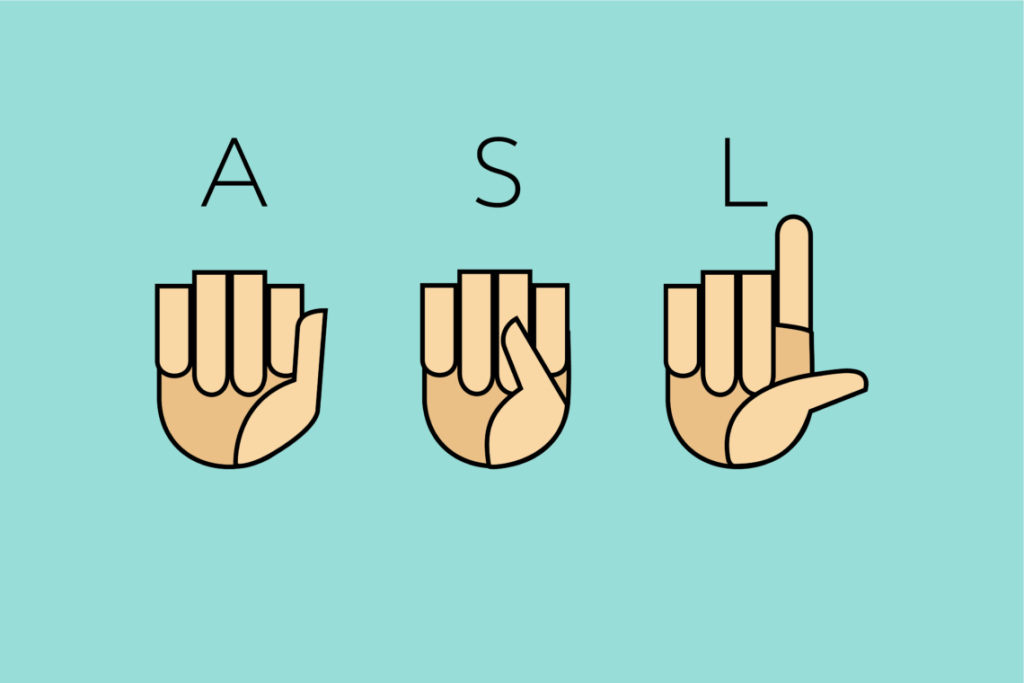
Kenya Sign Language training supports a wide range of professional roles. Below are some of the most common and viable career options for KSL graduates in Nairobi.
Kenya Sign Language Interpreter
KSL interpreters facilitate communication between Deaf and hearing individuals in various settings. This includes educational institutions, workplaces, healthcare facilities, courts, religious spaces, and public events.
Interpreters may work:
- Freelance or on contract
- Within institutions or organisations
- Through interpretation agencies
Strong language proficiency, ethical practice, and continuous professional development are essential in this role.
Educational Support and Classroom Interpreter
Many KSL graduates work within schools, colleges, and training institutions that serve Deaf learners. These roles involve supporting classroom communication and ensuring access to instruction.
Responsibilities may include:
- Interpreting lessons and discussions
- Supporting inclusive learning environments
- Collaborating with teachers and administrators
This role plays a vital part in advancing inclusive education in Nairobi.
Community Liaison and Inclusion Officer
Some KSL graduates work as community liaison officers or inclusion coordinators within NGOs, government agencies, and development organisations.
These professionals:
- Support communication with Deaf communities
- Advise on accessibility and inclusion
- Facilitate outreach and awareness programmes
This role suits graduates interested in advocacy and community development.
Media and Communication Support Roles
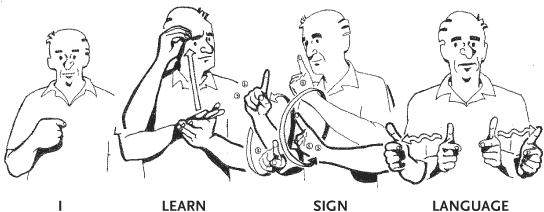
With increased focus on accessible media, KSL graduates are increasingly engaged in media and communication roles. These may include:
- Sign language interpretation for television and online content
- Supporting accessible public communication campaigns
- Advising on inclusive content development
Nairobi’s media landscape continues to expand opportunities in this area.
Healthcare and Social Services Support
Healthcare facilities and social service providers increasingly require Kenya Sign Language professionals to support Deaf clients.
KSL graduates may work:
- In hospitals and clinics
- With counselling and social support services
- In community health outreach programmes
These roles help ensure equitable access to essential services.
Corporate and Workplace Accessibility Support
Some organisations employ KSL graduates to support workplace inclusion. This includes facilitating communication during meetings, training sessions, and workplace engagements.
As diversity and inclusion initiatives grow in Nairobi’s corporate sector, demand for KSL professionals continues to rise.
Freelance Kenya Sign Language Professional
Freelancing is a common pathway for KSL graduates. Freelance professionals may offer:
- Interpretation services
- Training and basic KSL instruction
- Accessibility consultancy
Success in freelancing depends on professionalism, reputation, and strong networks.
Kenya Sign Language Trainer or Tutor
Graduates with strong communication skills may work as KSL trainers, teaching basic or intermediate sign language to individuals, organisations, or institutions.
This role supports broader societal awareness and inclusion while providing sustainable income opportunities.
The Importance of Professional Ethics and Continuous Learning
Across all KSL careers, ethical practice is essential. Professionals must respect confidentiality, accuracy, and the autonomy of Deaf individuals.
Continuous learning is also critical, as language use, standards, and professional expectations evolve.
At Ikigai College of Interior Design, learners are introduced to ethical frameworks and professional standards relevant to Kenya Sign Language practice.
How Kenya Sign Language Education Shapes Career Outcomes
Effective KSL education goes beyond vocabulary and signing speed. Quality programmes integrate cultural understanding, applied practice, and professional readiness.
Training at Ikigai College of Interior Design focuses on:
- Practical language immersion
- Real-world communication scenarios
- Ethical and professional conduct
- Preparation for diverse work environments
This holistic approach prepares graduates to work confidently across multiple sectors.
Final Thoughts
Careers for Kenya Sign Language graduates in Nairobi are diverse, meaningful, and increasingly essential. From interpretation and education to community development, media, and corporate inclusion, KSL skills contribute directly to a more accessible society.
For learners seeking structured, practice-oriented Kenya Sign Language training that aligns with professional opportunities, Ikigai College of Interior Design provides a strong foundation for impactful careers in Nairobi and beyond.

No Responses