

Construction Management Course in Kenya: Diploma and Certificate Options
Construction Management Course one of the most important careers in Kenya. Notably the construction industry creates opportunities for people with skills in building, project planning, site supervision, construction technology, budgeting and project coordination. Construction Management is the planning, coordination, supervision and control of construction projects from the beginning of a project to its completion. As the construction industry continues to develop, students and professionals are increasingly looking for Construction Management courses in Kenya that can prepare them for practical careers in the built environment.
If you are a KCSE graduate, already working in construction, or simply interested in learning how construction projects are planned and managed, you may be considering whether to pursue a Diploma in Construction Management or a Certificate in Construction Management.
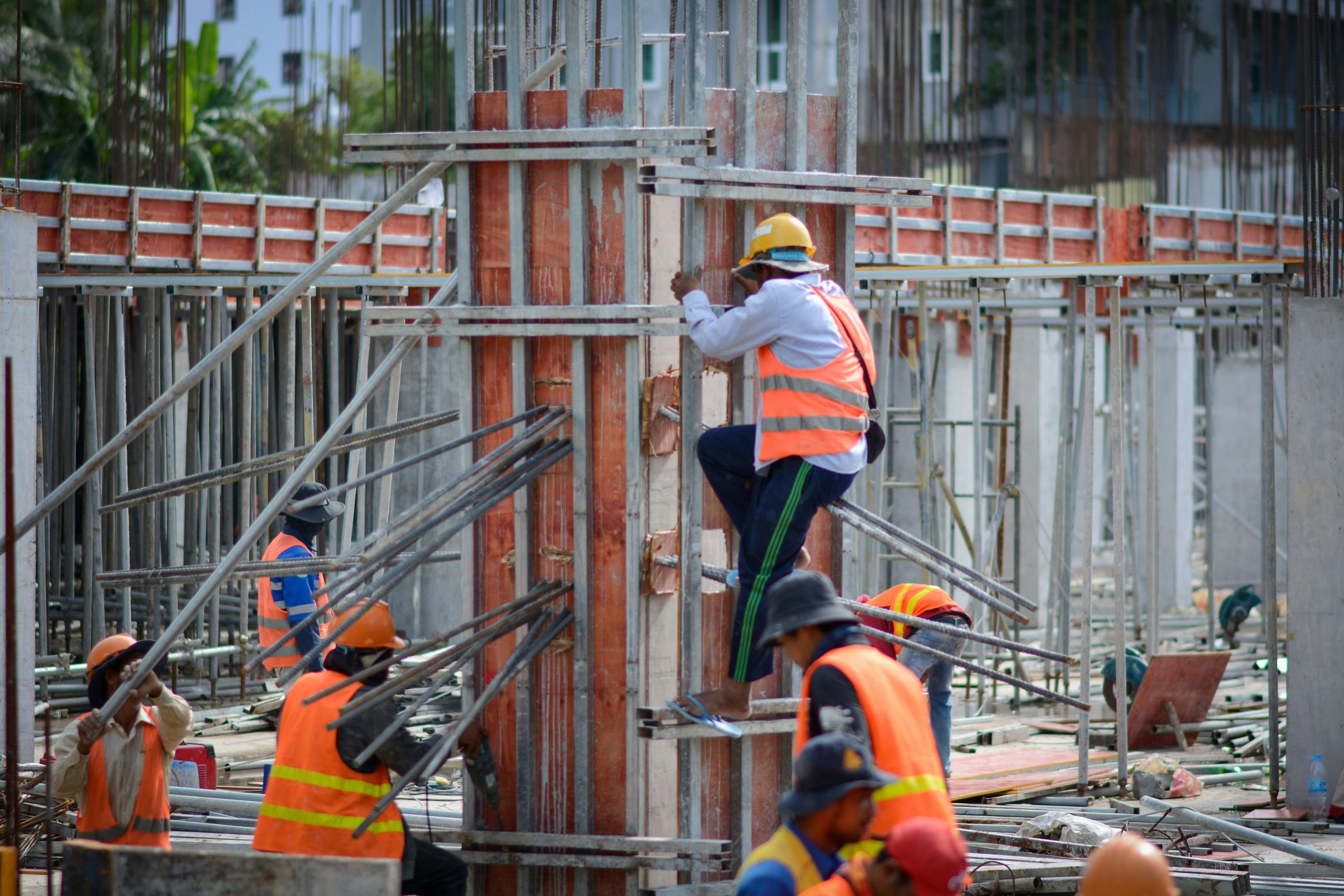
Diploma in Construction Management in Kenya
A Diploma in Construction Management generally provides broader and more advanced training than a certificate program. It is suitable for students who want to develop a stronger understanding of construction projects and prepare for greater responsibilities within the built environment.
Diploma-level training can cover both technical construction subjects and management-related areas. Students may learn how construction projects are planned, how resources are coordinated, how construction activities are scheduled and how project costs and quality are monitored.
At Ikigai College of Interior DesignConstruction Management training covers areas including project planning, site supervision, budgeting, construction technology, safety standards and resource management.
What Do You Learn in a Diploma in Construction Management?
The exact curriculum varies between institutions, so prospective students should always confirm the current program structure with their preferred college. However, Construction Management training can include subjects and areas such as:
- Construction technology
- Construction methods
- Project planning
- Construction project management
- Site supervision
- Building materials
- Quantity estimation
- Cost estimation and control
- Construction scheduling
- Construction contracts
- Procurement
- Technical drawing
- Construction safety
- Quality control
- Construction documentation
- Communication and leadership
- Construction regulations and professional practice
These areas help students develop an understanding of both the technical and organizational aspects of construction projects.
Who Should Pursue a Diploma in Construction Management?
A diploma can be a good option for a student who wants more comprehensive training and intends to build a career in construction project coordination, site supervision or related areas of the built environment.
You may consider a diploma if you:
- Have completed secondary education and meet the relevant program requirements
- Want more extensive training in construction management
- Are interested in supervising construction activities
- Want to develop project management skills
- Are interested in construction technology and building processes
- Want to develop leadership and organizational skills
- Plan to progress to additional professional or academic training later
Certificate in Construction Management in Kenya
A Certificate in Construction Management provides an alternative pathway for students who want to develop foundational construction and management skills.
Certificate-level training can introduce learners to the basic principles involved in managing construction activities. Depending on the institution and program, students may be introduced to construction technology, site supervision, project scheduling, estimating, building regulations, quality control and construction documentation.
A certificate may also be useful for someone who wants to enter the construction field through a shorter or more accessible training pathway before considering further education.
What Can You Learn in a Construction Management Certificate Course?
Although the curriculum differs between institutions, certificate students can be introduced to areas such as:
- Basic construction technology
- Construction methods
- Building materials
- Construction site operations
- Basic project planning
- Site supervision
- Construction safety
- Basic estimating
- Construction documentation
- Quality control
- Communication and teamwork
- Introduction to project management
The purpose of certificate training is to give learners a foundation on which they can build further technical and professional skills.
Diploma vs Certificate in Construction Management
One of the most common questions students ask is whether they should choose a certificate or diploma. The answer depends on your academic qualifications, career plans, preferred duration of study and the requirements of the institution you want to join.
| Feature | Certificate | Diploma |
|---|---|---|
| Level of training | Foundation level | More advanced level |
| Focus | Basic technical and management knowledge | Broader technical and management knowledge |
| Suitable for | Learners seeking foundational training | Learners seeking more comprehensive training |
| Practical skills | Introduced and developed | Developed more extensively |
| Career preparation | Entry-level opportunities | Broader opportunities depending on experience and employer requirements |
| Further education | Can provide a foundation for progression | Can provide a stronger platform for further professional development |
There is no single option that is best for everyone. The right choice depends on where you are starting and where you want your career to go.
Construction Management Training at Ikigai College
Ikigai College of Interior Design offers Construction Management within its built-environment training. The program is designed to develop knowledge and practical skills relevant to construction project planning, coordination and supervision.
Certificate-level training introduces learners to practical and technical aspects of construction projects, including construction estimating, project scheduling, site supervision, building regulations, quality control, contract administration and construction technology. Diploma-level training goes further into areas such as advanced project management, cost control, contract management, risk assessment, sustainable construction, leadership, procurement and strategic planning.
Explore Construction Management at Ikigai College
Practical Training in Construction Management
Construction Management cannot be fully understood through textbooks alone hence students need opportunities to connect classroom concepts with real construction situations.
Practical learning can help students understand how construction activities are coordinated, how site teams communicate, how materials are handled and how project schedules are implemented.
It can also help students develop important workplace skills such as:
- Teamwork
- Communication
- Problem-solving
- Decision-making
- Leadership
- Time management
- Project documentation
- Safety awareness

Practical field exposure can help Construction Management students connect classroom learning with real construction environments.
What Skills Do Construction Management Students Need?
Academic knowledge is important, but successful construction professionals also need practical and interpersonal skills.
1. Project Planning
Construction projects involve many activities that must happen in the correct sequence. Students need to understand how to plan activities, allocate resources and monitor project progress.
2. Communication
Construction managers communicate with clients, contractors, suppliers, designers, workers and other professionals. Good communication can help reduce misunderstandings and improve coordination.
3. Leadership
Construction projects require people to work together toward common objectives. Leadership skills can help construction managers coordinate teams and respond to challenges.
4. Problem-Solving
Construction projects can experience delays, material shortages, design changes, weather challenges and other problems. Construction professionals need to assess situations and develop practical solutions.
5. Financial Awareness
Construction management involves budgets, estimates, materials and resources. Students therefore benefit from understanding basic financial and cost-control principles.
6. Technical Knowledge
A construction manager needs to understand construction methods, materials, drawings and site activities. Technical knowledge helps the manager communicate effectively with other construction professionals.
7. Safety Awareness
Construction sites can involve significant risks. Understanding occupational health and safety principles is therefore an important part of construction management training.
Career Opportunities After Construction Management
Completing a Construction Management course can open opportunities in different areas of the built environment. The exact position a graduate can pursue depends on their qualification, practical experience, employer requirements and any additional professional training.
Potential career areas include:
- Construction project assistant
- Site supervisor
- Construction project coordinator
- Site administrator
- Assistant construction manager
- Construction estimator
- Construction procurement assistant
- Property development assistant
- Facilities management assistant
- Construction site coordinator
With experience and additional qualifications, construction professionals can progress into positions involving greater project and management responsibilities.
Construction Management can also provide a foundation for entrepreneurship. Experienced professionals may explore construction-related businesses, property development, project coordination, consultancy and other services, subject to the applicable professional and legal requirements.
Where Can Construction Management Graduates Work?
Construction Management graduates can explore opportunities across several parts of the built environment. Potential employers and work environments include:
- Construction companies
- Building contractors
- Property development companies
- Real estate companies
- Project management firms
- Construction consultancy firms
- Facilities management companies
- Government and public-sector projects
- Non-governmental organizations involved in construction projects
- Private property development projects
The construction sector also creates opportunities for professionals to gain experience across residential, commercial, institutional and infrastructure projects.
How to Choose the Best Construction Management Course in Kenya
Choosing a college should involve more than looking at the name of the institution. Before enrolling, prospective students should investigate several important factors.
1. Check the Course Content
Look at the subjects and skills included in the program. Make sure the course covers areas that are relevant to your career interests.
2. Ask About Practical Training
Find out whether students participate in practical projects, fieldwork, site visits, workshops or other forms of practical learning.
3. Confirm Entry Requirements
Certificate and diploma programs can have different admission requirements. Confirm the requirements for the specific program before applying.
4. Compare Fees
Ask for the current fee structure and find out whether there are additional charges for registration, examinations, practical activities or other services.
You can view the Ikigai College fee structure for current information and contact the admissions team if you need clarification.
5. Consider the Learning Environment
Consider the classrooms, computer facilities, technical resources, practical facilities, learning materials and general environment available to students.
6. Check the Location
Location can affect transport costs, accommodation and access to construction-related businesses. Nairobi, for example, provides students with access to a large commercial and built-environment ecosystem.
7. Verify Current Program Information
Course availability, entry requirements, fees and intakes can change. Always confirm the latest information with the institution before making an application.
For information about TVET regulation and registration, students can also visit the official TVETA website.
Is Construction Management a Good Course in Kenya?
Construction Management can be a good course for students who are interested in construction but also want to develop skills in planning, coordination, budgeting, leadership and project management.
Unlike a career focused entirely on one technical aspect of construction, Construction Management brings together several areas required to coordinate projects effectively.
However, students should choose the course because it matches their interests and career goals rather than simply because it is popular. Construction is a demanding industry, and successful professionals need to be willing to continue learning and developing their skills.
Certificate or Diploma: Which One Should You Choose?
If you are unsure whether to choose a certificate or diploma, start by looking at your current academic qualifications and your long-term goals.
A Certificate in Construction Management may be suitable if you want foundational training or are looking for an accessible entry point into construction-related education.
A Diploma in Construction Management may be more suitable if you want broader and more advanced training and intend to pursue greater responsibilities in construction project coordination and management.
You should also discuss your options with the college’s admissions team. They can help you understand the current entry requirements, program structure and progression options.
Why Practical Construction Management Skills Matter
Construction projects are not managed from a textbook. They involve people, deadlines, budgets, materials, equipment, drawings, regulations, safety requirements and unexpected challenges.
For this reason, students should look for programs that help them understand how classroom concepts can be applied to real construction situations.
At Ikigai College, Construction Management training is designed around practical knowledge and skills relevant to project planning, site operations, construction technology and project coordination.
Start Your Construction Management Journey
If you are searching for Construction Management courses in Kenya, the decision between a certificate and diploma should depend on your academic background, career goals and the level of training you want.
Both pathways can provide useful knowledge for someone interested in the construction industry. A certificate can introduce learners to foundational construction and management concepts, while a diploma can provide broader and more advanced training.
The most important step is to choose an institution that provides relevant training, practical exposure, appropriate learning facilities and a supportive environment for developing workplace skills.
If you are interested in studying Construction Management in Nairobi, you can explore the Construction Management program at Ikigai College and learn more about the available certificate and diploma options.
Ready to take the next step? Apply to Ikigai College or contact the admissions team for current information about requirements, fees and intake dates.
Frequently Asked Questions About Construction Management
What is Construction Management?
Construction Management is the planning, coordination, supervision and control of construction projects. It involves areas such as project planning, site supervision, budgeting, scheduling, construction technology, safety and resource management.
Can I study Construction Management after KCSE?
Yes. KCSE graduates can explore certificate and diploma Construction Management programs depending on their academic qualifications and the requirements of the institution they choose.
What is the difference between a certificate and diploma in Construction Management?
A certificate generally provides foundational training, while a diploma normally provides broader and more advanced training in construction technology, project management, cost control, site supervision and related areas.
What jobs can I get after studying Construction Management?
Depending on your qualification and experience, potential career opportunities can include construction project assistant, site supervisor, project coordinator, construction estimator, site administrator and assistant construction manager.
Is practical training important in Construction Management?
Yes. Construction Management is an applied field, so practical projects, field exposure, site visits and other hands-on learning can help students understand how construction principles are applied in real situations.
Where can I study Construction Management in Kenya?
There are various technical and professional training institutions offering Construction Management or related built-environment programs. Always confirm the current course availability, entry requirements, fees, duration and regulatory status before enrolling.
Does Ikigai College offer Construction Management?
Yes. Ikigai College offers Construction Management within its built-environment training, with certificate and diploma options. Students can learn more about the program through the Construction Management course page.
Explore Construction Management at Ikigai College
Interested in building a career in the construction and built environment sector? Explore the Construction Management program at Ikigai College and find out how practical training can help you develop the skills needed for construction project planning, supervision and coordination.

No Responses